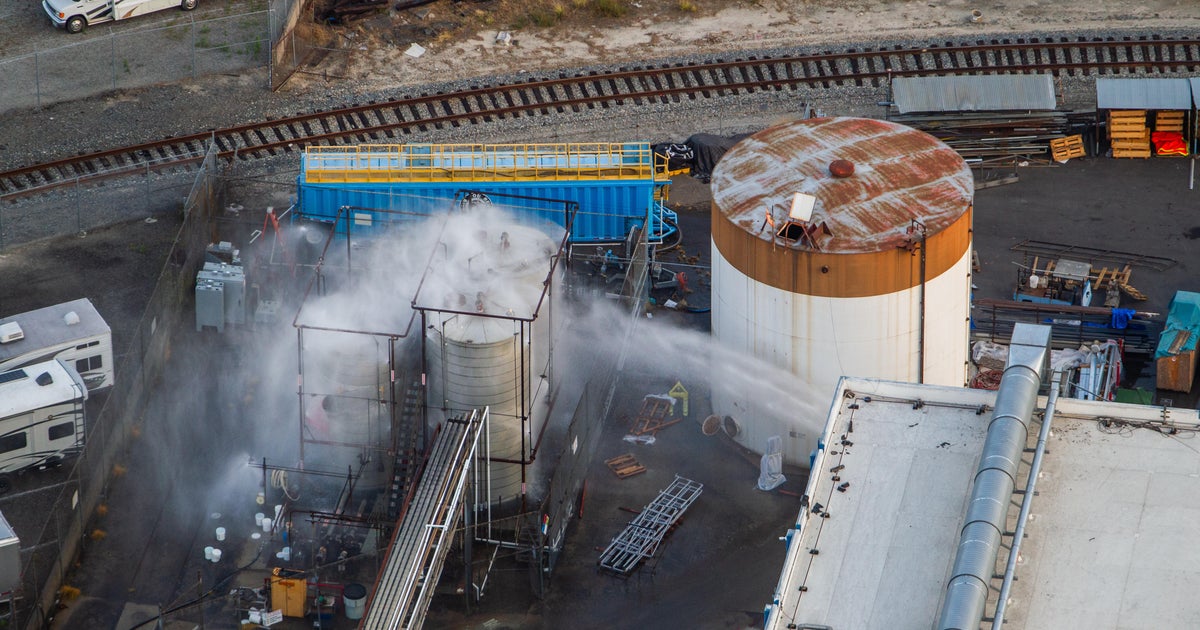
Emergency response operations in Garden Grove, California, remain in a critical state as officials work to stabilize a chemical tank that poses a significant risk of spill or explosion. The ongoing crisis has necessitated the mandatory evacuation of approximately 50,000 residents, as local, state, and federal agencies coordinate to mitigate the threat to public safety. As of Sunday, May 24, 2026, the situation remains fluid, with authorities closely monitoring the integrity of the vessel.
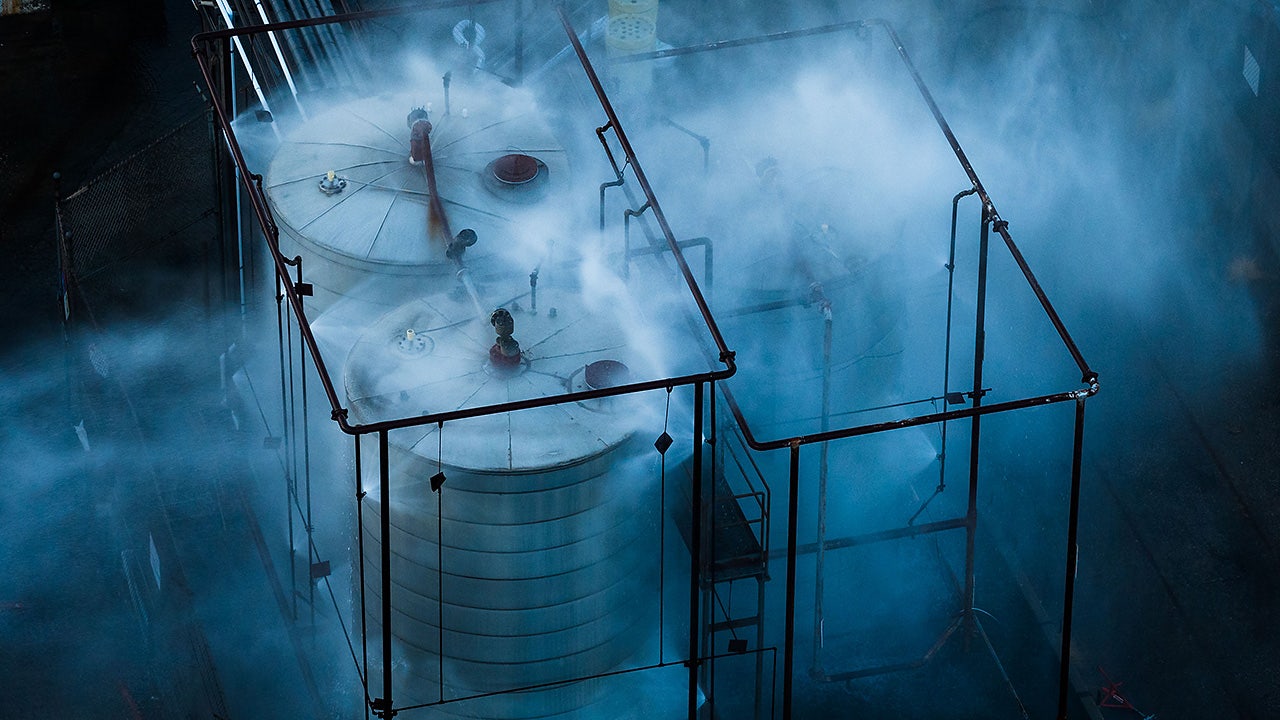
The incident, which has drawn national attention, reached a significant juncture as crews identified a potential crack in the tank. While the development has introduced concerns regarding a possible chemical release, officials have noted that the structural compromise may also serve to relieve internal pressure, potentially reducing the risk of a catastrophic explosion. The multi-agency response is currently focused on assessing this new trajectory and determining the safest course of action to neutralize the hazard.
Governor Gavin Newsom has taken formal steps to bolster the response, submitting an official request to President Donald Trump on Saturday night for an emergency declaration. This action is intended to unlock federal resources through the Federal Emergency Management Agency (FEMA), providing the necessary support for local authorities to manage protective measures and ensure the safety of the displaced population. The request underscores the severity of the threat and the state’s proactive stance in managing large-scale infrastructure emergencies.
Managing the Chemical Threat and Public Safety
The primary concern for incident commanders is the containment of the chemical contents within the tank. The potential for a spill or an explosion has forced a wide-reaching perimeter in Garden Grove, keeping tens of thousands of residents out of their homes. Local officials are emphasizing that the decision to maintain these evacuation orders is based on the volatile nature of the chemical stored within the facility. The unpredictability of the tank’s structural state necessitates a cautious approach, prioritizing the prevention of a wider environmental or public health disaster.
For residents affected by the evacuation, local authorities have established emergency shelters to provide temporary housing and resources. The coordination between city officials and emergency responders has been focused on maintaining order and communication during this period of displacement. Families are urged to monitor official channels for updates regarding the safety of their neighborhoods and the timeline for a potential return. Information regarding shelter locations and emergency aid is being disseminated through the Federal Emergency Management Agency (FEMA) and local government portals, which serve as the primary sources for verified public safety guidance.
The Role of Federal and State Coordination
The involvement of the federal government, requested by Governor Newsom, is a critical component of the ongoing stabilization efforts. By seeking an emergency declaration, the state aims to streamline the deployment of specialized equipment and personnel capable of handling high-risk chemical stabilization. This cooperative effort between the state of California and federal partners is designed to provide the technical expertise required to address the structural integrity of the tank without exacerbating the risk to the surrounding environment.
The process of securing an emergency declaration is a standard administrative procedure for significant disasters, allowing for the rapid mobilization of financial and logistical support. According to the White House, such declarations are intended to assist state and local governments in responding to incidents that exceed their individual capabilities to manage safely. As the situation in Garden Grove continues to evolve, the integration of federal assets remains a cornerstone of the incident management plan.
Next Steps in the Stabilization Process
The immediate focus for technical teams on the ground is the continued monitoring of the tank’s structural status. The crack, which has been identified as a key factor in the current operational strategy, is being analyzed to determine if it will lead to a controlled release or if it requires further intervention to prevent a rupture. Engineers and hazardous materials experts are working around the clock to evaluate the pressure levels and the chemical composition of the tank’s contents.
The next confirmed checkpoint for the public will be the release of further updates from the Orange County emergency management office regarding the potential for residents to return to their homes. These updates will be contingent upon the successful stabilization of the tank and the completion of air quality and safety assessments in the evacuated zones. Residents are encouraged to remain vigilant and follow all directives from local law enforcement and emergency services.
We will continue to track this situation as more information becomes available from official sources. We invite our readers to share their thoughts and stay informed by following our ongoing coverage of this development. Your engagement helps ensure that accurate, life-saving information reaches those who need it most during this challenging time.
Related reading