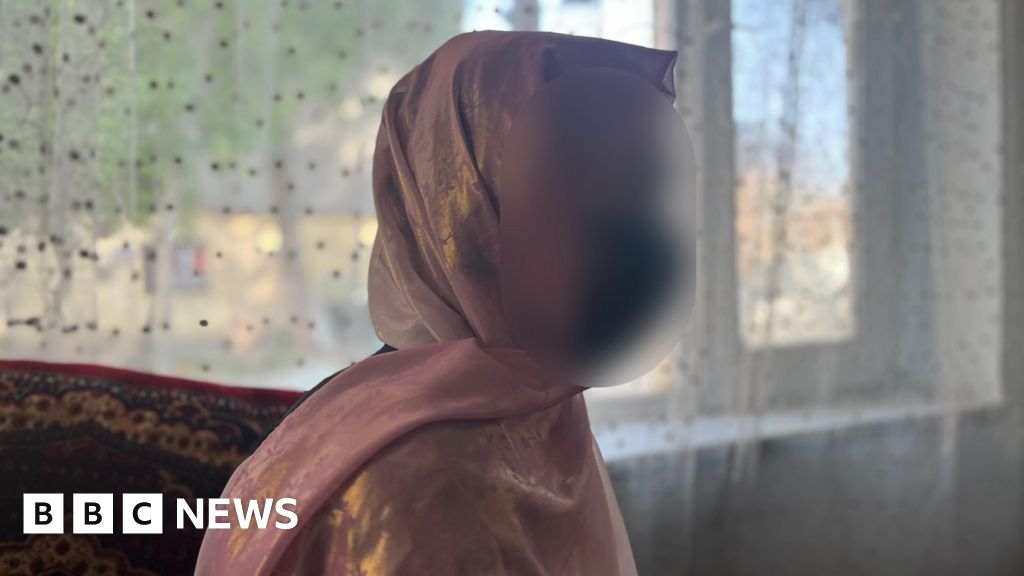
In the evolving landscape of global human rights, the restriction of female access to education remains one of the most pressing challenges of our time. For young women living under restrictive regimes, the systematic removal of educational opportunities has functioned as more than just a policy change. it has served as a catalyst for profound personal crises, forcing many to choose between their fundamental right to learn and the social pressures of early marriage. As international observers continue to monitor these developments, the stories of those who choose to flee, often in desperate circumstances, highlight the human cost of these structural barriers.
The situation in Afghanistan, where girls have been largely barred from secondary and higher education since the Taliban’s return to power in 2021, remains the most prominent example of such policies. According to United Nations Women, the ban has effectively removed over 1.4 million girls from secondary school, creating a generation whose aspirations are being systematically curtailed. For many families, the perceived lack of future prospects for their daughters has led to an increase in child and forced marriages, a trend documented by organizations such as Human Rights Watch, which notes that economic instability and the loss of schooling are primary drivers for these life-altering decisions.
The Intersection of Education and Agency
The decision to flee a home environment—often described by those who undertake it as a last resort—is rarely a linear process. It is frequently the result of a collision between traditional expectations and the modern desire for autonomy. When education is removed as a pathway to professional independence, the pressure to marry often intensifies, as families may view marriage as a form of social or economic security in a volatile environment. For a young woman, escaping this outcome often involves navigating complex social networks, securing resources, and undertaking high-risk travel.
International human rights frameworks, such as the Convention on the Elimination of All Forms of Discrimination Against Women (CEDAW), underscore that education is a prerequisite for the exercise of all other human rights. When a state prohibits girls from attending school, it not only violates an individual’s right to personal development but also perpetuates a cycle of dependency that limits the potential of an entire society. The United Nations Sustainable Development Goal 4 emphasizes that inclusive and equitable quality education is essential for achieving gender equality and empowering all women, and girls.
The Human Cost of Limited Prospects
The psychological impact of being denied an education is profound. Reports from humanitarian workers on the ground suggest that the loss of a school environment—a space traditionally used for socialization, skill acquisition, and community building—leads to increased rates of depression and anxiety among young women. In many cases, the decision to leave is not merely about pursuing a degree in a foreign country; it is an act of reclamation of selfhood.

For those who manage to flee, the journey is fraught with uncertainty. Many face the challenges of navigating asylum systems in host countries, overcoming language barriers, and integrating into unfamiliar educational landscapes. Yet, for many, the risk of the journey is considered secondary to the risk of remaining in a system that views their potential as a threat or an irrelevance.
Global Responses and Future Outlook
The international community’s response to these bans has been varied, ranging from diplomatic pressure to the provision of remote learning initiatives. However, digital education, while valuable, cannot fully replicate the social and developmental benefits of physical schooling. The “digital divide”—the unequal access to technology and reliable internet—means that such solutions often fail to reach those most in need, particularly in rural or impoverished areas.

As we look toward the future, the focus remains on advocating for the reversal of these policies. International bodies and non-governmental organizations continue to call for inclusive educational policies as a baseline for any diplomatic engagement with regimes that restrict the rights of women. The path forward is complex, requiring both immediate humanitarian assistance for those who have already fled and sustained, long-term pressure to ensure that the next generation of girls is not denied the right to their own future.
Key Takeaways on Global Education Barriers
- Systemic Exclusion: Policies that bar girls from school are often linked to increased rates of early and forced marriage.
- Human Rights Violations: The restriction of education is a direct violation of international standards, including those outlined by the UN.
- The Role of Migration: Many young women choose to flee their countries as a means of seeking the educational opportunities denied to them at home.
- Challenges to Remote Learning: While digital tools are a partial solution, they are often inaccessible to the most vulnerable populations.
As of May 2026, the international community continues to monitor the status of educational access in regions affected by such bans. Readers interested in following the latest developments or supporting advocacy efforts can find regular updates through the UNICEF Education portal or by reviewing the latest reports from the Office of the United Nations High Commissioner for Human Rights. We invite our readers to share their perspectives on this critical issue in the comments section below.
