As the conflict in the Middle East reaches a critical juncture this May, questions surrounding the strategic objectives and ultimate outcome of the campaign against Iran have intensified. For observers tracking the situation, the path to the current state of affairs reflects a complex interplay of military maneuvers, diplomatic signaling, and a perceived disconnect between stated goals and operational realities. Understanding why the administration is now navigating a tough conclusion to this military effort requires examining the sequence of events that began with the initial strikes last year.
In June 2025, U.S. And Israeli forces conducted a series of airstrikes against Iranian nuclear infrastructure. The operation, which lasted for 12 days, resulted in significant damage to key facilities, though the full extent of the degradation remains a subject of ongoing debate among international security experts. While some analysts initially viewed the 2025 campaign as a decisive move to curb Iran’s nuclear ambitions, the decision to resume large-scale military operations in 2026 has fundamentally altered the regional landscape.
The current military engagement, which commenced on February 28, 2026, has been characterized by a lack of clearly defined, achievable strategic outcomes. Unlike the limited, targeted approach of the previous year, this escalation has placed the United States in a position where it is now negotiating an exit on terms that many analysts suggest favor the existing Iranian regime’s leverage over Persian Gulf oil transit corridors. This shift has prompted a wider discussion on the nature of executive decision-making and the role of institutional frameworks in managing national security crises.
Strategic Miscalculations and Institutional Challenges
A primary criticism leveled at the current policy approach involves the perceived absence of a coherent endgame. When the administration authorized the use of force in February, the stated rationale centered on preventing Iran from achieving nuclear threshold status. However, the subsequent progression of the war has seen the administration signal a willingness to conclude the conflict under conditions that appear to diverge from its initial, more rigid demands for unconditional surrender.
The management of the national security apparatus has also come under scrutiny. Following the resignation of Mike Waltz as national security adviser on May 1, 2025, the administration shifted the responsibility of that role to Secretary of State Marco Rubio. Critics, including various policy analysts, have argued that consolidating these positions complicates the flow of intelligence and the rigorous vetting of strategic options, particularly as the administration has significantly reduced the staff size and operational scope of the National Security Council (NSC). This consolidation, coupled with the appointment of Pete Hegseth to lead the Department of Defense, has created a decision-making environment that some observers describe as increasingly insulated from traditional diplomatic and military advisory processes.
The Human and Diplomatic Dimension
Beyond the technical military aspects, the war has been marked by a significant gap in the administration’s approach to domestic unrest within Iran. Following reports of widespread protests against the Iranian government, the administration issued rhetoric supporting the demonstrators, with a promise of “Help is on the way” delivered on January 13, 2026. However, military engagement did not begin until after the suppression of these internal movements was well underway, leading to questions regarding the timing and efficacy of the administration’s stated commitment to human rights and democratic transition.

Throughout the conflict, there has been little evidence of active coordination with Iranian dissident groups. By prioritizing a direct, top-down military approach over the cultivation of local partnerships or a broader diplomatic strategy, the administration effectively narrowed its own options. This has left the United States in a position where it lacks the leverage to influence the political future of the country, despite the significant military assets deployed over the past several months.
The Road to a Negotiated Conclusion
As of late May 2026, the administration has been signaling a desire to bring the conflict to a close. The Iranian leadership, meanwhile, has demonstrated a capacity to absorb the impact of the U.S. Military strikes and has successfully maintained its position in ongoing negotiations. For the United States, this represents a significant shift from the initial goals set out earlier in the year. The administration’s current focus on exiting the conflict has been interpreted by many in the international community as a realization that the initial “maximum pressure” strategy could not be sustained in the face of domestic political realities and regional resistance.
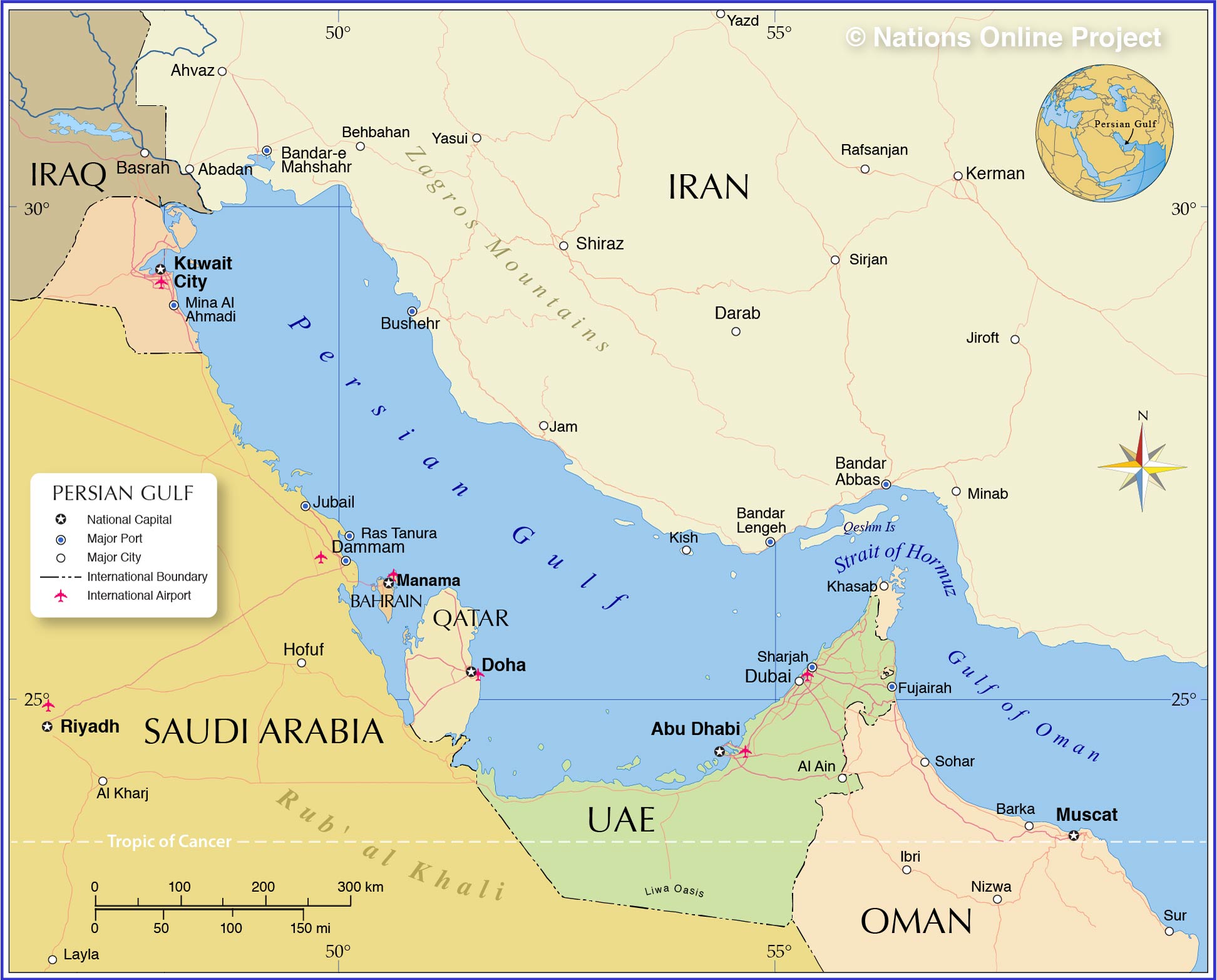
The long-term impact of this war remains to be seen, particularly concerning the stability of Persian Gulf oil markets and the future of regional alliances. As the administration prepares to frame the conclusion of the war to the American public, it faces the challenge of reconciling the promised outcomes with the reality of a negotiated exit. The coming weeks will likely see further developments as the final terms of the cessation of hostilities are formalized and the full implications of the 2026 conflict are analyzed by policymakers and the public alike.
World Today Journal will continue to monitor the situation as further statements from the Department of State and the Department of Defense are expected in the coming days. We encourage our readers to share their analysis and engage in the discussion below as we track these evolving geopolitical developments.