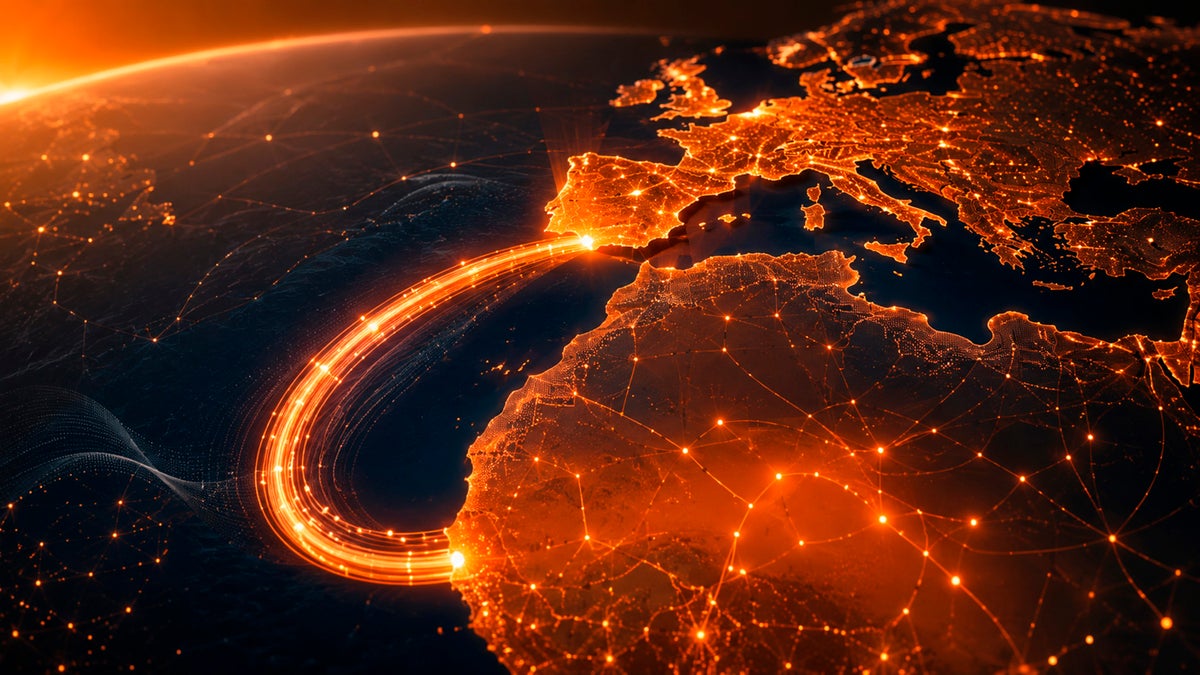
In the rapidly evolving landscape of global telecommunications, the physical architecture of the internet is often overlooked, yet it remains the most critical foundation for digital sovereignty and economic growth. A major shift in the connectivity corridor between Europe and Africa is currently underway, as a new consortium moves to establish a more resilient and diversified digital bridge across the Atlantic.
Orange has officially entered into a memorandum of understanding (MoU) to spearhead the Via Africa project, a massive submarine cable initiative designed to overhaul the way data travels between the European continent and the African coast. This project aims to address a long-standing vulnerability in global internet architecture: the reliance on a limited number of heavily saturated and potentially fragile subsea routes.
The Via Africa project is not merely a capacity upgrade; it is a strategic diversification of the digital supply chain. By establishing a new, high-capacity route along the Atlantic coast, the consortium seeks to provide much-needed redundancy, ensuring that internet traffic can bypass traditional bottlenecks and remain stable even during regional outages or infrastructure failures.
A Strategic Atlantic Corridor: Connecting Continents
The technical scope of the Via Africa cable is ambitious, spanning thousands of kilometers of undersea terrain. The system is designed to create a seamless digital link, starting from major European hubs and extending deep into the southern reaches of the African continent. According to the project’s framework, the cable will establish landing points in the United Kingdom, France and Portugal, providing a robust gateway into the European digital economy.
From Europe, the route follows the Atlantic coastline, making strategic stops that are vital to the digital transformation of West Africa. The planned landing points include the Canary Islands, Mauritania, Senegal, Guinea, Côte d’Ivoire, and Nigeria. This extensive network of stops ensures that the cable provides more than just transit; it offers direct, high-speed access to some of the fastest-growing digital markets in the world.
The journey concludes in South Africa, effectively linking the northern and southern hemispheres through a dedicated, high-performance subsea fiber optic system. This route is specifically engineered to provide an alternative to existing corridors, which are often subject to congestion or geopolitical vulnerabilities.
The Consortium Model: Shared Infrastructure and Local Expertise
Recognizing that the scale and complexity of such an undertaking require a multi-stakeholder approach, the Via Africa project is being developed as a consortium. This model allows for shared investment, distributed risk, and, perhaps most importantly, the integration of local expertise and regional interests into the design and operation of the system.
In addition to Orange, the consortium includes a diverse group of telecommunications players and regional specialists, including:
- Canalink
- GUILAB
- International Mauritania Telecom
- Orange Côte d’Ivoire
- Sonatel
- Silverlinks
This collaborative structure ensures that the partners are not just passive financiers but active participants in the design, deployment, and long-term exploitation of the system. By involving local operators like Sonatel and International Mauritania Telecom, the project ensures that the infrastructure is tailored to the specific needs and regulatory environments of the countries it serves.
Why Digital Resilience Matters: Beyond Bandwidth
To the average consumer, the news of a new cable might seem like a technicality. However, in the context of modern geopolitics and global economics, the Via Africa submarine cable represents a significant step toward digital autonomy. Currently, much of the world’s internet traffic relies on a handful of major “corridors.” When a single cable is damaged—whether by maritime accidents, natural disasters, or intentional interference—entire regions can face prolonged outages.
The Via Africa project addresses this through three primary pillars:
1. Redundancy and Reliability
By adding a new route, the consortium provides a “safety valve” for internet traffic. If a primary cable in the Mediterranean or a different Atlantic route fails, the Via Africa system can absorb the displaced traffic, maintaining connectivity for critical services, financial institutions, and government operations.

2. Reducing Latency and Congestion
As data consumption explodes—driven by AI, cloud computing, and streaming—existing cables are reaching their limits. A new, high-capacity route reduces the “traffic jams” of the digital world, lowering latency (the delay in data transmission) and providing a smoother experience for users across both continents.
3. Economic Empowerment
Reliable, high-speed internet is a prerequisite for the modern digital economy. By providing stable connectivity to West African nations, the project facilitates everything from remote education and telemedicine to the growth of local tech startups and fintech ecosystems.
Deep Dive: The Vital Role of Submarine Fiber Optics
Submarine cables are the unsung heroes of the digital age. While satellite internet has its place, particularly in extremely remote areas, the vast majority of transcontinental data—over 95%—is carried by fiber optic cables resting on the ocean floor. These cables use pulses of light sent through strands of glass, some as thin as a human hair, to transmit massive amounts of data at nearly the speed of light.

The deployment of such infrastructure is a monumental engineering feat. It requires specialized vessels capable of navigating deep-sea trenches, precision robotics to lay the cable, and sophisticated landing stations to interface the underwater lines with terrestrial networks. For a project like Via Africa, the challenge is compounded by the need to navigate diverse maritime jurisdictions and varied seabed topographies along the African coast.
Frequently Asked Questions
What is the main goal of the Via Africa project?
The primary goal is to strengthen the digital connection between Europe and Africa by creating a new, resilient submarine cable route that reduces dependency on existing, often congested, internet corridors.
Which countries will be directly connected?
The cable will connect several European nations (UK, France, Portugal) and various African nations, including the Canary Islands, Mauritania, Senegal, Guinea, Côte d’Ivoire, Nigeria, and South Africa.
Who is building this cable?
It is being built by a consortium of telecommunications companies, including Orange, Canalink, GUILAB, International Mauritania Telecom, Orange Côte d’Ivoire, Sonatel, and Silverlinks.
How does this benefit the average user?
Users can expect more reliable internet connections and potentially higher speeds due to reduced network congestion and the addition of a new, high-capacity data route.
As the Via Africa consortium moves from the memorandum of understanding phase into active development, the global tech community will be watching closely. The successful deployment of this cable could set a new standard for how international telecommunications consortia approach infrastructure in emerging markets.
The next major milestone for the project will be the transition from the planning and MoU phase to the formal technical design and environmental impact assessment stages.
What do you think about this move toward more diversified digital infrastructure? Does it change your view on global connectivity resilience? Let us know in the comments below and share this article with your network.
Related reading