orban Defies EU, Reaffirms Russian Energy Ties Amidst Ukraine Conflict – A Deep Dive into Hungary’s Unique Position
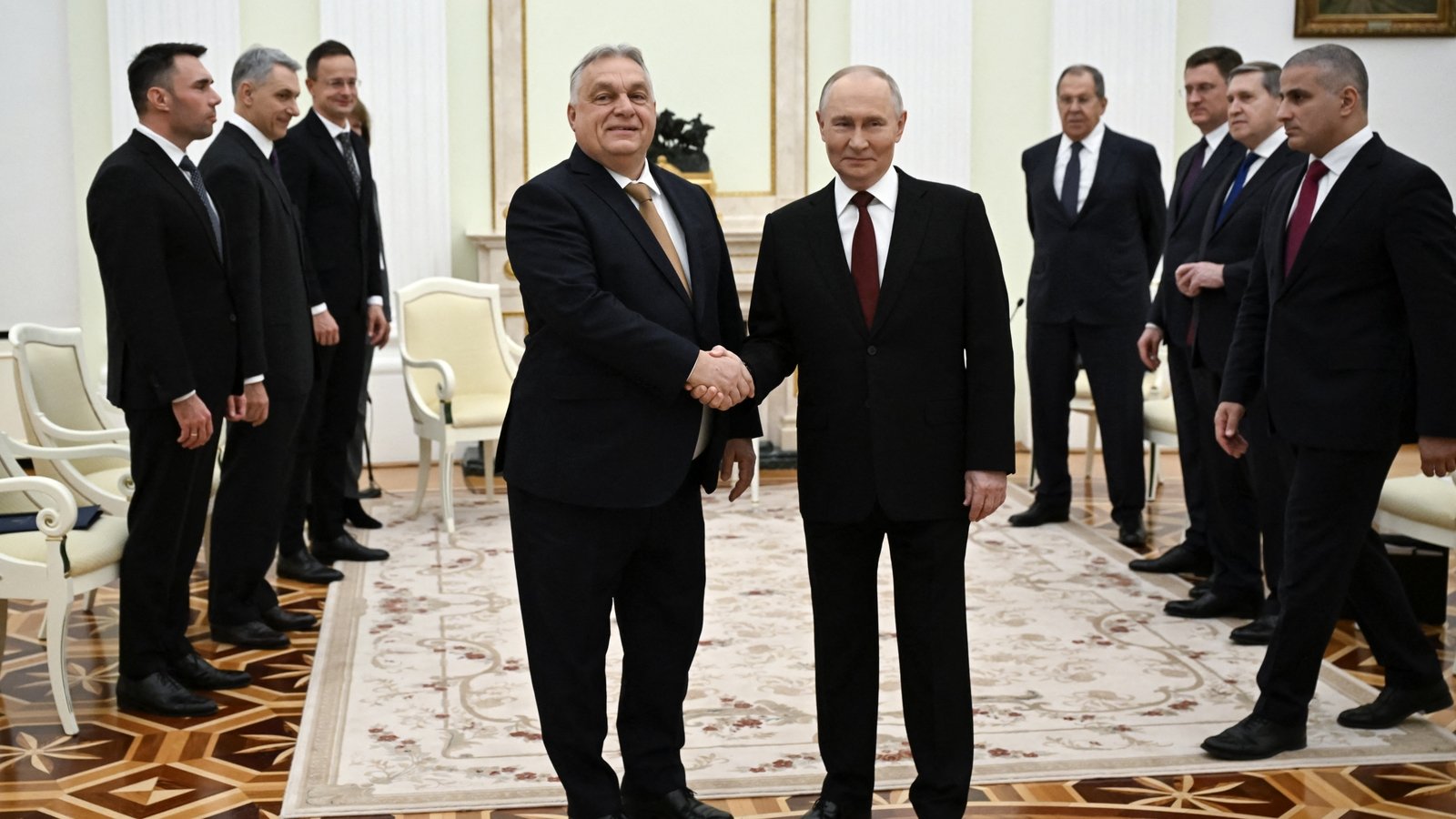
Hungarian Prime Minister Viktor Orbán has once again positioned himself as a dissenting voice within the European Union, publicly pledging to continue purchasing Russian oil during a recent meeting with Vladimir Putin in Moscow. This move, occurring against the backdrop of intense diplomatic efforts to resolve the ongoing conflict in Ukraine, underscores Hungary’s complex and often controversial relationship with Russia and raises significant questions about European unity. As a long-time observer of European politics and energy security,I’ll break down the implications of this decision,the ancient context,and what it signals for the future of EU-Russia relations.
A Consistent Course: Orbán’s Relationship with the Kremlin
This isn’t a sudden deviation. Orbán,in power since 2010,has consistently maintained ties with the Kremlin throughout the war in Ukraine,a stance that has drawn criticism both within Hungary and from its EU partners. This is his fourth meeting with Putin since the full-scale invasion began in February 2022, demonstrating a willingness to engage with Moscow even as most of the West has sought to isolate the Russian leadership. Crucially, Orbán has also been a vocal critic of Ukraine, further distancing hungary from the prevailing European consensus.
The core of this relationship lies in energy security. Hungary is heavily reliant on Russian energy imports, notably oil and gas. During the meeting, orbán explicitly stated that Russian energy supplies “form the basis of Hungary’s energy supply now and will remain so in the future,” emphasizing the “reliability and predictability” of these supplies. He even signaled his intent to challenge the EU in court over its efforts to phase out Russian gas, highlighting the depth of his commitment.
Why Hungary’s Dependence Matters – and Why It’s Not Easily Broken
understanding Hungary’s dependence is key. Unlike many other European nations, Hungary lacks diverse energy supply routes and has historically relied on long-term contracts with Russia’s Gazprom.Developing option infrastructure – pipelines, LNG terminals, and renewable energy sources – takes time and significant investment.Orbán argues that abruptly cutting off Russian supplies would cripple the Hungarian economy and lead to soaring energy prices for consumers. He’s repeatedly pointed to Hungary having the lowest energy prices in Europe as evidence of the benefits of this approach.
However, this argument is not without its critics. Many argue that Hungary’s continued reliance on Russian energy provides Moscow with a crucial revenue stream, effectively funding the war effort in Ukraine. Furthermore, it creates a strategic vulnerability that Russia could exploit.
Brussels’ Fury and the Search for Alternatives
Unsurprisingly, Orbán’s trip has provoked outrage in Brussels.The EU has been actively working to reduce its collective dependence on Russian energy as part of its sanctions regime and to diminish Moscow’s economic leverage. This move directly undermines those efforts. German politician Friedrich Merz succinctly captured the sentiment, stating Orbán was traveling “without a European mandate and without any coordination with us.”
The EU is now facing a complex challenge: how to maintain unity while respecting the sovereign energy policies of its member states. The situation highlights the inherent tensions within the EU – the balance between collective goals and national interests. While Brussels pushes for diversification and renewable energy, individual nations like Hungary prioritize short-term economic concerns and established supply chains.
The US Factor: A Waiver and a Potential Deal?
The situation is further complex by the involvement of the United States.Orbán recently secured a one-year exemption from sanctions for buying Russian oil and gas during a trip to Washington, D.C. – though the official waiver has yet to be published. this suggests a degree of understanding, or at least pragmatism, from the US management, perhaps recognizing Hungary’s unique vulnerabilities.
Though, the broader US strategy is evolving.Former President Trump’s envoy,Steve Witkoff,is scheduled to travel to Moscow next week to discuss a revised US plan to end the Ukraine war. Initial drafts of this plan reportedly leaned heavily towards accommodating Putin’s demands, but have since been reworked following feedback from Kyiv. This signals a potential willingness to engage in direct negotiations, but also a commitment to supporting Ukraine’s sovereignty.
Orbán’s Domestic Considerations and Potential Mediation Role
Orbán’s actions are also viewed through the lens of domestic politics. Facing re-election next year, he’s presenting himself as a protector of Hungarian interests, ensuring affordable energy for his citizens. He’s also positioning hungary as a potential mediator in the conflict, offering Budapest as a venue for peace negotiations.
While the prospect