Orcas: The Ocean’s Apex Predators and Their Shocking Hunting Tactics
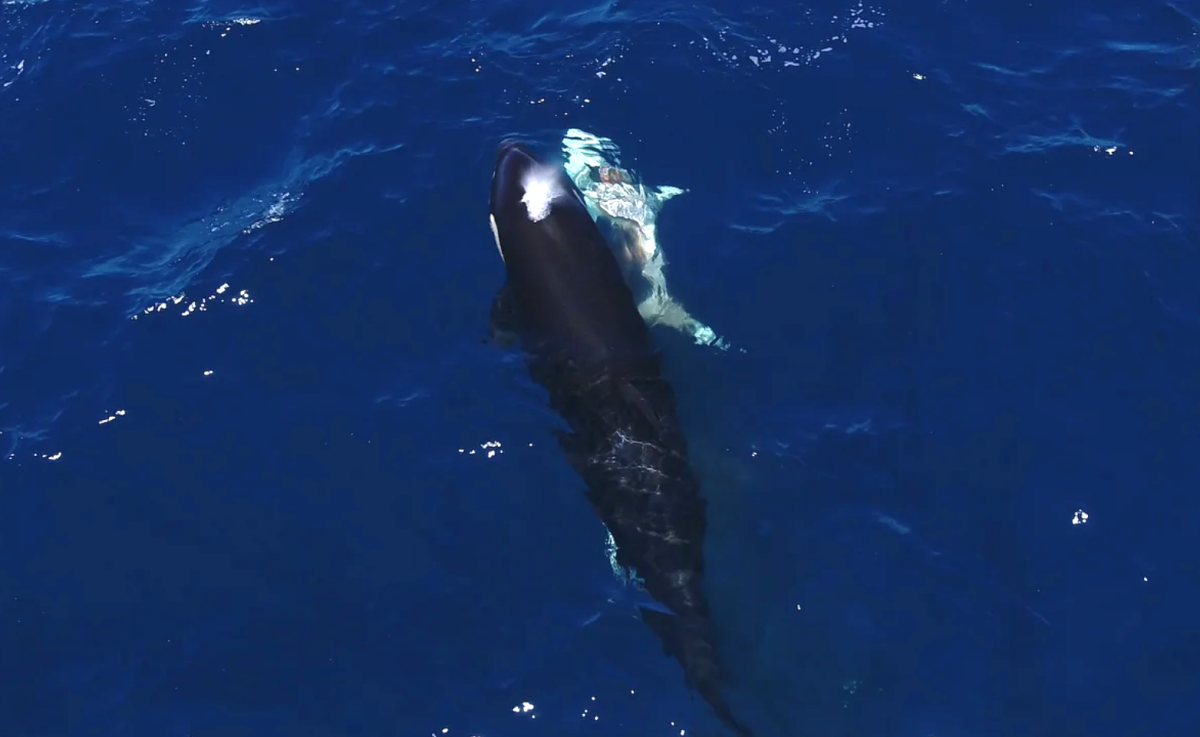
For decades, the orca – frequently enough called the “killer whale” - has held a fearsome reputation as one of the ocean’s most powerful predators. But recent discoveries reveal a level of intelligence and predatory sophistication that’s truly remarkable. New footage, coupled with groundbreaking research, documents orcas actively hunting and consuming the livers of juvenile great white sharks, showcasing a targeted attack previously unseen.This isn’t just about survival; it’s a presentation of learned behavior and strategic hunting prowess.
The rise of Orca Predation on Great Whites
Traditionally, great white sharks were considered apex predators with few natural enemies.However, orcas represent a significant threat, and the dynamic between these two giants is shifting. A recent study published in Frontiers in Marine Science confirms that orcas are not only capable of subduing adult great whites, but they specifically target their energy-rich livers.
this isn’t accidental.The footage, captured in the Gulf of California, reveals a coordinated attack. Orcas work as a team to flip sharks onto their backs, inducing “tonic immobility.” This essentially disorients the shark, leaving it defenseless. Then, the orcas precisely target and consume the liver.
Why the liver? A Nutritional Powerhouse
you might be wondering why the liver is the target. it’s a highly nutritious organ, packed with fats and essential nutrients.For orcas, this represents a concentrated energy source, crucial for sustaining their active lifestyle and supporting their complex social structures.
Here’s a breakdown of why this behavior is so significant:
* Targeted Nutrition: the liver provides a ample caloric intake.
* Strategic Efficiency: Focusing on the liver minimizes risk during the hunt.
* Learned Behavior: This isn’t instinct; it’s a technique passed down through generations.
Marine biologist Erick Higuera Rivas, leader of the study, emphasizes this point: “This behavior is a testament to orcas’ advanced intelligence, strategic thinking, and sophisticated social learning.” The fact that these hunting techniques are culturally transmitted within pods highlights their remarkable cognitive abilities.
Beyond the Hunt: Orca Intelligence and Social complexity
This isn’t the first time orcas have captured public attention with their unusual behavior. Recent incidents demonstrate a growing awareness of their intelligence and curiosity.
Consider these examples:
* Surfing with Humans: In New Zealand,a pod of orcas playfully interacted with surfers,even sharing waves. Local surfer Te Waiotu Fairlie described the encounter as “the craziest thing ever,” highlighting the orcas’ proximity and seemingly non-aggressive curiosity.
* Boat Interactions: There have been documented cases of orcas interacting with – and even damaging – boats off the coast of Portugal. While the reasons behind these interactions are still being investigated, they underscore the orcas’ intelligence and willingness to investigate their environment.
These interactions, while interesting, also raise questions about the future of human-orca coexistence.
What Does This mean for the Ocean Ecosystem?
The increasing predation of great white sharks by orcas could have significant implications for the marine ecosystem. A decline in the great white shark population could disrupt the balance of the food web, potentially leading to cascading effects throughout the ocean.
Here’s what you need to consider:
* Shifting Predator Dynamics: Orcas are reshaping the predator-prey relationships in certain regions.
* potential Ecosystem Impacts: Changes in shark populations can affect prey species and overall biodiversity.
* Ongoing Research: Scientists are actively monitoring these interactions to understand the long-term consequences.
Staying Informed and Respecting Marine Life
The recent discoveries regarding orca behavior serve as a powerful reminder of the intelligence and complexity of marine life. as we continue to learn more about these magnificent creatures, it’s crucial to prioritize conservation efforts and promote responsible interactions.
You can contribute by:
* Supporting Marine Research: Donate to organizations dedicated to studying and protecting marine ecosystems.
* Practicing Responsible Tourism: Choose eco-amiable tour operators that prioritize animal welfare.
* Reducing Your Environmental Impact: Minimize your carbon footprint and reduce plastic pollution.
The ocean remains a realm of mystery, and the story of the orca is far from fully written. But one thing is clear: these are not simply “killer whales.” They are intelligent, adaptable
Related reading