
Could oregon Led the Way to Global Healthcare in the US?
Oregon is once again at the forefront of a national debate: how to ensure healthcare access for everyone. The state’s innovative approaches and ongoing challenges offer a compelling case study for the potential – and pitfalls – of universal healthcare models in the United States. Let’s explore what’s happening in Oregon and what it could mean for the future of healthcare nationwide.
A History of Innovation
oregon has a long history of experimenting with healthcare reform.In the early 1990s, the state implemented a groundbreaking system that prioritized healthcare services based on their effectiveness. this initiative, tho controversial, sparked a national conversation about healthcare rationing and value-based care.
More recently, Oregon has been aggressively expanding Medicaid under the Affordable Care Act. This expansion, coupled with state-level subsidies, has significantly reduced the number of uninsured residents. However, challenges remain, notably in rural areas and for specific populations.
The Current Landscape in Oregon
Currently, Oregon operates a hybrid healthcare system.It combines customary employer-sponsored insurance, Medicare, Medicaid (known as the Oregon Health Plan), and individual market plans. A key component of Oregon’s strategy is its focus on coordinated care organizations (CCOs).
These CCOs are networks of healthcare providers that work together to deliver complete, integrated care to Medicaid recipients. They are incentivized to improve health outcomes and control costs. Here’s what makes them unique:
Focus on Prevention: CCOs prioritize preventative care to keep people healthy and out of the hospital.
Integrated Care: They coordinate physical, mental, and behavioral health services. Local Control: CCOs are locally governed,allowing them to tailor services to the specific needs of their communities.
The Push for Universal Healthcare
Despite these efforts, significant gaps in coverage persist. Many Oregonians still struggle to afford healthcare, even with insurance. This has fueled a growing movement to establish a universal healthcare system in the state.Several proposals have been floated, including:
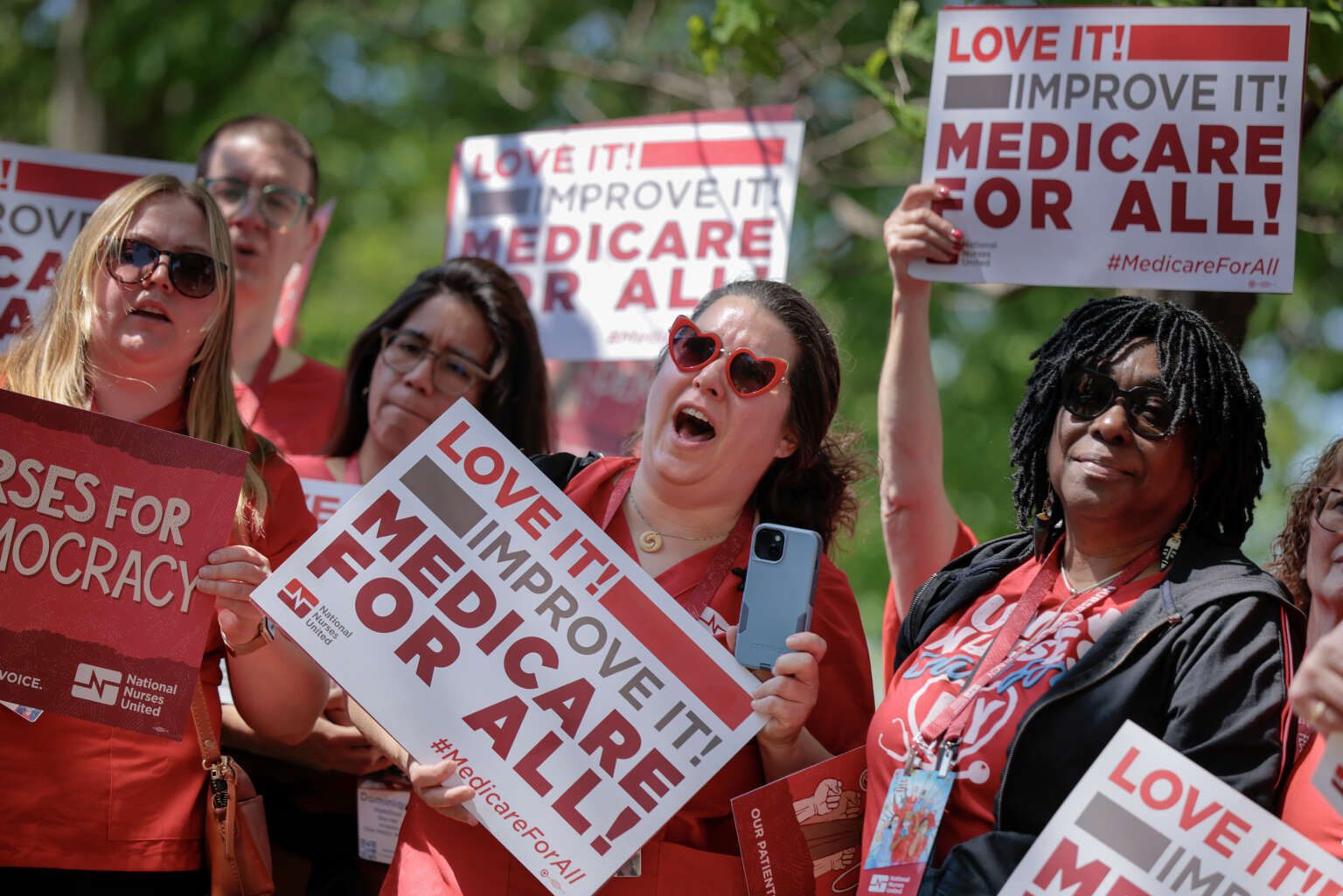
Single-Payer System: A “Medicare for All” style system where the state would be the primary insurer.
Public Option: Creating a goverment-run insurance plan that would compete with private insurers.
All-Payer Rate Setting: Establishing a single set of payment rates for all healthcare services.
Each of these options has its own set of advantages and disadvantages. A single-payer system could simplify management and control costs, but it could also disrupt the existing healthcare market. A public option could increase competition and lower premiums, but it might not go far enough to achieve universal coverage.
challenges and Considerations
Implementing universal healthcare in Oregon - or anywhere in the US – is not without its challenges. Here are some key hurdles:
Cost: Funding a universal healthcare system would require significant investment. Political Opposition: Powerful stakeholders, such as insurance companies and healthcare providers, are likely to resist changes to the status quo.
Workforce Shortages: Oregon, like many states, faces a shortage of healthcare professionals.
Rural access: Ensuring access to care in rural areas remains a major challenge.
I’ve found that addressing these challenges requires a collaborative approach. It involves engaging all stakeholders in a constructive dialogue and finding common ground.
What Oregon Can Teach the Nation
Oregon’s experience offers valuable lessons for the national healthcare debate. It demonstrates that:
Innovation is absolutely possible: States can be laboratories for healthcare reform.
Coordinated Care Works: CCOs show the potential of integrated, preventative care.
* Universal Coverage is Achievable: With political will and careful planning, universal healthcare is within reach.
Here’s what works best: a phased approach. Starting with incremental reforms, like expanding Medicaid and strengthening CCOs





