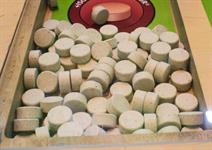
The movement towards organic fertilization is gaining momentum globally, driven by increasing environmental awareness and a desire for more sustainable agricultural practices. While the trend isn’t new, innovations in organic fertilizer technology, including slow-release options, are attracting attention from both professional growers and home gardeners. These developments aim to address some of the traditional drawbacks of organic fertilizers, such as slower nutrient release and potential inconsistencies in composition. The focus on soil health and minimizing environmental impact is reshaping the agricultural landscape, and new products are continually being introduced to meet evolving demands.
The benefits of organic fertilizers extend beyond simply providing nutrients to plants. Unlike their synthetic counterparts, organic fertilizers contribute to improved soil structure, enhanced water retention, and a thriving soil microbiome. This complex ecosystem of microorganisms plays a crucial role in nutrient cycling, disease suppression, and overall plant health. A healthy soil is more resilient to environmental stresses, such as drought and erosion, and can sequester carbon, mitigating climate change. The leverage of organic fertilizers is increasingly seen as a cornerstone of regenerative agriculture, a holistic approach to farming that prioritizes soil health and ecosystem services. Organic fertilizers improve soil fertility and promote healthy plant development without disrupting the ecological balance.
What is Organic Fertilizer and Why the Shift?
Organic fertilizer is derived from natural, organic materials – essentially anything that was once living. This includes plant residues, animal manures, compost, and mineral sources like rock phosphate and greensand. The key distinction between organic and chemical fertilizers lies in their composition and environmental impact. Chemical fertilizers are manufactured using synthetic processes and typically contain concentrated amounts of nitrogen, phosphorus, and potassium (NPK). While effective in providing readily available nutrients, they can contribute to soil degradation, water pollution, and greenhouse gas emissions. Mineral fertilizers can be replaced with organic options like horn shavings and plant extracts.
The shift towards organic fertilizers is driven by several factors. Consumers are increasingly demanding sustainably produced food, and organic farming practices are often seen as more environmentally responsible. Farmers are too recognizing the long-term benefits of building healthy soils, which can reduce their reliance on external inputs and improve the resilience of their farms. Regulations regarding fertilizer use are becoming stricter in many regions, encouraging the adoption of more sustainable practices. The European Union, for example, has implemented policies aimed at reducing nutrient runoff and promoting the use of organic fertilizers.
Types of Organic Fertilizers
The range of organic fertilizer options is surprisingly diverse. Here’s a breakdown of some common types:
- Animal Manures: Cow, chicken, horse, and sheep manure are all valuable sources of nutrients. However, it’s crucial to compost manure properly before application to kill pathogens and reduce odor.
- Compost: Decomposed organic matter, such as food scraps, yard waste, and paper, creates a nutrient-rich soil amendment. Compost improves soil structure and provides a slow-release source of nutrients.
- Green Manures: Cover crops, such as clover and rye, are grown specifically to be incorporated into the soil, adding organic matter and nutrients.
- Plant-Based Fertilizers: These include seaweed extracts, alfalfa meal, and soybean meal, which provide a range of nutrients and trace minerals.
- Mineral Fertilizers: Rock phosphate, greensand, and bone meal are naturally occurring mineral sources that provide phosphorus, potassium, and calcium.
- Biofertilizers: These utilize living microorganisms to promote plant growth. Examples include nitrogen-fixing bacteria and mycorrhizal fungi.
Recent innovations are focusing on creating more efficient and user-friendly organic fertilizer products. Slow-release formulations, for example, encapsulate nutrients in a biodegradable coating, allowing them to be released gradually over time. This reduces the risk of nutrient leaching and provides a more consistent supply of nutrients to plants. Granular organic fertilizers are also becoming more popular, as they are easier to apply than liquid or powdered forms.
Addressing the Challenges of Organic Fertilization
While organic fertilizers offer numerous benefits, they also present some challenges. Nutrient release can be slower and less predictable than with chemical fertilizers, requiring careful monitoring and adjustment. The nutrient content of organic fertilizers can also vary depending on the source material and processing methods. Organic fertilizers can be more expensive than chemical fertilizers, particularly for large-scale agricultural operations.
However, these challenges are being addressed through ongoing research and development. Precision agriculture techniques, such as soil testing and nutrient mapping, can help farmers optimize fertilizer application rates. Improved composting and processing methods can enhance the nutrient content and consistency of organic fertilizers. And as demand for organic products continues to grow, economies of scale are likely to drive down the cost of organic fertilizers.
The Role of IPM and Integrated Approaches
Integrated Pest Management (IPM) is increasingly being combined with organic fertilization practices to create a holistic approach to plant health. IPM emphasizes preventative measures, such as selecting disease-resistant varieties and promoting beneficial insects, to minimize the need for pesticides. Athena IPM is an example of a complete pest control product that kills many soft-bodied insects and molds upon contact. Healthy, well-nourished plants are naturally more resistant to pests and diseases, reducing the reliance on chemical interventions. This synergistic approach maximizes plant health while minimizing environmental impact.
The Future of Organic Fertilizers
The future of organic fertilizers is bright. Ongoing research is exploring new sources of organic matter, such as insect frass (insect excrement) and food waste streams. Advances in biotechnology are leading to the development of more effective biofertilizers. And the growing demand for sustainable agriculture is driving innovation and investment in the organic fertilizer industry.
The trend towards organic fertilization is not simply a return to traditional farming practices; it’s a forward-looking approach that recognizes the interconnectedness of soil health, plant health, and environmental sustainability. As we strive to create a more resilient and sustainable food system, organic fertilizers will undoubtedly play an increasingly important role.
Key Takeaways
- Organic fertilizers improve soil health, enhance water retention, and support a thriving soil microbiome.
- The shift towards organic fertilization is driven by consumer demand, environmental concerns, and stricter regulations.
- A wide range of organic fertilizer options are available, including animal manures, compost, green manures, and mineral sources.
- Challenges associated with organic fertilization, such as slower nutrient release and higher costs, are being addressed through ongoing research and innovation.
- Integrated Pest Management (IPM) complements organic fertilization, creating a holistic approach to plant health.
The continued development and adoption of organic fertilizers represent a significant step towards a more sustainable and resilient agricultural future. Further research and investment in this area are crucial to meeting the growing global demand for food while protecting our planet. The next key development to watch will be the results of ongoing trials evaluating the long-term impacts of various organic fertilizer formulations on soil health and crop yields, expected to be published in late 2026.
What are your experiences with organic fertilizers? Share your thoughts and questions in the comments below.
Worth a look