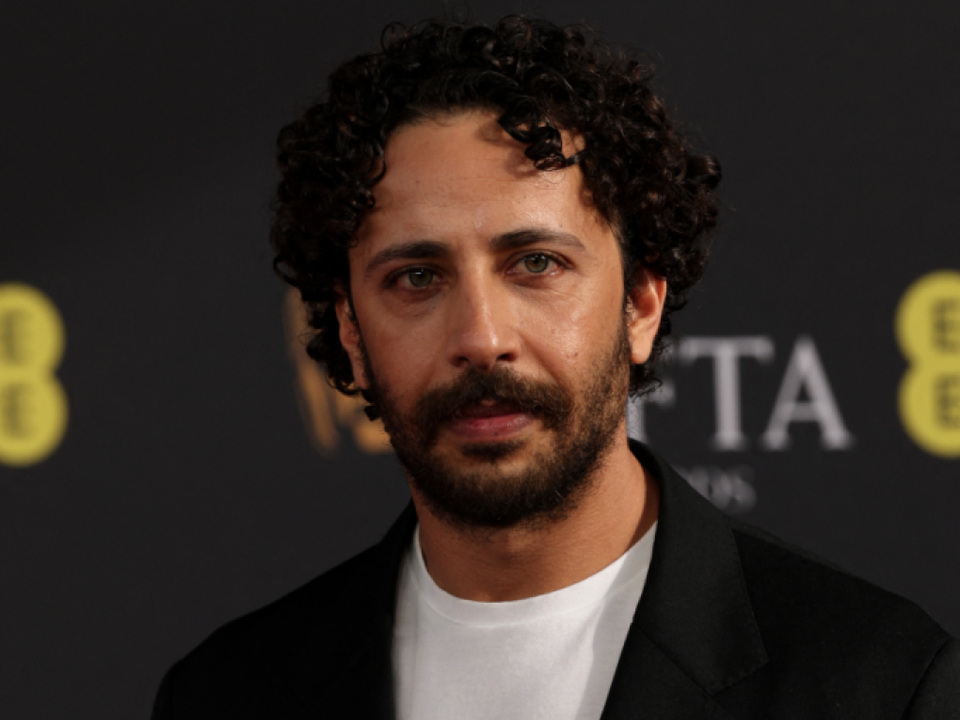
Palestinian Actor Motaz Malhees Barred from Oscars Amidst Ongoing Travel Ban
Los Angeles, CA – Palestinian actor Motaz Malhees will be unable to attend this weekend’s Academy Awards ceremony despite his film, “The Voice of Hind Rajab,” being nominated for Best International Feature Film. The impediment to his travel stems from a travel ban imposed by the Trump administration, preventing him from entering the United States due to his Palestinian citizenship. The news, confirmed by Malhees via Instagram on Friday, casts a shadow over the film’s recognition and highlights the continuing impact of restrictive travel policies on artists and cultural exchange. The 98th Academy Awards are scheduled to take place on Sunday, March 15, 2026, at the Dolby Theatre in Hollywood.
“The Voice of Hind Rajab” is a poignant and critically acclaimed film centered around the tragic death of five-year-aged Hind Rajab, a Palestinian girl killed by Israeli forces in Gaza in January 2024. The film draws inspiration from a harrowing incident where Hind, along with five family members and two paramedics attempting to reach her, were killed by Israeli fire. The film’s nomination itself is a significant achievement, bringing a story of profound loss and the realities of life in Gaza to a global audience. Malhees plays a central role as a call center operator striving to assist Hind during the crisis.
The Trump Administration’s Travel Ban and its Lingering Effects
The travel ban preventing Malhees’ attendance is rooted in a proclamation issued in December 2023 by then-President Donald Trump. The proclamation aimed to “fully restrict and limit the entry of individuals using travel documents issued or endorsed by the Palestinian Authority.” As reported by the South China Morning Post, the ban effectively bars individuals with Palestinian Authority-issued travel documents from entering the U.S. The policy has been widely criticized by human rights organizations and advocates for Palestinian rights, who argue it unfairly targets and discriminates against Palestinian citizens.
Malhees expressed his disappointment on Instagram, stating, “I am not allowed to enter the United States because of my Palestinian citizenship,” and adding, “it hurts” that he will be unable to attend the Oscars. The actor’s inability to participate in the celebration of his film’s success underscores the personal cost of political restrictions on artistic expression and cultural participation. The situation also raises questions about the inclusivity of international events like the Oscars and the barriers faced by artists from conflict zones.
The Story Behind “The Voice of Hind Rajab”
“The Voice of Hind Rajab” is not merely a fictional narrative; it is deeply rooted in a real and tragic event. On January 10, 2024, Hind Rajab, along with her mother, father, brother, and aunt, were killed in Gaza during intense Israeli bombardment. Hind and her family were traveling in a car when it was struck by a missile. Adding to the tragedy, two paramedics from the Palestinian Red Crescent Society who attempted to reach Hind and provide medical assistance were also killed by Israeli fire. Reuters reports that the film powerfully portrays the desperation and loss experienced by those caught in the conflict.
Israel has stated that the incident is currently under investigation. However, details surrounding the circumstances of the deaths remain contested and have drawn international scrutiny. The film’s nomination for an Oscar has brought renewed attention to the event and the broader humanitarian crisis in Gaza. The film’s director and producers have expressed hope that the nomination will serve as a platform to raise awareness about the plight of Palestinians and advocate for peace.
US Government Response and Ongoing Concerns
As of Saturday, March 14, 2026, the U.S. State Department has not issued a formal response to requests for comment regarding Malhees’ situation. This silence has fueled criticism from advocacy groups who argue that the Biden administration has not done enough to address the discriminatory impact of the Trump-era travel ban. While the Biden administration has reversed some of Trump’s most controversial immigration policies, the restrictions targeting Palestinian Authority-issued documents remain in place.
The ongoing ban raises broader concerns about the U.S.’s commitment to freedom of expression and cultural exchange. Critics argue that preventing artists like Malhees from participating in international events sends a damaging message and undermines the values that the Oscars are meant to represent. The situation also highlights the complex intersection of politics, art, and human rights, and the challenges faced by individuals navigating these intersecting spheres.
What’s Next?
The Academy Awards ceremony will proceed on Sunday, March 15, 2026, with “The Voice of Hind Rajab” competing for the Best International Feature Film award. While Motaz Malhees will be unable to attend, the film’s presence at the Oscars is a testament to its artistic merit and the power of storytelling to shed light on important global issues. The outcome of the award will undoubtedly generate further discussion about the film’s themes and the circumstances surrounding Malhees’ inability to participate. The U.S. State Department is expected to face continued pressure to review and potentially lift the travel ban that is preventing Malhees and other Palestinian citizens from entering the country.
The situation serves as a stark reminder of the political realities that can impact the world of art and entertainment. It also underscores the importance of advocating for policies that promote inclusivity and allow artists from all backgrounds to share their stories with the world.
What are your thoughts on this situation? Share your comments below and let us know how you think the US government should respond. Don’t forget to share this article with your network to raise awareness about this important issue.
Worth a look
- Matt Damon and Wife Luciana Attend ‘The Odyssey’ Seoul Premiere with Daughters
- Yang Can’t Live Alone Manga Cancelled After Square Enix Split and Loss of Trust
- Microsoft Links CaptiveCrunch to Russian Threat Actor Midnight Blizzard (newsdirectory3.com)
- Microsoft Attributes CaptiveCrunch to Russian Threat Actor Midnight Blizzard (archynewsy.com)