
Approximately 40% of adults over the age of 50 are estimated to have osteopenia, a condition characterized by lower-than-normal bone mineral density that serves as a precursor to osteoporosis. While often described as a “silent” condition because it typically presents without symptoms, medical professionals emphasize that early detection through bone density testing and lifestyle modifications can significantly mitigate the risk of future fractures. According to the National Institute of Arthritis and Musculoskeletal and Skin Diseases, bone mass typically peaks around age 30, after which the body may begin to lose bone tissue faster than it can replace it.
As a physician, I frequently encounter patients who are surprised to learn that their bone health requires proactive management long before a fracture occurs. Osteopenia represents a midpoint on the spectrum of bone density: it is less severe than osteoporosis, but it indicates that bones are thinning and have become more fragile. The diagnostic threshold is determined by a T-score, which compares an individual’s bone density to that of a healthy 30-year-old adult. According to the World Health Organization, a T-score between -1.0 and -2.5 is classified as osteopenia, while a score of -2.5 or lower indicates osteoporosis.
Understanding the Risk Factors for Bone Loss
Bone density loss is a multifactorial process influenced by genetics, hormonal changes, and lifestyle choices. While aging is the most significant non-modifiable risk factor, other elements play a crucial role in the development of osteopenia. Women, particularly those who have reached menopause, are at a higher risk due to the decline in estrogen, a hormone that helps protect bone density. The Endocrine Society notes that the rapid drop in estrogen during the transition to menopause accelerates bone resorption, the process by which bone tissue is broken down.
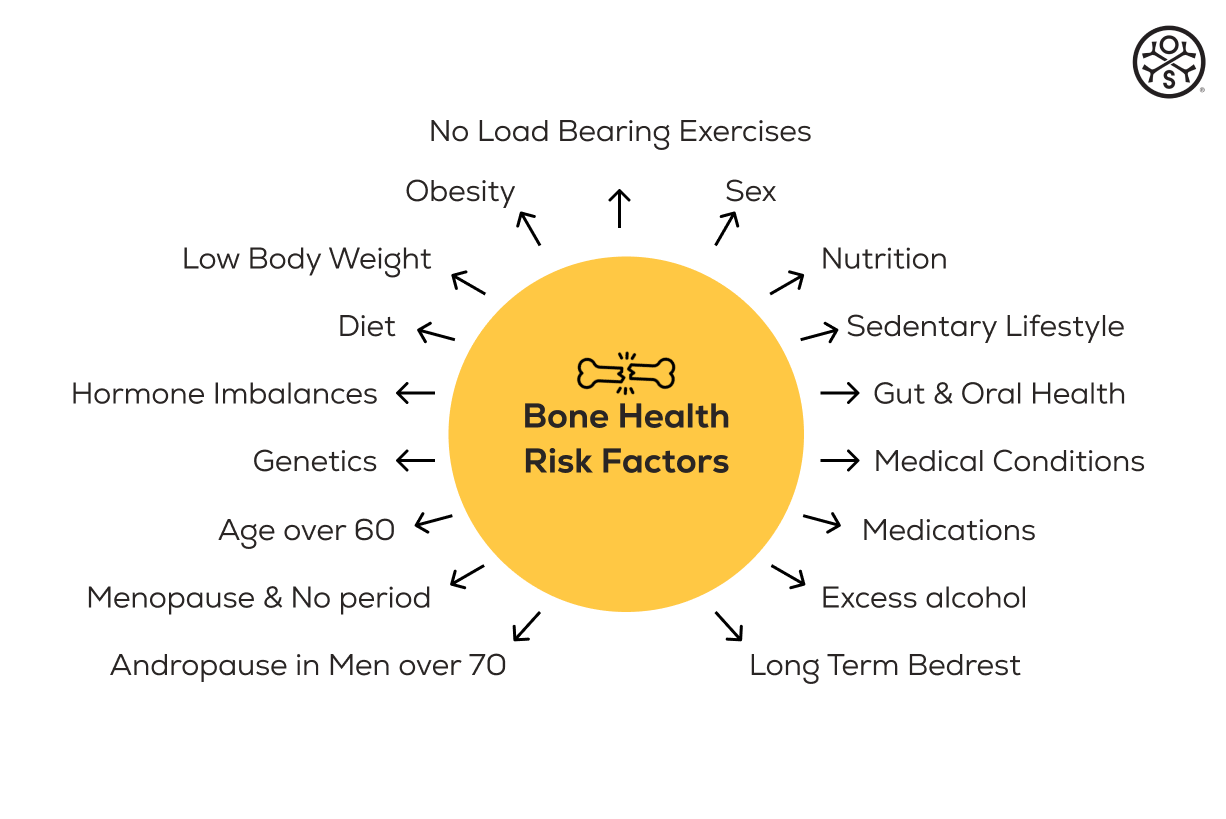
Beyond hormonal shifts, clinical data highlights several modifiable risk factors that contribute to the condition:
- Dietary Deficiencies: Inadequate intake of calcium and Vitamin D is a primary driver of low bone mass. Calcium acts as the building block of bone tissue, while Vitamin D is essential for the body to absorb calcium effectively.
- Physical Inactivity: Bones respond to mechanical stress by becoming stronger. Sedentary lifestyles, specifically the lack of weight-bearing and resistance exercises, contribute to a reduction in bone mineral density.
- Tobacco and Alcohol Use: Research published by the Bone Health and Osteoporosis Foundation indicates that smoking and excessive alcohol consumption interfere with the body’s ability to maintain bone mass, further increasing fracture risk.
- Medication Side Effects: Long-term use of certain medications, such as glucocorticoids (e.g., prednisone), can lead to secondary bone loss.
The Role of Dual-Energy X-ray Absorptiometry (DXA)
The gold standard for diagnosing osteopenia is the Dual-Energy X-ray Absorptiometry (DXA) scan. This non-invasive imaging test measures bone mineral density in the hip and spine—the areas most susceptible to fractures. Because osteopenia does not cause pain or physical deformity, many individuals remain unaware of their condition until a bone breaks, often under circumstances that would not typically cause a fracture in a healthy bone.
Physicians generally recommend screening for women aged 65 and older and men aged 70 and older. However, screening may be recommended earlier for individuals with specific risk factors, such as a history of fragility fractures, rheumatoid arthritis, or prolonged use of bone-depleting medications. The U.S. Preventive Services Task Force emphasizes that early screening is the most effective tool to identify those at risk for osteoporosis and to initiate preventative interventions.
Preventative Strategies and Lifestyle Management
The primary goal in managing osteopenia is to prevent the progression to osteoporosis. This does not always require pharmaceutical intervention; for many, it involves a transition to bone-healthy habits. Weight-bearing exercise—such as brisk walking, jogging, or dancing—combined with resistance training is highly recommended. Resistance training, in particular, places load on the bones, which stimulates osteoblasts, the cells responsible for bone formation.

Nutrition also remains a pillar of bone health. I advise my patients to prioritize whole-food sources of calcium, such as dairy products, leafy greens, and fortified cereals. If dietary intake is insufficient, supplementation may be discussed with a healthcare provider, though it is important to note that excessive calcium supplementation can, in some cases, be linked to cardiovascular issues. Therefore, any supplement regimen should be guided by blood tests and professional medical advice. Maintaining adequate levels of Vitamin D is equally important, as it is difficult to obtain sufficient amounts through diet alone in many geographic regions, particularly during winter months.
Future Outlook and Clinical Follow-up
Advances in medical screening have made it easier than ever to monitor bone health. For those diagnosed with osteopenia, the clinical path forward typically involves a follow-up DXA scan, often scheduled every two to five years depending on the individual’s baseline T-score and risk profile. This longitudinal data allows physicians to determine if lifestyle interventions are stabilizing bone density or if the condition is progressing, necessitating more aggressive pharmacological management, such as bisphosphonates or other bone-building therapies.
As the global population ages, the burden of bone-related diseases is expected to rise. Engaging in early screening and maintaining a bone-healthy lifestyle are the most effective ways to preserve mobility and quality of life. Readers are encouraged to consult their primary care physician to assess their individual risk factors and discuss whether a bone density screening is appropriate for their age and health history. For those seeking further information, the International Osteoporosis Foundation provides comprehensive resources on global bone health initiatives and patient education.
Have you had a bone density screening recently, or are you concerned about your bone health? Share your questions or experiences in the comments below, and stay tuned for our next update on public health initiatives regarding musculoskeletal longevity.
Worth a look
- How Sleep Affects Testosterone Levels: The Link Between Sleep Deprivation and Low T
- Patient Recovers Successfully After Surgery: Medical Professional Confirms Positive Evolution
- FDA Approves Groundbreaking mRNA Vaccine Booster for Adults 50+, Boosting Immunity and Protecting Against Chronic Health Risks (archyworldys.com)