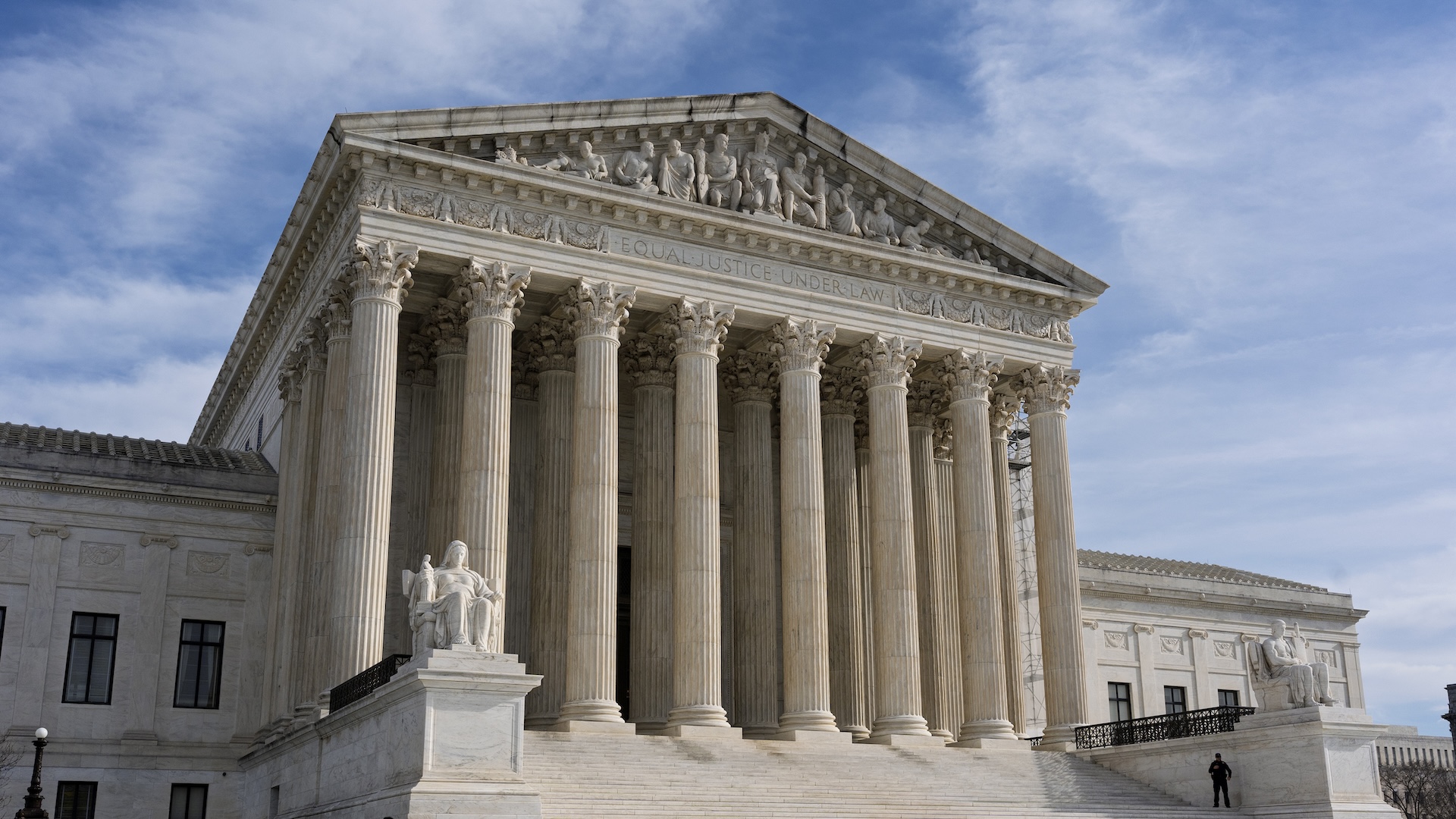
The United States Supreme Court’s recent legal decisions regarding immigration policy have triggered a wave of uncertainty across multiple economic sectors, forcing nursing homes, factory owners, and immigrants to re-evaluate their reliance on immigrant labor. These rulings, which have impacted programs such as Temporary Protected Status (TPS), are creating significant operational challenges for industries that depend on a stable workforce.
For employers, the core issue is the potential loss of legal work authorization for thousands of individuals. As the legal landscape shifts, businesses in labor-intensive fields are bracing for possible disruptions in staffing, payroll, and long-term recruitment planning. The legal complexities surrounding these adjustments follow a series of judicial actions.
Industry Impact and Workforce Stability
Nursing homes and long-term care facilities are among the hardest hit by these policy shifts. Many facilities rely on immigrant workers to fill essential roles in nursing assistance and administrative support. Any sudden removal of protected status holders could exacerbate these existing labor gaps. Industry associations are now advising members to conduct internal audits of their I-9 employment eligibility verification forms to ensure compliance with changing federal mandates.

Factory owners and agricultural operators face similar pressures. In regions where local labor pools are insufficient to meet production demands, the loss of workers with protected status presents a direct threat to operational capacity. Unlike white-collar roles that can often transition to remote work, these industries require physical presence, making the loss of a worker immediate and difficult to replace. Employers are increasingly looking toward automated solutions or regional recruitment strategies, though many executives acknowledge these are long-term fixes for short-term labor crises.
The Legal Context of Recent Rulings
The current climate is the result of multiple court challenges that have tested the limits of executive power in granting and rescinding humanitarian protections. The Supreme Court allowed the removal of protections from thousands of Haitian and Syrian immigrants. Stephen Miller said “America’s doors are closed fully to asylum seekers” after Supreme Court rulings.
For immigrants holding TPS, the risk is not merely the loss of employment but the potential for deportation if their status expires without a renewal option or a transition to another legal visa category. More than a million immigrants face a scramble to stay in the US.
What Happens Next for Employers and Workers
The immediate outlook for businesses and immigrant communities remains tethered to upcoming federal filings and potential new administrative guidance. For those affected, legal counsel suggests seeking individual assessments of their immigration status, as the impact of the Supreme Court’s rulings can vary significantly based on an individual’s country of origin and the specific legal basis of their original protection.

These documents will define the precise timelines for the phase-out of certain protections and the grace periods allowed for individuals to adjust their status. In the meantime, the tension between labor market demands and restrictive immigration policies continues to reshape the national conversation on economic stability.
The uncertainty caused by these court rulings remains a central topic for business leaders and policy analysts alike. We invite our readers to share their perspectives on how these labor shifts are affecting their local communities in the comments section below.