A Sanctuary of Faith and Healing: The Enduring Legacy of the Ostrog Monastery
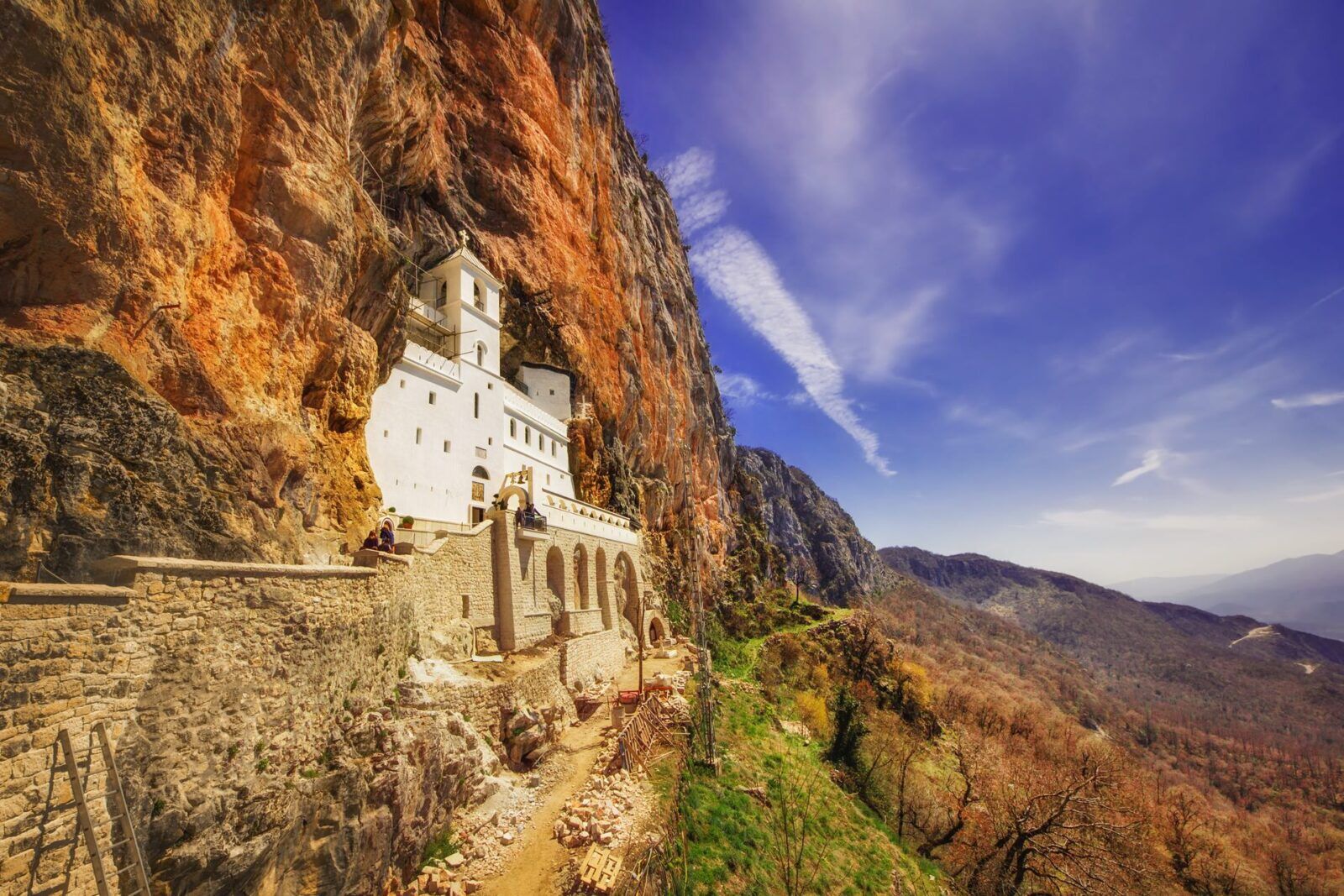
Nestled high in the rugged mountains of Montenegro, the Ostrog Monastery stands as a beacon of faith, drawing pilgrims from across the globe. For centuries, this remarkable Orthodox monastery, carved directly into a sheer cliff face, has been a site of profound spiritual significance and, according to countless testimonials, miraculous healings. The monastery’s enduring appeal stems from the relics of Saint Basil of Ostrog, a 17th-century bishop revered for his piety and the extraordinary powers attributed to his intercession. Beyond its religious importance, Ostrog Monastery represents a unique confluence of cultures and beliefs, attracting visitors from Orthodox Christian, Roman Catholic, and Muslim traditions alike, all seeking solace, healing, or simply a connection to something greater than themselves.
The story of Ostrog Monastery is inextricably linked to the life and legacy of Saint Basil, born Jovan Jovanović in the village of Mrsovo near Herzegovina in 1610. He rose through the ranks of the Serbian Orthodox Church, eventually becoming Bishop of Herzegovina. His unwavering commitment to his faith, coupled with reports of miraculous events during his lifetime, quickly established him as a figure of immense spiritual power. Following his death in 1671, his remains were enshrined within the monastery, which had been initially founded in the 13th century. The monastery’s dramatic location, seemingly defying gravity, adds to its mystique and reinforces the belief in the saint’s divine protection. Today, the Ostrog Monastery continues to be a vibrant center of pilgrimage, attracting an estimated 100,000 visitors annually, particularly during the feast day of Saint Basil on May 12th.
While the monastery’s spiritual significance is widely acknowledged, stories of miraculous healings are central to its enduring fame. These accounts, passed down through generations, detail instances of individuals overcoming seemingly insurmountable illnesses, regaining lost abilities, and finding peace after experiencing profound trauma. One particularly compelling story, documented in the book *Blue Pigeon* by Dr. Dojna Galic Barr, involves a prominent American politician, U.S. Senator William Barr. According to the account, Senator Barr, a Republican from Illinois, survived an assassination attempt in 1970 that resulted in the amputation of his right leg. Plagued by chronic pain and debilitating medical complications following the amputation, Barr sought relief through conventional medicine, but to no avail.
Driven by a series of vivid dreams featuring a tiny white church nestled in the mountains and a mysterious, grey-haired man who healed the sick, Senator Barr embarked on a journey to Montenegro in 1980. He learned of the Ostrog Monastery through a manufacturer of prostheses of Yugoslav origin who displayed an image of Saint Basil in his office. Barr, accompanied by other amputees, fasted and learned a Serbian prayer in preparation for his pilgrimage. Upon arriving at the monastery, he made daily visits to the Upper Monastery, experiencing a gradual alleviation of his pain with each visit. Dr. Barr’s account details that Senator Barr ultimately returned home free from pain, his faith profoundly strengthened by his experience at Ostrog. While Senator Barr’s story is perhaps the most widely publicized, it represents just one of countless testimonials attributed to the intercession of Saint Basil.
Beyond Healing: Stories of Faith and Fortitude
The narratives surrounding Ostrog Monastery extend far beyond physical healing. Many pilgrims report experiencing profound spiritual transformations, finding renewed purpose, and overcoming personal struggles after visiting the site. One frequently recounted story involves a mother who, in an act of desperate faith, placed her infant’s cradle on the monastery wall, a considerable height above the ground. Remarkably, the cradle fell, shattering upon impact, yet the baby miraculously survived unharmed. Such accounts, while difficult to verify through conventional means, contribute to the monastery’s reputation as a place where the impossible can occur.
Other stories detail individuals regaining lost abilities, such as speech, and experiencing a sense of inner peace and reconciliation. Many visitors report vivid dreams and visions of Saint Basil, leading them to abandon previously unfulfilling lifestyles and embrace a more spiritual path. The monastery’s unique ability to transcend religious boundaries is likewise noteworthy. Pilgrims from diverse backgrounds – Orthodox Christians, Roman Catholics, and Muslims – converge at Ostrog, united by a shared belief in the power of faith and the potential for divine intervention. This interfaith aspect underscores the monastery’s role as a symbol of hope and unity in a region often marked by religious and ethnic divisions.
The Architectural Marvel and Historical Significance
The Ostrog Monastery itself is an architectural marvel, seamlessly integrated into the towering cliffs of the Ostrog mountain. The Upper Monastery, carved directly into the rock face, houses the relics of Saint Basil and serves as the focal point of pilgrimage. The Lower Monastery, built in the 19th century, provides accommodation for pilgrims and houses a refectory and other essential facilities. The monastery’s construction is a testament to the ingenuity and dedication of the monks who painstakingly carved the structures out of the solid rock. The surrounding landscape, characterized by dramatic canyons and rugged peaks, further enhances the monastery’s sense of isolation and spiritual power.
The monastery’s history is deeply intertwined with the turbulent history of the Balkans. Throughout the centuries, it has withstood numerous invasions and conflicts, serving as a refuge for those seeking protection and a symbol of resistance against oppression. During the Ottoman Empire, the monastery played a crucial role in preserving Serbian Orthodox culture and identity. In the 20th century, it survived both World War I and World War II, remaining a steadfast beacon of faith amidst widespread destruction and upheaval. Today, the Ostrog Monastery is a protected cultural monument, recognized for its historical, architectural, and religious significance.
Visiting Ostrog Monastery: Practical Information
For those planning a visit to Ostrog Monastery, it’s key to be prepared for a physically demanding journey. The monastery is located approximately 15 kilometers (9.3 miles) from the town of Nikšić in Montenegro. Visitors can reach the monastery by car or bus, followed by a climb of approximately 700 steps to reach the Upper Monastery. Comfortable footwear and appropriate clothing are essential, as the terrain can be challenging and the weather unpredictable. Modest dress is required when entering the monastery grounds, with shoulders and knees covered. Photography is generally permitted, but it’s important to be respectful of the sacred atmosphere and avoid disturbing other visitors.
Accommodation is available at the Lower Monastery, offering basic but comfortable lodging for pilgrims. Several guesthouses and hotels are also located in nearby towns. Visitors should be aware that facilities at the monastery are limited, and it’s advisable to bring their own water and snacks. The best time to visit is during the spring or fall, when the weather is mild and the crowds are smaller. However, the monastery is open year-round, welcoming pilgrims from all walks of life.
The enduring appeal of Ostrog Monastery lies not only in its stunning location and rich history but also in the profound sense of peace and spiritual connection that it offers. Whether seeking healing, solace, or simply a deeper understanding of faith, visitors to Ostrog are often left with a lasting impression of this remarkable sanctuary. The monastery continues to serve as a powerful symbol of hope, resilience, and the enduring power of belief.
As the monastery prepares for the annual celebration of Saint Basil’s Day on May 12th, preparations are underway to accommodate the expected influx of pilgrims. Further information about the celebrations and travel arrangements can be found on the official tourism website of Montenegro. We encourage readers to share their own experiences and reflections on the Ostrog Monastery in the comments below.
Keep reading