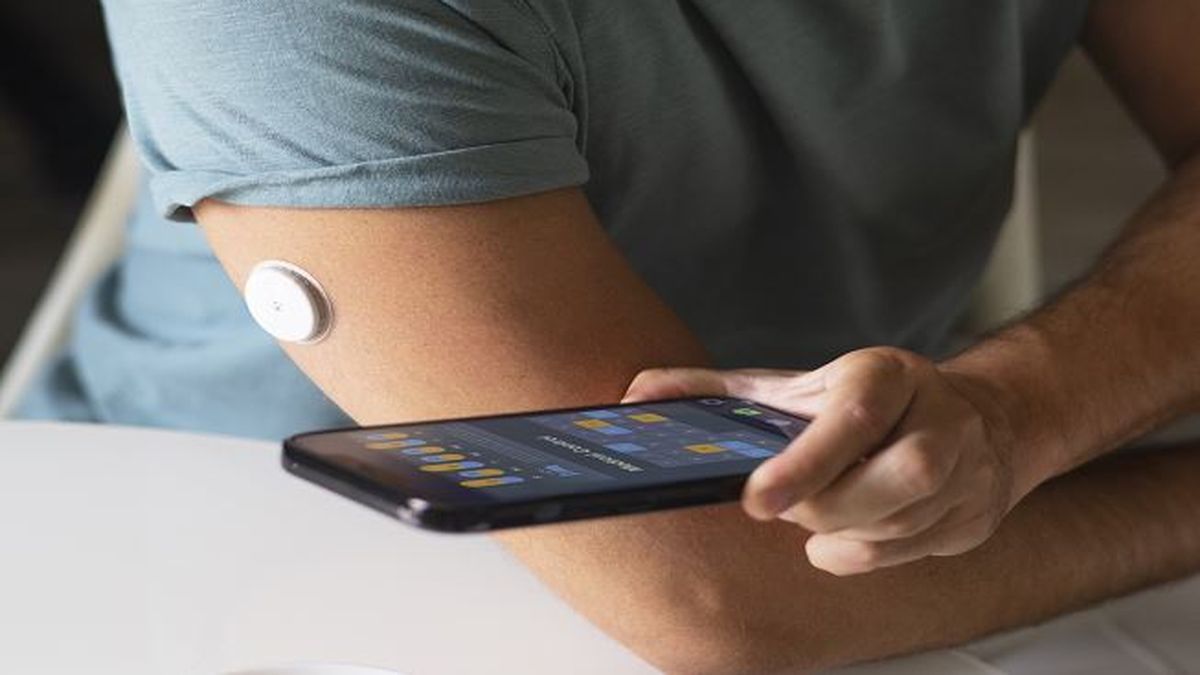
As we navigate the evolving landscape of medical technology, few innovations hold as much promise for patient autonomy as the latest advancements in continuous glucose monitoring (CGM). For millions of people living with diabetes worldwide, the constant vigilance required to manage blood glucose levels is a significant burden. Recent developments in predictive algorithms are now beginning to offer a more proactive approach, potentially shifting the paradigm from reactive treatment to anticipatory care.
In my clinical experience, the most challenging aspect of diabetes management remains the unpredictability of glucose fluctuations. Patients often face the anxiety of sudden hypoglycemic events, which require immediate intervention. Emerging technologies that utilize predictive modeling aim to address this by identifying patterns in glucose trends before they reach critical levels. This shift toward predictive alerts is a significant step in enhancing the safety and quality of life for those managing chronic metabolic conditions.
The integration of predictive analytics into wearable health devices represents a convergence of medical expertise and data science. By analyzing real-time data from interstitial fluid, these systems can provide actionable insights, allowing patients to make informed decisions about their diet, insulin dosage, and activity levels long before a clinical complication occurs. According to the Centers for Disease Control and Prevention (CDC), consistent monitoring is a cornerstone of diabetes management, and technology that simplifies this process can significantly improve long-term health outcomes.
The Evolution of Glucose Monitoring Technology
Historically, patients relied heavily on manual finger-prick testing, which provided only a snapshot of blood glucose at a single moment in time. The advent of Continuous Glucose Monitoring (CGM) systems revolutionized this by providing a comprehensive view of glucose trends throughout the day, and night. Modern systems have further refined this by incorporating sophisticated sensors and mobile application interfaces that allow for seamless data tracking.
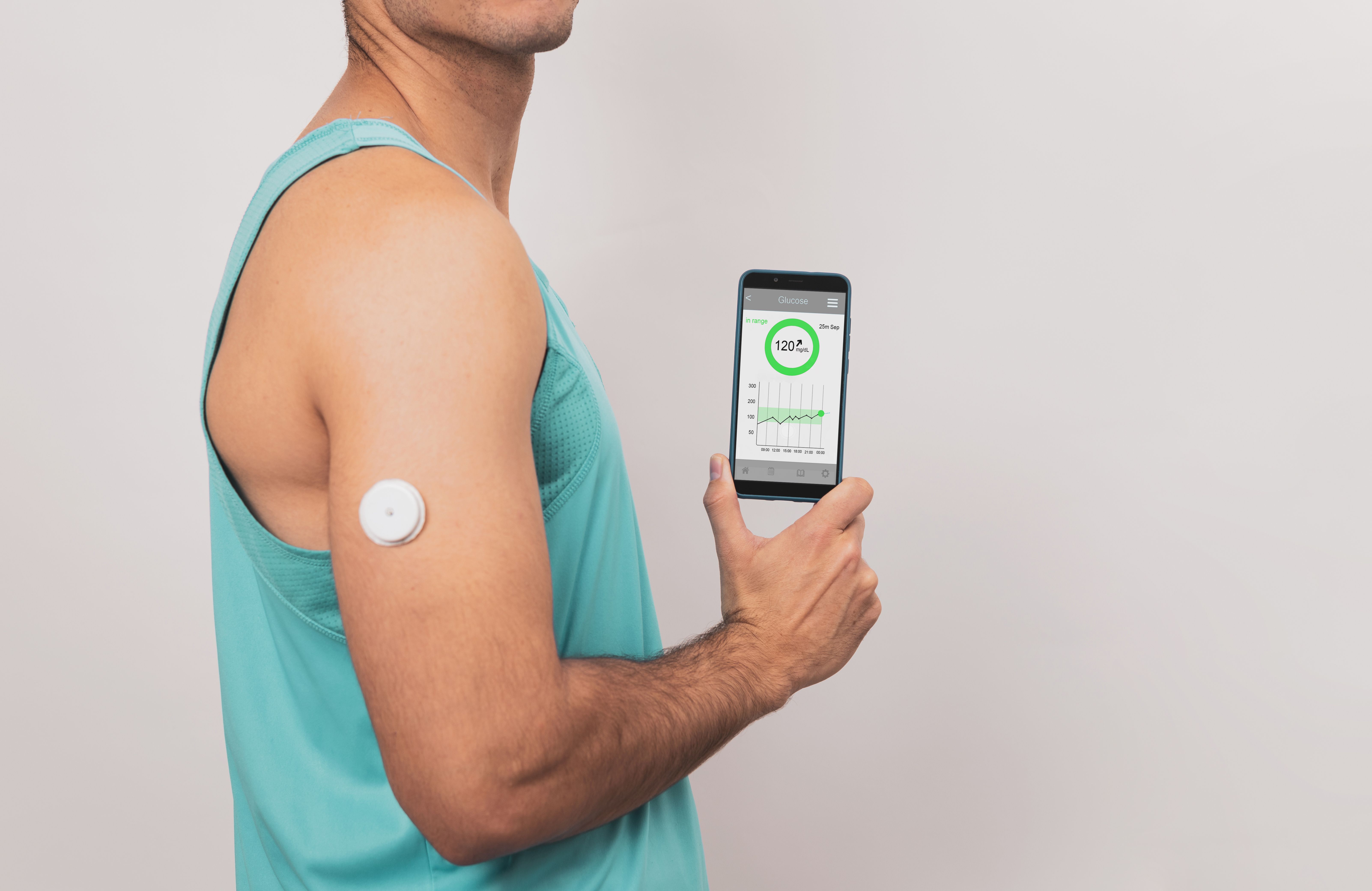
The current generation of devices goes beyond mere observation. By utilizing advanced algorithms, these systems can now anticipate the direction and velocity of glucose changes. When a device detects a trend that indicates a high probability of hypoglycemia—low blood sugar—it sends an alert to the user’s smartphone or receiver. This “early warning system” functionality is designed to give patients the critical time needed to ingest fast-acting carbohydrates or adjust their insulin administration, thereby preventing severe descompensations.
while these devices offer significant advantages, they remain tools for support rather than replacements for clinical judgment. The U.S. Food and Drug Administration (FDA) emphasizes that users must remain engaged with their healthcare providers to calibrate these devices correctly and interpret the data within the context of their overall treatment plan. Reliable, high-quality data is essential for the effective use of these systems, and ongoing professional oversight ensures that the technology is being used safely and effectively.
Understanding Predictive Analytics in Clinical Practice
How do these devices actually “predict” the future of a patient’s glucose levels? At their core, these systems use complex mathematical models to assess the rate of change. If a patient’s glucose level is trending downward at a specific velocity, the algorithm calculates the projected value for the next 15 to 30 minutes. If that projection falls below a pre-set safety threshold, the device triggers an alarm.
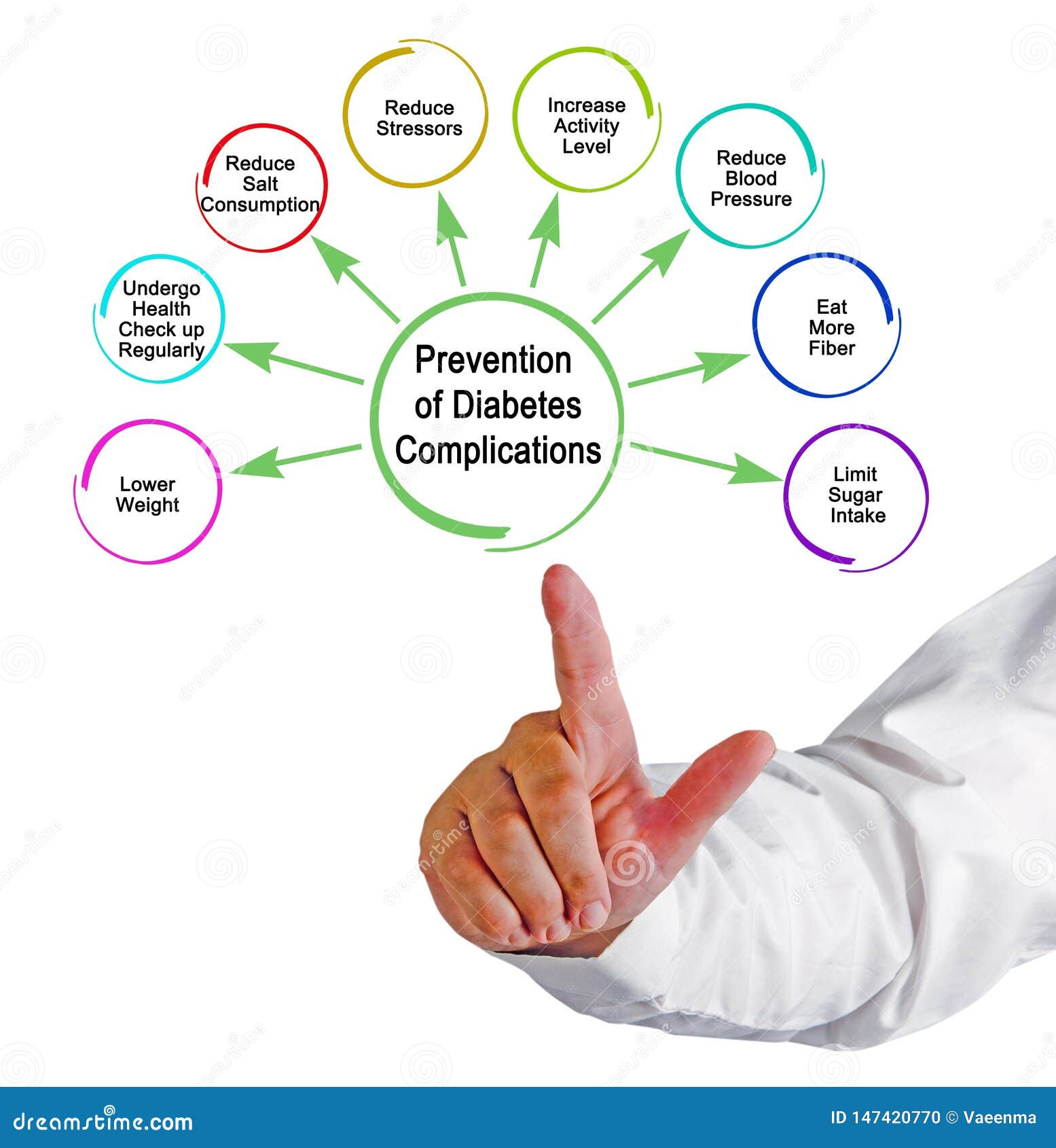
This functionality is particularly valuable during sleep or during intense physical activity, times when a patient might not be consciously aware of the subtle symptoms of a glucose drop. By providing an audible or haptic alert, the device acts as a digital safety net. For many, this technology provides a sense of security that was previously difficult to achieve without constant, exhausting manual checks.
From a healthcare policy perspective, the widespread adoption of such devices could potentially reduce the number of emergency room visits related to diabetes-related complications. As noted by the World Health Organization (WHO), the burden of diabetes is global, and innovative, cost-effective technologies that empower patients to self-manage their condition are essential to reducing the strain on public health systems.
Challenges and Future Directions
Despite the excitement surrounding these advancements, there are hurdles to overcome. Accessibility and affordability remain primary concerns. For technology to truly impact public health, it must be available to all patients, regardless of their socioeconomic status. The “alert fatigue” that can occur when devices are too sensitive remains a subject of ongoing research. Striking the right balance between sensitivity and specificity is crucial to ensure that patients trust their devices and do not disable crucial safety features.
Looking ahead, the integration of artificial intelligence and machine learning is expected to further enhance the accuracy of these predictions. Future iterations may even be able to account for variables such as stress, hormonal fluctuations, and illness, which are known to impact glucose levels. As we move toward a more personalized model of medicine, the role of the patient as an active partner in their own care will only continue to grow.
The next major checkpoint for many of these technologies will be the release of updated clinical guidelines that incorporate the use of predictive CGM data into standard care pathways. Patients are encouraged to discuss these emerging options with their endocrinologists to determine if a predictive CGM system is appropriate for their specific management needs.
As we continue to monitor these developments, I invite our readers to share their experiences with wearable health technology in the comments below. How has technology changed the way you manage your health? Your insights are invaluable as we continue to track the intersection of medical innovation and daily life.
Related reading