
A federal judge has issued a ruling protecting the right of demonstrators to display a specific protest flag near the National Mall, marking a significant development in the ongoing legal discourse surrounding free speech and public space management in Washington, D.C. The decision prevents the National Park Service (NPS) from revoking a protest permit based on the display of a flag bearing the numbers “86-47.”
The ruling clarifies the boundaries of administrative authority when managing protest permits in federal spaces. By preventing the revocation of the permit, the court has reinforced established protections for symbolic expression in areas designated for public assembly. This case underscores the tension between government agency regulations and the constitutional rights of individuals to engage in political protest near prominent landmarks.
Understanding the Legal Context of the Ruling
The core of the dispute involved the administrative authority of the National Park Service to regulate the content of displays on federal property. The group involved had sought to maintain their demonstration site, which included the controversial flag. The NPS had moved to revoke the permit, citing concerns related to the specific messaging of the “86-47” display. Legal observers note that this case highlights the high threshold the government must meet when attempting to restrict expressive conduct in traditional public forums, such as those overseen by the National Park Service.
In his decision, the judge determined that the agency’s attempt to revoke the permit on the basis of the flag’s content did not satisfy the necessary legal requirements to justify such an infringement on protected speech. This outcome serves as a reaffirmation of the principle that public land management cannot be used as a tool to selectively suppress political messages that officials may find objectionable. The court’s intervention ensures that the demonstrators may continue their presence without the immediate threat of permit termination related to their chosen signage.
Implications for Public Demonstrations
For activists and civil liberties advocates, the ruling is viewed as a victory for the First Amendment. The ability to utilize symbolic numbers or slogans in protest is a staple of American political discourse. By shielding the “86-47” flag from government-mandated removal, the court has provided a clear signal regarding the limitations of administrative oversight in public protests. The decision emphasizes that the government’s role in managing these spaces is primarily focused on time, place, and manner restrictions, rather than the substance of the political message itself.
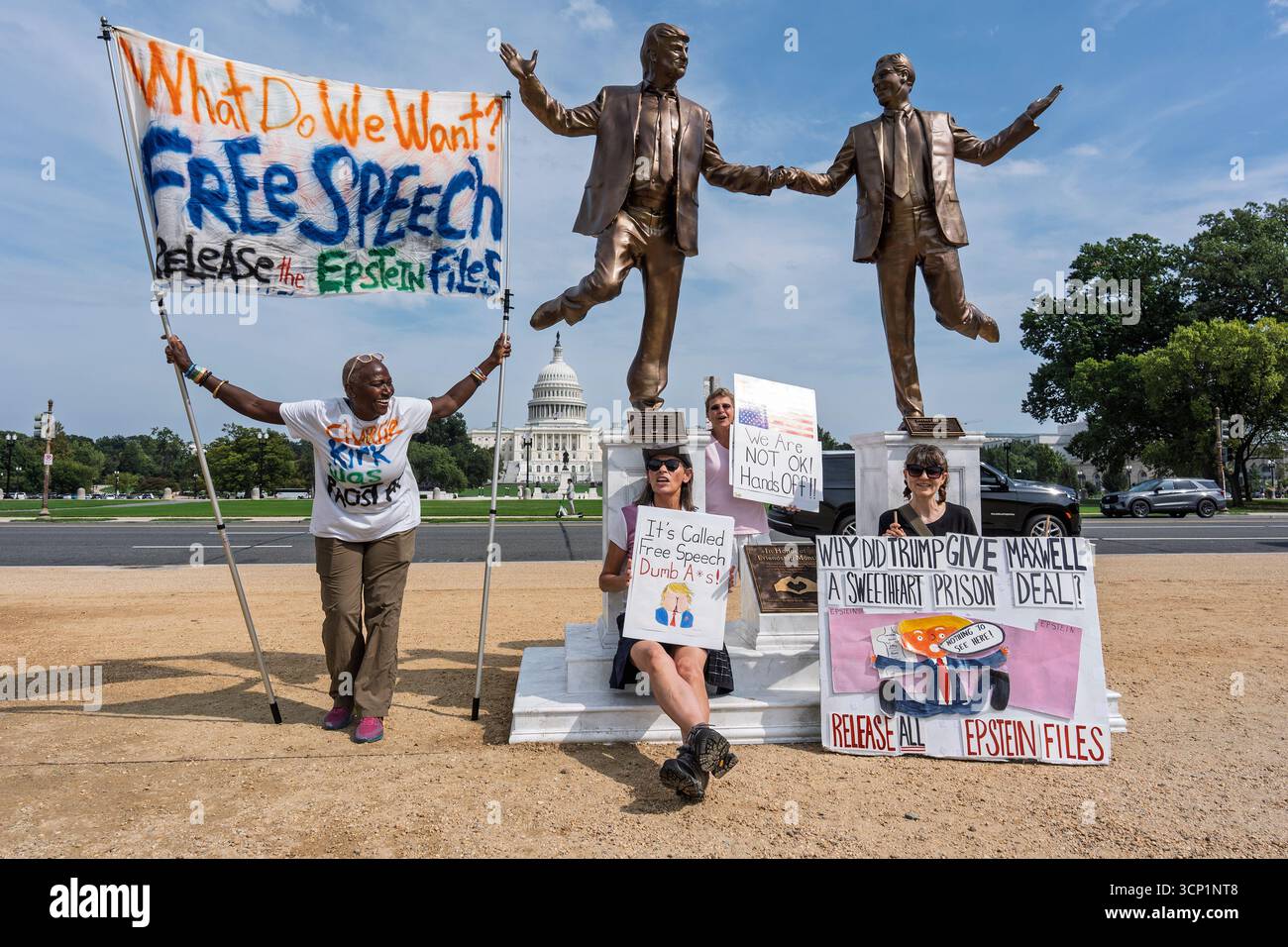
The case also serves as a reminder of the role of the judiciary in acting as a check on executive agency actions. When agencies like the National Park Service deviate from established constitutional standards in the name of regulation, the federal court system serves as the final arbiter. This ensures that even in highly sensitive areas near the White House and the National Mall, the rights of citizens to protest remain robust and protected from arbitrary administrative interference.
Key Takeaways
- Judicial Protection: The federal court ruled that the National Park Service cannot revoke a protest permit solely due to the content of a flag, specifically the “86-47” design.
- Constitutional Standard: The decision reinforces that government agencies must adhere to strict First Amendment protections when managing public assembly spaces.
- Administrative Limits: The ruling clarifies that administrative permit management cannot be used as a proxy for content-based censorship of political speech.
What Happens Next
Following this judicial ruling, the National Park Service is expected to comply with the court’s order, allowing the demonstration to proceed under the original permit conditions. There has been no immediate announcement regarding an appeal from the government. Interested parties and the public can monitor official federal court filings for any subsequent motions or procedural updates related to this litigation. As this remains a developing matter regarding protest rights, we encourage our readers to stay informed through official government channels and to share their thoughts on the implications of this ruling for future public demonstrations.
Related reading