As the countdown to the release of Grand Theft Auto VI reaches a fever pitch, it is becoming increasingly clear that the gaming world is bracing for more than just a software launch. When Rockstar Games finally brings its latest installment to consoles—currently slated for a 2025 release window, according to parent company Take-Two Interactive’s official investor filings—it will arrive in a cultural landscape far more volatile than the one that greeted Grand Theft Auto V over a decade ago. In today’s hyper-connected, politically polarized, and algorithm-driven society, the blockbuster title is poised to be more than a mere piece of entertainment; it is destined to be a lightning rod for the very discourse that defines our era.
For those who have followed the series since its inception in 1997, the cycle of controversy is familiar. However, the mechanism of that outrage has evolved. While previous generations saw moral panic stoked by traditional media outlets and legislative hearings, such as the 1993 U.S. Senate hearings on video game violence, today’s friction is often manufactured in the digital arena. As we look ahead to the next big chapter in the franchise, the question is not whether the game will be a commercial success, but whether our society has the collective bandwidth to navigate the inevitable cultural friction it will ignite.
The Evolution of Moral Panic in Gaming
The history of video games is punctuated by instances where a new medium was treated as a convenient scapegoat for societal ills. This phenomenon is not unique to gaming; it has historically mirrored the moral panics surrounding comic books, rock and roll, and tabletop role-playing games. According to industry experts, the disconnect often stems from a fundamental misunderstanding of the medium’s interactive nature by those outside of the gaming community.
Tony Rowe, an associate professor at Drexel University with an extensive background in game development, notes that the early days of the industry were defined by a different demographic. “When video games first came out, they didn’t tend to be marketed towards kids,” Rowe explains. “You’d see arcade games in bars, taverns, and cocktail lounges.” The shift toward a younger audience in the late 1970s and early 1980s coincided with the rise of dedicated gaming spaces like Chuck E. Cheese, which effectively brought the “boogeyman” narrative into the mainstream consciousness as parents and politicians began to question the effects of these “enchanting” and “dynamic” new experiences on youth behavior.
The 1976 arcade title Death Race serves as a historical touchstone for this trend. After receiving negative coverage from the Associated Press, the outcry was amplified by organizations like the National Safety Council, eventually reaching the pages of The New York Times. This multi-step amplification process—where a niche concern is sanitized and repackaged for a mass audience—became the blueprint for future controversies, including the intense scrutiny directed at the Grand Theft Auto series since its early days.

Monetizing Outrage in the Digital Age
Unlike the 1990s, where controversy was often driven by institutional gatekeepers, today’s outrage is frequently decentralized and highly profitable. The rise of social media platforms has incentivized a “rage-bait” economy where engagement is rewarded regardless of the nuance or accuracy of the underlying discourse.
“There are possibilities of accusations and rabble-rousing that have now been monetized on places like Twitter,” Rowe observes. In an environment where creators and pundits can generate revenue by stoking fear or indignation, the release of a high-profile, potentially provocative game like Grand Theft Auto VI is an obvious target. The pressure to “take a side” in a culture war often replaces genuine critical analysis, leading to a landscape where the game’s content is secondary to the narratives built around it.
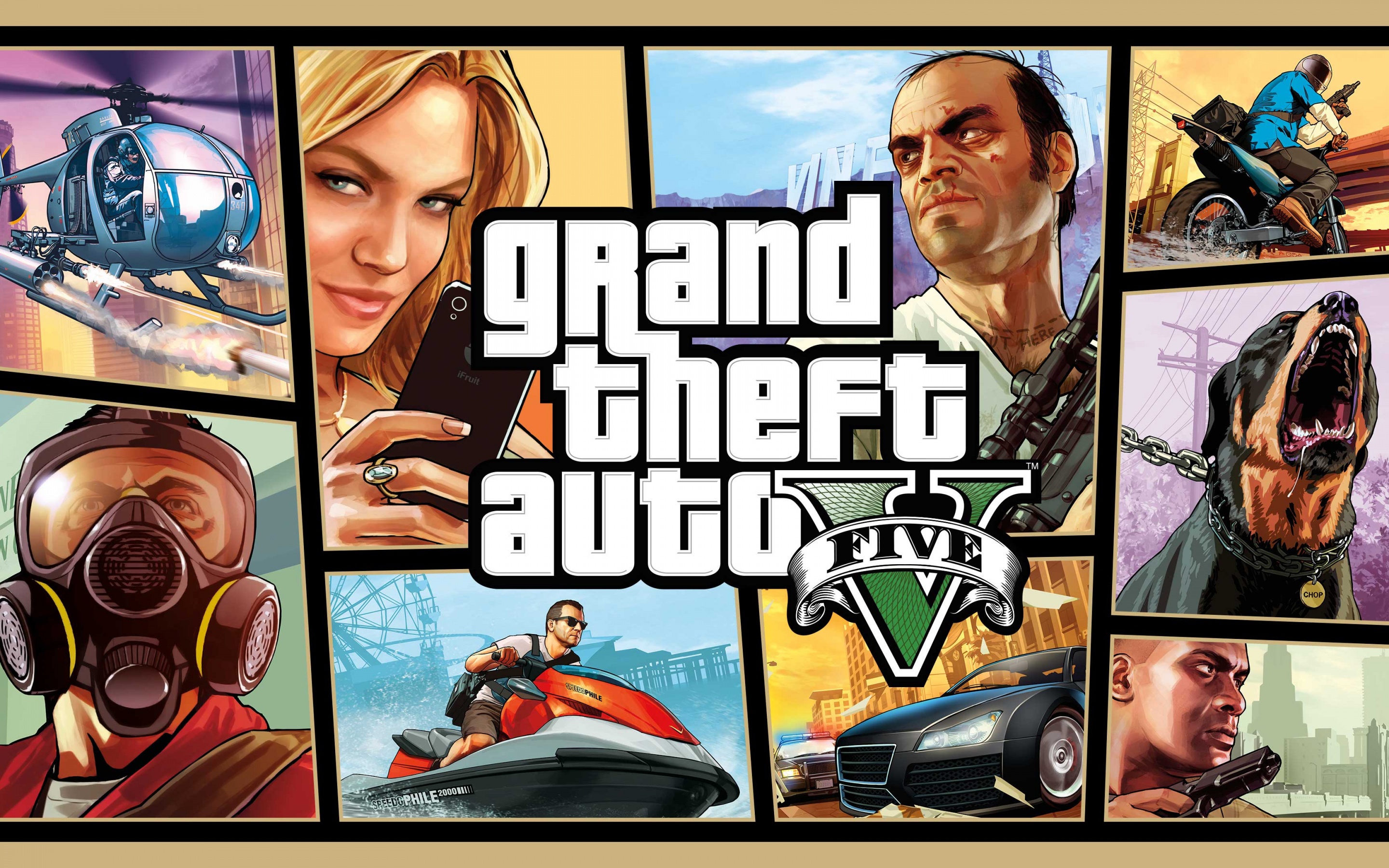
This is particularly relevant as Rockstar Games prepares to unveil a title that will almost certainly feature the studio’s signature satirical take on modern life. Given the trailers released by the company, which depict a world heavily influenced by social media, short-form video apps, and the absurdity of modern viral culture, it is highly likely that the game will hold a mirror up to the very people most likely to be outraged by it. Whether that satire will be interpreted accurately or weaponized for clicks remains the central tension of the upcoming launch.
Key Takeaways: Preparing for the Release
- The Shift in Demographics: The gaming industry is now over 50 years old, meaning a significant portion of the adult population is now well-versed in the language of interactive media.
- The Outrage Cycle: While institutional moral panic has faded, it has been replaced by decentralized, algorithm-driven outrage that is often monetized by social media creators.
- Satire as a Target: Rockstar Games’ tradition of social commentary is likely to be misinterpreted in a hyper-polarized environment, particularly as the game explores themes of modern digital life.
- Industry Impact: Grand Theft Auto VI represents a massive economic undertaking for Take-Two Interactive, and its performance will likely dictate industry trends for the remainder of the decade.
The Road Ahead
As we approach the release, the industry is waiting to see if Grand Theft Auto VI will act as a cultural reset or a catalyst for further division. While many players are simply looking forward to the technical achievements and storytelling excellence that Rockstar is known for, the “exhausting discourse” mentioned by analysts seems almost unavoidable. The game itself is a product of years of development, but the environment it is launching into is one that changes by the week.
For now, the best approach for the global audience is to maintain a critical eye toward the inevitable headlines. The history of gaming is one of constant evolution, and while the medium has moved past the era of being a simple scapegoat for societal problems, it has entered an era of being a complex reflection of them. We invite our readers to share their thoughts on how the gaming industry should navigate these shifting cultural tides. Stay tuned to World Today Journal for further updates as Rockstar Games provides more concrete details regarding the launch and the continued development of this landmark title.