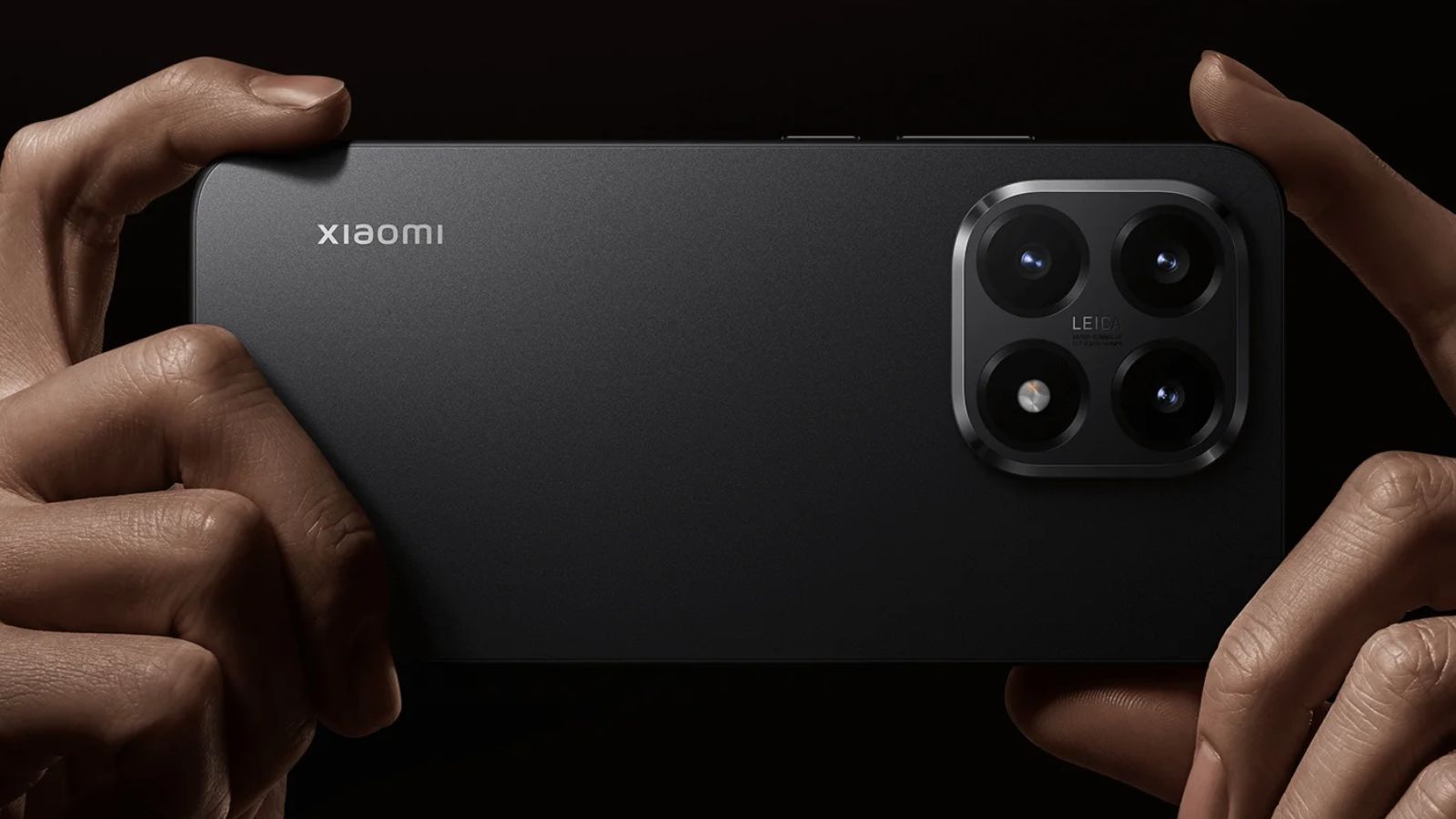
The global smartphone market continues to see rapid iteration, and Xiaomi’s latest hardware announcements have once again shifted the focus toward high-performance optics and battery longevity. With the official rollout of the Xiaomi 17T series, the company is positioning its newest devices to compete directly in the premium-midrange segment, emphasizing partnerships with legacy camera brands and aggressive hardware specifications that prioritize user longevity.
As a technology editor who has tracked the evolution of mobile chipsets and sensor technology for nearly a decade, the industry is moving toward a “value-plus” strategy. Consumers are no longer just looking for flagship-level processors. they are demanding hardware that bridges the gap between professional-grade photography and multi-day battery endurance. The Xiaomi 17T and 17T Pro represent a calculated move to capture this demographic, combining Leica-engineered imaging systems with hardware configurations designed to handle heavy daily workloads.
Engineering a New Standard for Battery and Optics
At the heart of the conversation surrounding the Xiaomi 17T series is the integration of advanced battery management systems and optical hardware. The industry standard for flagship devices has traditionally hovered around 5,000 mAh; however, Xiaomi’s latest push into higher-capacity power cells—seen across their broader portfolio, including the recently discussed 7,000 mAh capacity in their Redmi series—signals a shift toward addressing power anxiety as a primary consumer pain point.
The optical capabilities of the 17T Pro, in particular, lean into the company’s long-standing collaboration with Leica. By incorporating a 5x zoom telephoto lens, the device attempts to bring professional focal lengths into a more accessible form factor. This approach is not merely about pixel count; it is about the computational photography pipeline that processes light data from Leica-certified sensors to produce color science that mimics traditional film aesthetics, a feature that has become a hallmark of the Xiaomi-Leica partnership.
Strategic Pricing and Consumer Incentives
Xiaomi has historically utilized an aggressive pricing strategy to disrupt established market leaders. By bundling hardware incentives—such as tablets or electric scooters in select markets—the company effectively lowers the entry barrier for consumers looking to build out a complete smart ecosystem. This “bundle-first” approach is a departure from the minimalist packaging trends seen in Western markets, yet it remains a highly effective tool for driving volume in competitive regions.

For those considering an upgrade, the decision often hinges on the balance between the standard 17T and the Pro variant. While the 17T offers a streamlined experience for the average user, the Pro model is clearly aimed at power users who require faster charging protocols and advanced image signal processing (ISP) capabilities. According to official company documentation, ensuring that your device remains within the manufacturer’s support lifecycle is critical for long-term security updates and software stability.
Technical Specifications at a Glance
When comparing the current generation, it is helpful to look at the divergence in hardware targets. Below is a summary of the key differentiators currently observed in the 17T lineup:
- Imaging: Leica-engineered optics with a dedicated 5x optical zoom capability.
- Power: High-density battery architecture focused on extending screen-on time for power users.
- Software: Integration with the latest iteration of Xiaomi’s user interface, optimized for AI-driven background tasks.
- Ecosystem: Compatibility with the broader Xiaomi IoT ecosystem, including tablets and wearable devices.
The Future of the Midrange Landscape
The broader impact of these releases is that “midrange” no longer implies “compromise.” With the inclusion of high-refresh-rate displays, robust thermal management, and professional-grade imaging, the distance between a $400 device and a $1,200 device is narrowing. This is excellent news for the global consumer, as it forces competitors to innovate faster or risk losing market share to devices that offer 90% of the flagship experience at a fraction of the cost.

As we look toward the next quarter, the focus will likely shift to how these devices perform under sustained load and how the software updates maintain the integrity of the camera system over time. For those interested in the latest software patches and security advisories, it is recommended to monitor the official Xiaomi Security Center for updates regarding your specific region and model.
What are your thoughts on the recent shift toward massive battery capacities in smartphones? Does a 7,000 mAh battery change your purchasing decision, or do you prioritize form factor and weight? Join the conversation in the comments below, and be sure to share this analysis with your network if you found it helpful.
Related reading