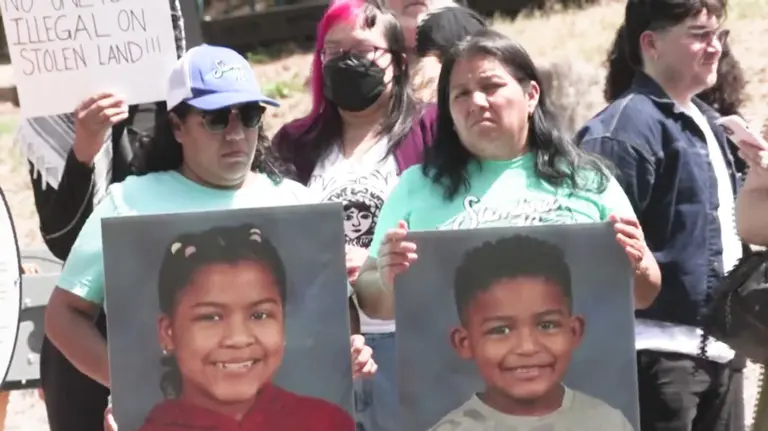
Two young children, aged 6 and 11, were deported from the United States in less than 48 hours after attending what was expected to be a routine court appointment regarding their asylum cases. The incident has sparked significant alarm among immigration advocates and community members in North Carolina.
The children, identified as Genesis and Denis, were residents of Durham. They had accompanied their parents to a scheduled hearing for their asylum process, with the expectation that they would return to their home in Durham following the proceedings. Instead, the children were detained by U.S. Immigration and Customs Enforcement (ICE) and removed from the country shortly thereafter.
The speed of the deportation has drawn scrutiny toward the processing of minors within the immigration system. According to the organization Siembra NC, the children were effectively “missing” for two days before it was confirmed that they had already been deported. The organization highlighted the distress of the family, who believed the children would be returning home after their appointment.
A Routine Appointment Turned Crisis
The case of Genesis and Denis underscores the precarious nature of asylum proceedings for families in the United States. The children were attending a routine appointment—a standard part of the legal process for those seeking protection under asylum laws. However, the transition from a court appearance to detention and immediate deportation occurred with startling rapidity.
In this instance, the timeline between the court date and the physical removal of the children was less than 48 hours. This rapid turnaround has raised questions regarding the legal safeguards in place for minors during asylum hearings and the protocols followed by ICE when detaining children at court sites.
The Role of Community Advocacy
Siembra NC, an organization supporting immigrant communities, became a primary voice for the family during the search for the children. For two days, the family and advocates were unable to locate the minors, only to discover that the deportation process had been completed in a window of time that left little room for legal intervention or family reunification efforts.
The organization’s report that the children were “missing” before the confirmation of their deportation points to a lack of immediate communication between detention authorities and the legal representatives or family members of the detainees. This gap in information often complicates the ability of advocates to file emergency stays of removal or seek judicial relief.
Broader Immigration Climate in North Carolina
This event occurs within a broader context of heightened immigration enforcement and legal scrutiny across North Carolina. Reports from the N+ Univision Raleigh news coverage indicate a climate marked by the presence of ICE centers in the state, as highlighted by the ACLU, and the implementation of 287(g) agreements in various counties. These agreements allow local law enforcement to perform certain functions of federal immigration officers, increasing the likelihood of detentions during routine interactions or legal appointments.
The deportation of Genesis and Denis is seen by local advocates as a reflection of these systemic pressures, where the intersection of local and federal enforcement can lead to rapid removals, even for those actively participating in the legal asylum process.
Key Details of the Case
| Detail | Information |
|---|---|
| Individuals Affected | Genesis (11) and Denis (6) |
| Home Location | Durham, North Carolina |
| Trigger Event | Routine asylum court appointment |
| Time to Deportation | Less than 48 hours |
| Reporting Organization | Siembra NC |
As the family deals with the separation and the sudden removal of their children, the case serves as a stark example of the risks faced by asylum seekers during the adjudication of their cases. The speed of the action in this case has left the community questioning the transparency of the detention process for minors.
The next confirmed checkpoint for those monitoring these cases involves the ongoing tracking of ICE center activities in North Carolina and the legal challenges brought forward by organizations like the ACLU regarding the treatment and detention of minors in the region.
We invite readers to share their perspectives on this development in the comments below and share this report to increase awareness of the challenges facing asylum seekers.
Keep reading