
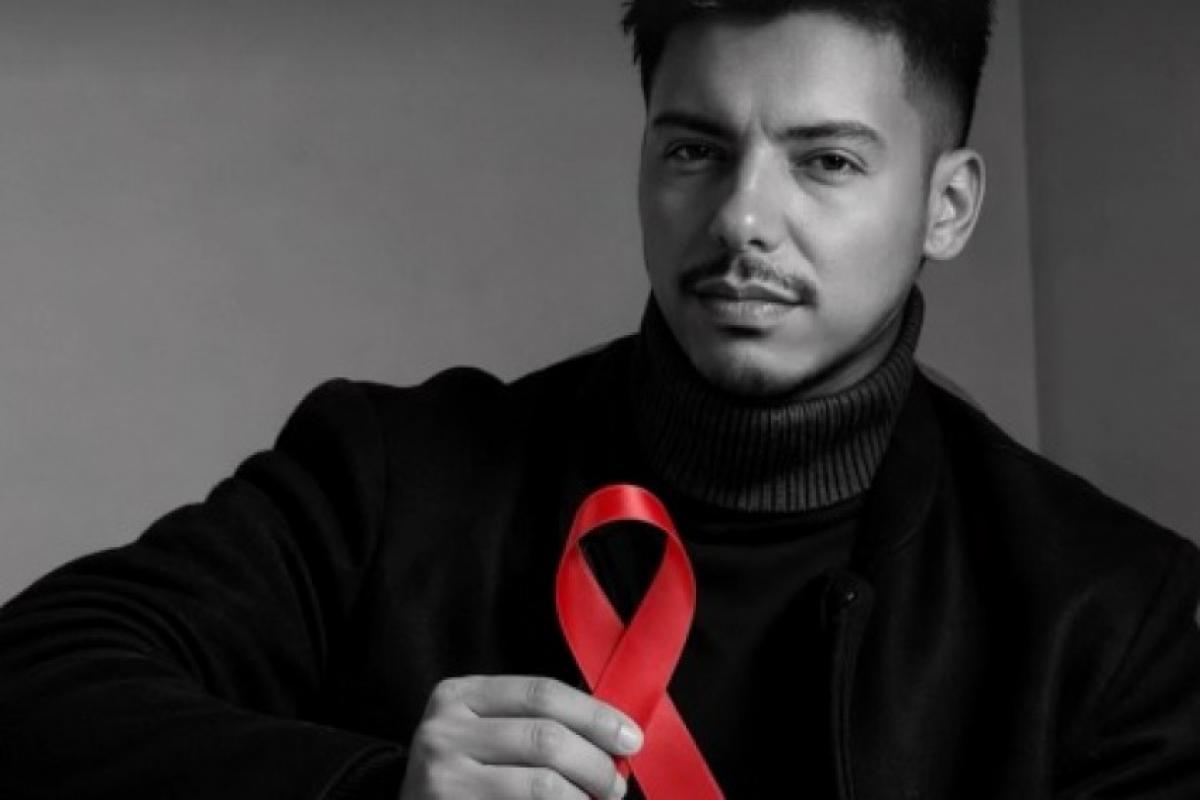
In April 2026, a 32-year-old hairdresser and social media influencer from São José dos Campos, Brazil, shared his experience of being diagnosed with HIV following a sexual encounter arranged through a dating app. Speaking to local news outlet OVALE, Iago Rabello described feeling deceived after learning his partner had not disclosed their HIV status prior to engaging in unprotected sex. His account highlights ongoing challenges related to HIV transmission, stigma, and the importance of open communication in sexual health.
Rabello stated he met the individual through Grindr, a geosocial networking app commonly used by LGBTQ+ individuals. He noted the profile lacked a permanent photo and featured only temporary images. The encounter occurred in mid-2025, and he did not initially experience symptoms commonly associated with acute HIV infection. Months later, he noticed unusual skin markings on his face, which he initially feared might be a sign of skin cancer. After seeking medical evaluation and undergoing diagnostic testing, he received confirmation of HIV infection in January 2026, following repeat tests to ensure accuracy.
According to Rabello, the turning point came when his partner sent a message asking whether he was taking pre-exposure prophylaxis (PrEP), a medication used to prevent HIV infection. Shortly after, he was blocked on the platform. “I felt deceived,” Rabello said in his interview, recounting the emotional impact of the realization. He emphasized that the lack of disclosure about his partner’s status prevented him from making an informed decision about protection.
Following diagnosis, Rabello began receiving care at the Centro de Referência em Moléstias Infecciosas (CRMI) in São José dos Campos, a specialized infectious disease referral center. He reported accessing antiretroviral therapy and psychosocial support through the facility. “It felt like the ground disappeared under me at first,” he shared, describing the initial psychological toll. “But my family gave me strength, and gradually I found stability through treatment and counseling.”
His experience underscores the continued relevance of HIV prevention strategies, particularly the role of PrEP and consistent condom apply in reducing transmission risk. According to the U.S. Centers for Disease Control and Prevention, when taken as prescribed, PrEP reduces the risk of getting HIV from sex by about 99%. But, awareness and access to such preventive tools vary significantly across regions and populations, particularly among young adults and marginalized communities.
Rabello’s decision to speak publicly aligns with broader public health efforts to encourage HIV testing, reduce stigma, and promote honest dialogue about sexual health. In Brazil, the Ministry of Health estimates that approximately 960,000 people were living with HIV in 2023, with a significant proportion unaware of their status. Late diagnosis remains a concern, as it can delay treatment initiation and increase the risk of transmission.
The case as well reflects evolving patterns of HIV exposure in the digital age, where dating and social apps facilitate connections but may also complicate discussions about health status. Public health advocates stress that while technology expands access to potential partners, it does not replace the need for mutual responsibility in disclosing sexually transmitted infections (STIs) and practicing safer sex.
Health professionals recommend routine HIV screening for sexually active individuals, especially those with multiple partners or inconsistent condom use. Early detection allows for prompt initiation of antiretroviral therapy, which can suppress the virus to undetectable levels, effectively eliminating the risk of sexual transmission—a concept widely recognized as Undetectable = Untransmittable (U=U).
Rabello has since used his platform to encourage others to prioritize their sexual health, get tested regularly, and engage in open conversations with partners. “I didn’t expect this to happen to me,” he said. “But now I want to help others avoid going through what I did, especially young people who might feel invincible or unsure where to turn.”
As of April 2026, Rabello continues his treatment and advocacy work, sharing updates through his social media channels to foster awareness and compassion. His story serves as a reminder that HIV can affect anyone, regardless of background, and that timely testing, preventive measures, and honest communication remain essential tools in public health.
For individuals seeking information on HIV testing, prevention, or treatment in Brazil, the Ministry of Health provides updated resources through its official website, including locations of testing centers and guidance on accessing PrEP through the public health system (SUS). Internationally, organizations such as UNAIDS and the World Health Organization offer evidence-based guidelines on HIV prevention, treatment, and stigma reduction.
Those interested in learning more about sexual health resources or sharing their own experiences are encouraged to consult trusted health providers or visit verified public health portals. Open dialogue and informed choices continue to play a vital role in reducing HIV transmission and supporting those living with the virus.