/t:r(unknown)/filters:format(jpeg)/medias/N35FMbJdGz/image/1e1d1eb9_fe3d_4e58_83a7_5fc0506475781780493719112.png)
As we navigate the complexities of animal welfare in urban environments, the situation in the Île-de-France region—the heart of the Paris metropolitan area—has become a focal point for national concern. Recent data indicates that the region consistently reports the highest numbers of pet abandonments in France, a trend that places significant pressure on shelters, municipal pounds, and non-profit associations tasked with managing the intake of thousands of domestic animals annually.
The scale of the challenge is reflected in national statistics. According to the French Ministry of Agriculture and Food Sovereignty, which oversees the national policy on animal protection, the management of stray or surrendered pets involves a complex network of organizations working to provide care and find new homes for cats and dogs. Understanding why this specific region faces such a disproportionate burden requires looking at the intersection of dense urbanization, socioeconomic shifts, and the ongoing efforts of animal welfare groups to educate the public on responsible ownership.
The Scope of Pet Abandonment in France
The issue of animal abandonment in France is not merely a regional concern but a significant national challenge. Organizations such as the Société Protectrice des Animaux (SPA) and various local shelters report that the influx of animals—particularly after holiday periods or during the summer months—strains available resources to their limit. The Société Protectrice des Animaux remains one of the primary entities tracking these trends, emphasizing that the decision to surrender a pet often stems from a combination of financial hardship, housing constraints, and a lack of preparation regarding the long-term commitment required for pet ownership.
In Île-de-France, the high density of the population exacerbates these issues. With a large number of residents living in smaller urban apartments, the logistical and financial capability to maintain pets can fluctuate, leading to higher rates of surrender. Local authorities and animal welfare advocates are continuously working to implement better adoption programs and sterilization campaigns to mitigate the growth of the stray population. The regional government’s focus often shifts between managing immediate shelter capacity and fostering a culture of responsible pet stewardship through community outreach.
Addressing the Root Causes
Why does the Île-de-France region remain the epicenter for these occurrences? Experts point to a variety of factors. The transient nature of life in a major capital city means that residents may face sudden changes in employment or housing that make keeping a pet demanding. The sheer volume of households in the region means that even a tiny percentage increase in abandonment rates leads to a large absolute number of animals in need of care.

Efforts to address these challenges are multifaceted. Legislative measures, such as the 2021 law against animal mistreatment, have introduced stricter penalties for abandonment and increased the requirements for pet owners to obtain a “certificate of commitment and knowledge” before acquiring an animal. This legal requirement is designed to ensure that potential owners understand the emotional and financial realities of caring for a dog or cat, thereby reducing the likelihood of impulsive adoptions that later end in surrender.
Key Takeaways for Responsible Pet Ownership
- Commitment: Owning a pet is a long-term responsibility that requires financial planning for veterinary care, food, and potential emergency costs.
- Legal Obligations: In France, owners must comply with identification laws (microchipping) and adhere to the latest regulations regarding the acquisition of pets.
- Adoption vs. Purchase: Shelters offer a wide range of animals in need of homes, and staff are trained to help match the right animal with the right lifestyle.
- Support Systems: If you are struggling to care for a pet, reach out to local associations or the SPA before considering abandonment; many organizations offer resources to help keep pets in their homes.
What Happens Next?
The ongoing monitoring of animal abandonment rates is conducted by both governmental bodies and independent welfare organizations. The next official updates regarding the status of animal welfare and shelter capacity are expected in the annual reports released by the French Ministry of Agriculture. These reports are vital for shaping future policies and directing funding toward shelters that are currently operating at maximum capacity.
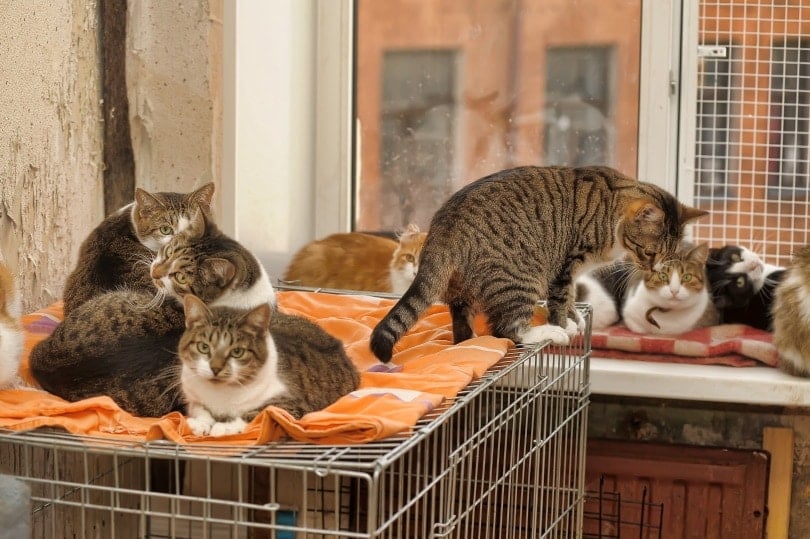
For those looking to get involved, the best course of action is to support local shelters through volunteering, donations, or by choosing to adopt rather than shop. As the region continues to address this pressing issue, community awareness remains the most effective tool in reducing the number of animals that find themselves without a home. We invite our readers to share their thoughts on how urban centers can better support pet owners and animal welfare organizations in the comments section below.