
Navigating the OWASP Top 10 in the Era of AI-Driven Development
In the fast-evolving landscape of software engineering, the Open Web Application Security Project (OWASP) Top 10 remains the industry’s most referenced benchmark for web application security. As organizations pivot toward rapid development cycles and increasingly rely on AI-assisted coding tools, the guidance provided by this framework has become more critical than ever. For security professionals and developers alike, understanding how these vulnerabilities shift in response to modern coding practices—often colloquially termed “vibe-coding”—is essential for maintaining robust security postures.
The OWASP Top 10, first released in 2003, serves as a standard awareness document for developers and web application security professionals. It represents a broad consensus about the most critical security risks to web applications. Today, the project has expanded its focus beyond traditional code flaws to address the complexities of the modern software supply chain, ensuring that security remains a foundational element of the development lifecycle rather than an afterthought.
Shifting Focus: From Components to Supply Chain Security
Historically, much of the industry’s attention regarding the OWASP Top 10 centered on direct code vulnerabilities. However, the scope has widened significantly to address the software supply chain. This shift reflects a reality where modern applications are rarely built from scratch. instead, they rely heavily on open-source libraries, third-party APIs, and complex deployment pipelines. The official OWASP Top 10 documentation highlights that security must be integrated at every stage of this dependency-heavy environment.
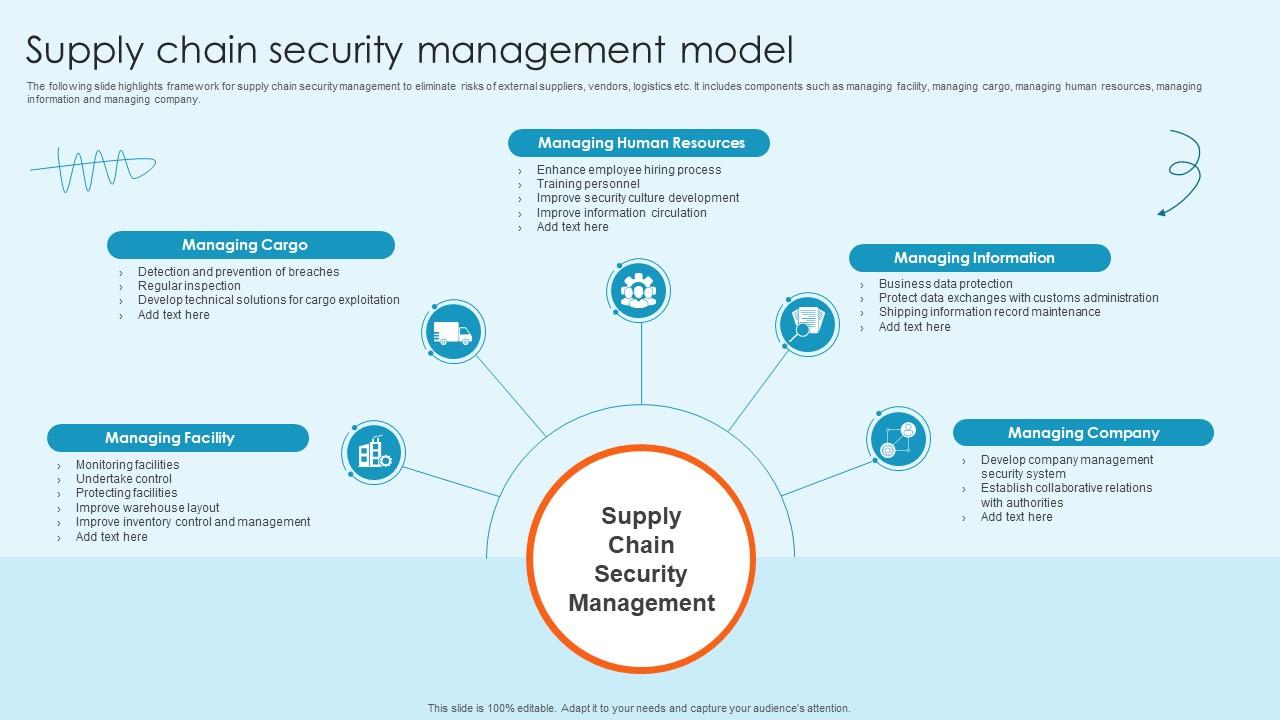
The transition from focusing solely on “outdated components”—which refers to the use of software with known vulnerabilities—to a broader supply chain perspective acknowledges that an application is only as secure as its weakest dependency. Organizations are now encouraged to implement comprehensive Software Bill of Materials (SBOM) practices to gain visibility into what is running in their production environments. This proactive approach helps mitigate risks long before a vulnerability can be exploited in the wild.
The Rise of AI and “Vibe-Coding”
As developers increasingly use generative AI tools to write, debug, and refactor code, the industry has coined the term “vibe-coding”—a shorthand for a workflow where developers rely on AI to generate functional code based on high-level prompts, sometimes without fully auditing the underlying logic or security implications. While this can drastically increase productivity, it also introduces unique risks that the security community is working to categorize.
The inclusion of memory safety and the rise of AI-generated code as awareness items in recent discussions marks a significant evolution in how OWASP approaches security education. When developers rely on AI to “get the vibe right,” they may inadvertently introduce security regressions or ignore established secure coding patterns. The goal of the OWASP community is to ensure that while the speed of development accelerates, the rigor of security testing does not diminish.
Key Security Considerations for Modern Teams
For engineering teams operating in this new environment, the following areas have become central to maintaining compliance and security standards:
- Memory Safety: As systems move toward more complex architectures, ensuring memory safety remains a primary defense against common exploits like buffer overflows.
- Supply Chain Integrity: Regularly auditing third-party dependencies is no longer optional; We see a fundamental requirement for modern software development.
- AI Code Review: Treating AI-generated code with the same scrutiny as human-written code is critical. Automated security scanning tools should be integrated into CI/CD pipelines to catch potential issues introduced by LLMs.
- Security Awareness: Continuous training is vital. As the tools change, so must the mindset of the developers using them.
Looking Ahead
The OWASP Top 10 continues to evolve, reflecting the changing realities of the tech industry. As we look toward future updates, the focus will likely remain on balancing the efficiency of modern development tools with the necessity of hardened security protocols. Organizations should look to the official OWASP project pages for the most up-to-date guidance, whitepapers, and community discussions regarding these trends.
Staying informed is the first line of defense. By participating in the OWASP community and adhering to established best practices, developers can navigate the complexities of AI-assisted development without compromising the integrity of their applications. We encourage readers to share their experiences with integrating AI tools into their security workflows in the comments below.