
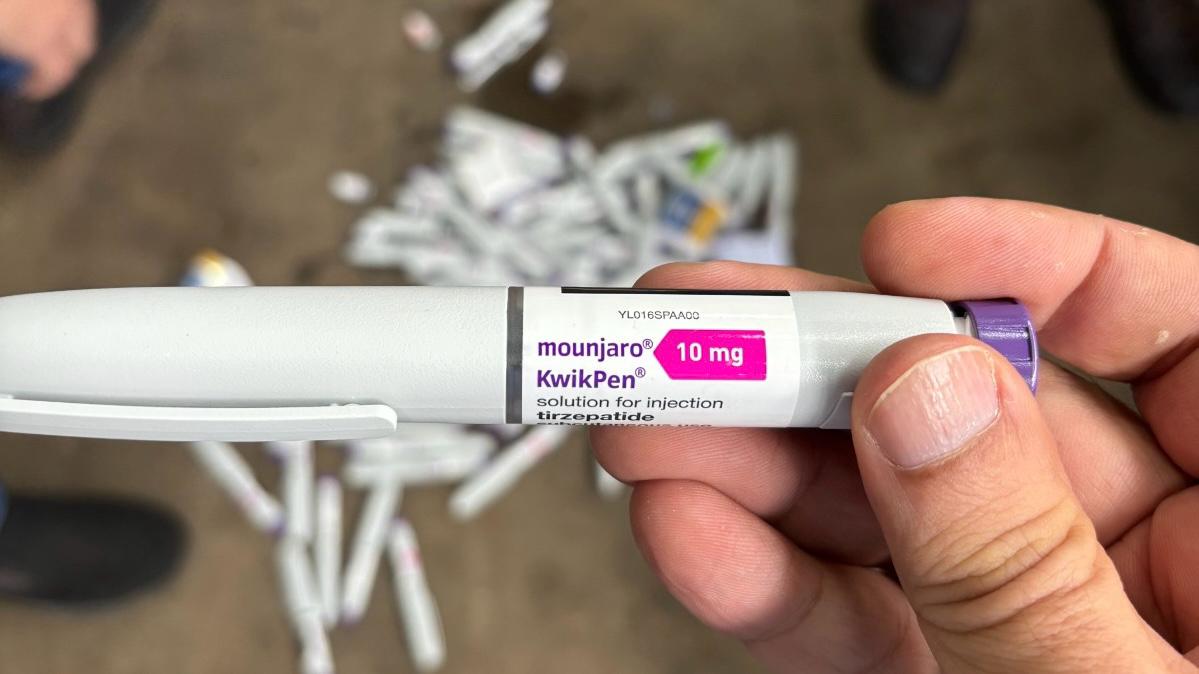
Brazilian consumers are increasingly seeking prescription-only medications online without medical oversight, with recent data indicating that search queries for controlled substances—including weight-loss “pens” and psychiatric drugs—surpassed 2 million in a single year. These digital searches, which frequently bypass the mandatory requirement for a physician’s prescription, highlight a growing public health challenge regarding the regulation of pharmaceutical access and the risks of self-medication in the Brazilian market.
According to the Brazilian Health Regulatory Agency (ANVISA), the sale of controlled medications requires a specialized prescription, known as a “receita de controle especial,” to ensure that patients are monitored for potential side effects and contraindications. Despite these legal safeguards, the high volume of online interest suggests that many individuals are attempting to acquire medications like semaglutide (often marketed as Ozempic or Wegovy) and tirzepatide (Mounjaro) through informal or unregulated channels, according to market monitoring reports.
The Rise of Unregulated Searches for Weight-Loss Drugs
The popularity of injectable weight-loss medications has surged globally, but this demand has also fueled a significant rise in unauthorized search behavior. Data suggests that search volume for substances like semaglutide and tirzepatide remains high, as patients seek these treatments for obesity management outside of clinical settings. These medications are classified as prescription-only in Brazil, and their use without medical supervision carries significant risks, including gastrointestinal complications and, in some cases, severe metabolic imbalances, as noted by the Oswaldo Cruz Foundation (Fiocruz), a leading public health research institution in Brazil.

The trend is not limited to weight-loss treatments. Analysis of search trends shows that a substantial portion of these 2 million queries involves psychiatric medications, such as sertraline and various stimulants, which are also subject to strict regulatory control. The use of antidepressants and anxiolytics without a formal diagnosis from a licensed psychiatrist can lead to ineffective treatment of underlying conditions or the exacerbation of mental health symptoms.
Risks of Self-Medication and Regulatory Enforcement
Self-medication poses a multifaceted risk to public health. When patients obtain controlled substances without a prescription, they lose the essential safety net provided by a physician, who is responsible for adjusting dosages and monitoring for adverse drug reactions. The Brazilian government maintains guidelines on the safe use of medications, emphasizing that only drugs categorized as “over-the-counter” (isentas de prescrição) are considered safe for purchase without professional guidance. Controlled substances, by definition, do not fall into this category due to their potential for misuse or physical dependence.
In response to the proliferation of online pharmaceutical sales, ANVISA regularly monitors pharmacies and digital platforms to ensure compliance with the Law No. 6.360/1976, which dictates the surveillance of medicines and health products. The agency has intensified its efforts to identify illegal sales, often coordinating with local law enforcement to shut down unauthorized distribution networks. However, the sheer volume of search traffic indicates that the demand for these drugs continues to outpace current enforcement capabilities.
Understanding the Legal Requirements for Controlled Substances
For patients and caregivers, understanding the legal framework is essential for safety. In Brazil, controlled medications are categorized into specific lists (Listas de Substâncias Entorpecentes, Psicotrópicas, Precursoras e Outras sob Controle Especial) maintained by the Ministry of Health. Any pharmacy dispensing these drugs without a retention copy of the prescription is in violation of federal law.
For those seeking information on whether a specific medication requires a prescription, the ANVISA official drug database provides a comprehensive search tool. This resource allows users to verify the registration status and the required prescription level for any pharmaceutical product sold within the country. Consulting a healthcare provider remains the only safe way to evaluate the necessity of weight-loss or psychiatric therapies.
Practical Guidance for Patients
If you or someone you know is considering the use of medication for weight management or mental health, follow these steps to ensure safety:
- Consult a Licensed Physician: Never initiate a treatment plan for controlled substances based on information found online. A doctor must evaluate your full medical history.
- Verify the Source: Only purchase medications from licensed brick-and-mortar pharmacies or authorized online retailers that require a digital prescription validation.
- Check for ANVISA Registration: Ensure the product has an active registration number on the official ANVISA portal, which confirms the drug has undergone rigorous testing for safety and efficacy.
- Report Irregularities: If you encounter a website or store selling controlled medications without requiring a prescription, you can report the establishment directly through the ANVISA contact channels.
The next official update regarding pharmaceutical regulatory compliance is expected in the coming quarter, as ANVISA continues its scheduled audit of digital pharmaceutical sales. Readers are encouraged to share this information with their communities to promote safer medication practices. Comments and questions regarding public health policies are welcomed below.