
Indian Tycoon Offers Refuge to Pablo Escobar’s Condemned Hippos
A remarkable offer has emerged in the ongoing saga of the hippopotamuses descended from Pablo Escobar’s private collection in Colombia. An Indian billionaire, whose name has not been officially released by Colombian authorities, has proposed to provide a sanctuary for up to 80 of the animals, potentially averting a controversial government plan to cull the growing population. The offer comes as Colombia grapples with the ecological challenges posed by the hippos, deemed an invasive species, and seeks a solution to a problem rooted in the legacy of the notorious drug lord.
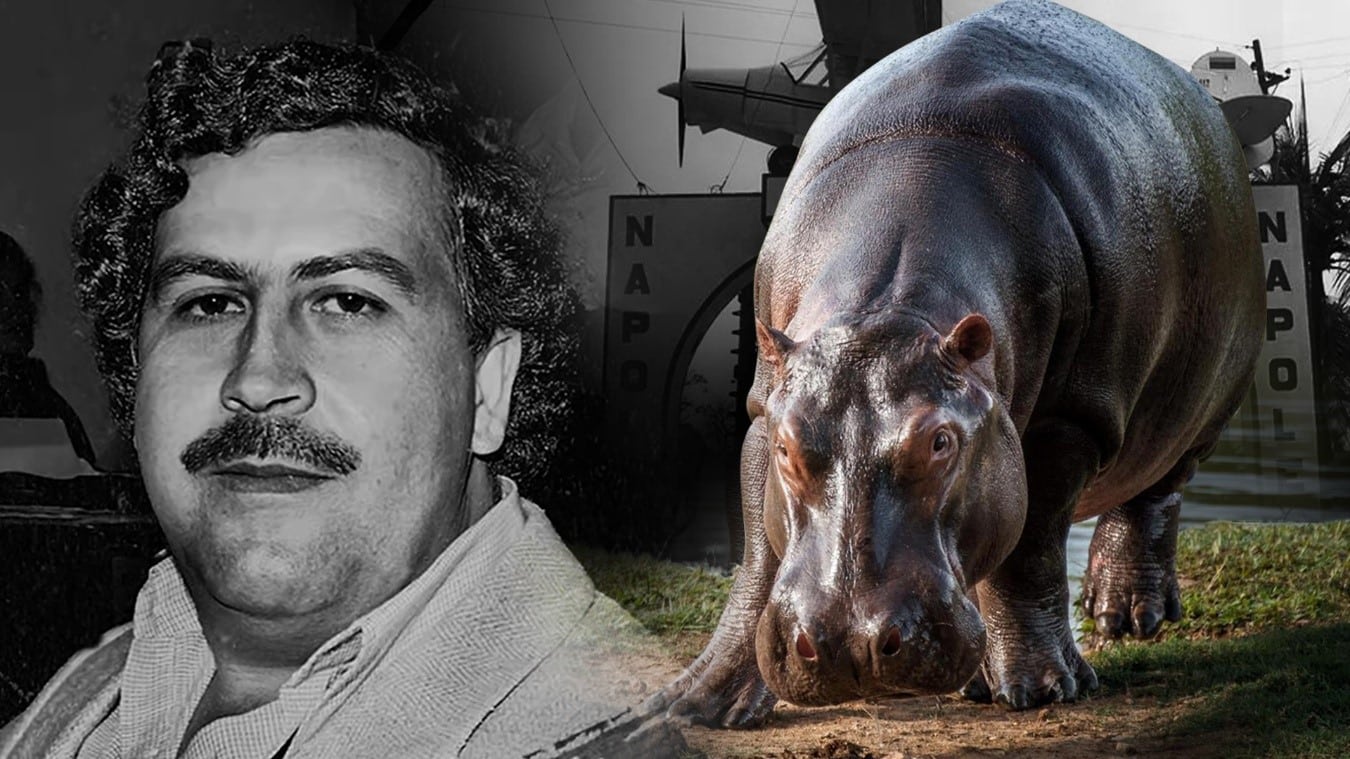
The hippos, originally brought to Colombia in the 1980s by Escobar for his private zoo at the Hacienda Nápoles estate, have thrived in the country’s warm climate and abundant waterways. Following Escobar’s death in 1993, the animals were left to roam freely, and their numbers have steadily increased through natural reproduction. Estimates suggest the population has grown to around 169 individuals, raising concerns about their impact on the local ecosystem and potential threats to human safety. The situation presents a complex conservation challenge, balancing animal welfare with environmental protection and public security.
The Colombian government, under pressure from environmental groups and local communities, had been considering a plan to euthanize a significant portion of the hippo population. This decision, announced in March 2024, sparked international outcry from animal rights activists who argued for alternative solutions, such as sterilization, and relocation. The proposed culling was intended to control the population growth and mitigate the ecological damage caused by the hippos, which include altering river ecosystems and posing a risk to native species. The government maintained that all options were being explored, but the scale of the problem and the logistical difficulties of relocation made euthanasia appear increasingly likely.
A Sanctuary in India: Details of the Offer
The offer from the Indian tycoon, first reported by The Guardian, proposes establishing a dedicated sanctuary within the billionaire’s private zoo. While the name of the individual has not been officially confirmed by Colombian authorities, reports indicate the offer includes covering all transportation and long-term care costs for the hippos. The exact location of the proposed sanctuary in India remains undisclosed, but it is understood to be a facility equipped to handle large animals and provide a suitable habitat for the hippos to thrive. The offer represents a significant financial commitment and a potential lifeline for the animals facing imminent danger in Colombia.
According to reports, the Indian billionaire’s representatives have already engaged in preliminary discussions with Colombian government officials regarding the logistics of the relocation. These discussions are focusing on the complex challenges of safely transporting the hippos, which are large and potentially dangerous animals, across continents. The process would involve specialized equipment, veterinary expertise, and careful planning to minimize stress and ensure the well-being of the animals during the journey. The Colombian government has acknowledged receiving the offer and is currently evaluating its feasibility.
The logistical hurdles are substantial. Hippos are notoriously challenging to transport due to their size and temperament. Sedation and careful handling are crucial to prevent injury to both the animals and the personnel involved. The journey itself would require specialized containers and transportation methods, likely involving both air and sea freight. Quarantine procedures would need to be implemented upon arrival in India to ensure the hippos are free from diseases and parasites that could pose a threat to the local ecosystem.
The Ecological Impact and Controversy Surrounding the Hippos
The presence of hippos in Colombia is a direct consequence of Pablo Escobar’s extravagant lifestyle and his penchant for exotic animals. Escobar imported the initial herd of hippos, along with other animals like giraffes and elephants, to stock his private zoo at the Hacienda Nápoles. After his death, most of the animals were either donated to zoos or sold, but the hippos proved particularly adaptable to the Colombian environment and were able to reproduce successfully. This unintended consequence has created a unique and challenging conservation problem.
Ecologists have raised concerns about the hippos’ impact on the Magdalena River basin, where they have established themselves. Hippos are herbivores and consume large quantities of vegetation, which can alter the structure of riverbanks and affect the availability of food for native species. Their waste also contributes to nutrient pollution, potentially disrupting the delicate balance of the aquatic ecosystem. Hippos are territorial and can be aggressive, posing a potential threat to humans who venture too close to their habitat. Scientific American details the ecological concerns surrounding the hippos’ presence in Colombia.
The debate over how to manage the hippo population has been highly polarized. Animal rights groups have vehemently opposed the culling plan, arguing that it is a cruel and inhumane solution. They advocate for non-lethal methods, such as sterilization and relocation, to control the population. Still, critics of these alternatives point to their high cost and logistical challenges. Sterilization is a complex and invasive procedure that requires repeated interventions, while relocation is limited by the availability of suitable habitats and the potential for the hippos to become invasive in other regions. The Colombian government has maintained that it is committed to finding the most ethical and effective solution, but acknowledges the difficult trade-offs involved.
Government Response and Future Prospects
The Colombian government’s initial decision to authorize the culling of hippos was based on recommendations from the Institute of Environmental Sciences of the University of Antioquia, which concluded that the animals posed a significant ecological threat. The government argued that the culling was necessary to protect the native biodiversity of the Magdalena River basin and prevent further environmental damage. However, the plan faced strong opposition from animal welfare organizations and international conservation groups, who launched campaigns to raise awareness and pressure the government to reconsider.
The arrival of the Indian tycoon’s offer has injected a modern dynamic into the situation. Colombian Environment Minister Susana Muhamad has stated that the government is “carefully evaluating” the proposal, taking into account the logistical challenges, financial implications, and potential benefits for the hippos. A team of experts is being assembled to assess the suitability of the proposed sanctuary in India and to develop a detailed plan for the relocation process. The government is also seeking input from international conservation organizations and animal welfare experts to ensure that the relocation is carried out in a responsible and ethical manner.
While the offer represents a promising development, several hurdles remain. The Colombian government must obtain the necessary permits and approvals for the export of the hippos, and it must ensure that the relocation process complies with international animal welfare standards. The Indian government must also grant permission for the import of the hippos and provide assurances that the sanctuary is adequately equipped to care for them. The timeline for the relocation remains uncertain, but officials hope to have a definitive plan in place within the next few months.
Key Takeaways
- An Indian billionaire has offered to relocate up to 80 hippos from Colombia to a private sanctuary in India.
- The offer comes as Colombia considers culling the hippos, deemed an invasive species descended from Pablo Escobar’s collection.
- The relocation presents significant logistical challenges, including the safe transportation of the animals and ensuring their well-being.
- The Colombian government is evaluating the offer and seeking input from experts to determine its feasibility.
- The situation highlights the complex conservation challenges posed by invasive species and the ethical dilemmas surrounding wildlife management.
The next step in this evolving situation will be the Colombian government’s official response to the Indian tycoon’s offer, expected within the next month. Further updates will likely be provided by the Ministry of Environment and Sustainable Development. Readers interested in following this story are encouraged to check back for updates and share their thoughts in the comments section below.
Worth a look