
Berlin, May 12, 2026 — In a move that could redefine pandemic preparedness in Latin America and the Caribbean, the Pan American Health Organization (PAHO) today announced a historic agreement with pharmaceutical giant CSL Seqirus to secure a reserved share of pandemic influenza vaccine production for the region. The deal, signed in Washington, D.C., establishes a mechanism that guarantees participating countries priority access to critical vaccine doses during future influenza outbreaks, marking a direct response to the inequities exposed by COVID-19.
This initiative builds on PAHO’s broader strategy to strengthen regional health security, which includes expanding vaccine manufacturing capacity and improving pharmacovigilance systems. With influenza pandemics remaining a persistent global threat—especially as seasonal strains evolve—this agreement ensures that countries in the Americas will no longer face the same supply chain vulnerabilities that left many nations scrambling for vaccines during the early months of the COVID-19 pandemic.
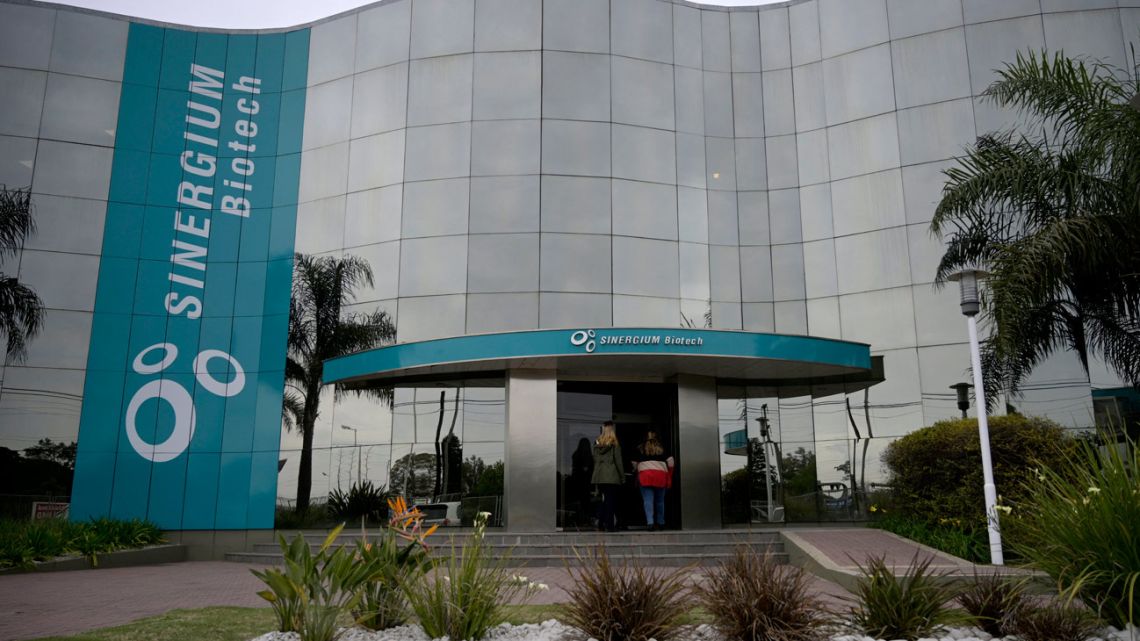
The reserved vaccine supply is part of a larger framework that includes technology transfer efforts, with production partially based in Argentina through a collaboration with Sinergium Biotech. This local manufacturing component not only bolsters supply chain resilience but also aligns with PAHO’s long-standing work to decentralize vaccine production across the region.
Why This Agreement Matters: Lessons from COVID-19
The COVID-19 pandemic laid bare critical gaps in global vaccine equity. While high-income countries secured early access to vaccines, many Latin American and Caribbean nations faced delays, shortages, and logistical hurdles that exacerbated health disparities. This new agreement directly addresses those failures by:
- Guaranteeing reserved doses: Participating countries will have access to a fixed percentage of CSL Seqirus’s global pandemic influenza vaccine output, ensuring they are not left behind in future crises.
- Strengthening regional production: By partnering with Argentina’s Sinergium Biotech, the initiative fosters local manufacturing capacity, reducing reliance on distant supply chains.
- Enhancing equitable access: The PAHO Regional Revolving Funds will facilitate coordinated procurement, allowing smaller countries to pool resources and secure vaccines more efficiently.
“This agreement is a direct response to the hard lessons of COVID-19 and a major step forward in strengthening health security across the Americas,” said PAHO Director Dr. Jarbas Barbosa, emphasizing the organization’s commitment to “protect those at risk when it matters most.” The deal follows a five-year Memorandum of Understanding between PAHO and the Coalition for Epidemic Preparedness Innovations (CEPI), which has already supported regulatory and pharmacovigilance capacity-building in the region.
How the Vaccine Reservation Mechanism Works
The agreement operates through a three-pronged approach:
1. Reserved Dose Allocation
CSL Seqirus will allocate a predetermined share of its pandemic influenza vaccine production specifically for PAHO Member States. While the exact percentage has not been publicly disclosed, the framework ensures that participating countries can access an initial reserved allocation of vaccines during outbreaks, with options to scale up as needed. This model mirrors successful pandemic preparedness strategies used in other regions, such as the European Union’s vaccine procurement agreements.
2. Regional Manufacturing Hub in Argentina
To enhance supply chain resilience, a portion of the vaccine production will take place in Argentina, leveraging the capabilities of Sinergium Biotech. This local manufacturing not only reduces shipping delays but also supports job creation and technology transfer in the region. “This is a testament to how public-private partnerships can drive innovation and local capacity,” noted David Ross, Executive Vice President and General Manager of CSL Seqirus.
3. PAHO’s Revolving Funds for Equitable Access
PAHO’s Regional Revolving Funds will play a crucial role in ensuring that smaller or lower-income countries can participate in the agreement. These funds allow countries to contribute to a pooled resource, which is then used to secure vaccines at scale. The mechanism has already been successfully deployed for seasonal influenza vaccines, and this expansion into pandemic preparedness represents a significant leap forward.
Broader Context: PAHO’s Pandemic Preparedness Strategy
This vaccine reservation agreement is part of a broader effort by PAHO to bolster pandemic preparedness across the Americas. Recent initiatives include:
- Strengthening regulatory systems: PAHO and CEPI have expanded their partnership to improve vaccine evaluation and approval processes, enabling faster but safer responses to outbreaks. This includes workforce training and collaboration among national regulatory authorities.
- Enhancing pharmacovigilance: With up to $3 million in funding from CEPI over 24 months, PAHO is upgrading vaccine safety monitoring systems to detect adverse events early and build public trust.
- Addressing other health threats: PAHO continues to monitor and respond to ongoing outbreaks, including seasonal influenza, mpox, and yellow fever, demonstrating the region’s proactive approach to public health.
What Happens Next: Key Checkpoints and Reader Resources
The next steps for this agreement include:
- Implementation of reserved dose mechanisms: CSL Seqirus and PAHO will finalize the operational details for vaccine allocation, including how countries will access their reserved shares during an outbreak.
- Expansion of regional manufacturing: Sinergium Biotech in Argentina will scale up production capacity, with potential for additional manufacturing hubs in other Latin American countries.
- Public health communications: PAHO will launch campaigns to educate populations about the importance of pandemic preparedness and the role of reserved vaccines in protecting communities.
For readers seeking official updates, the following resources are available:
- PAHO’s official website for press releases, epidemiological updates, and partnership announcements.
- CEPI’s news and initiatives on vaccine development and regulatory strengthening.
- CSL Seqirus’s pandemic preparedness programs, including their influenza vaccine portfolio.
Key Takeaways
- The PAHO-CSL Seqirus agreement ensures Latin America and the Caribbean will have priority access to pandemic influenza vaccines, addressing COVID-19-era inequities.
- Regional manufacturing in Argentina (via Sinergium Biotech) enhances supply chain resilience and local capacity.
- PAHO’s Revolving Funds enable smaller countries to participate equitably in vaccine procurement.
- The deal is part of a broader strategy to strengthen regulatory systems, pharmacovigilance, and pandemic preparedness in the Americas.
- Next steps include operationalizing the reserved dose mechanism and expanding local production.
As global health leaders continue to grapple with the uncertainties of emerging pathogens, this agreement serves as a model for how international organizations and private sector partners can collaborate to safeguard public health. For Latin America and the Caribbean, it represents a critical step toward ensuring that no community is left vulnerable in the face of the next pandemic.
What do you think about this new pandemic preparedness strategy? Share your thoughts in the comments below or on our social media channels. For more updates on global health policy, subscribe to World Today Journal.
Keep reading