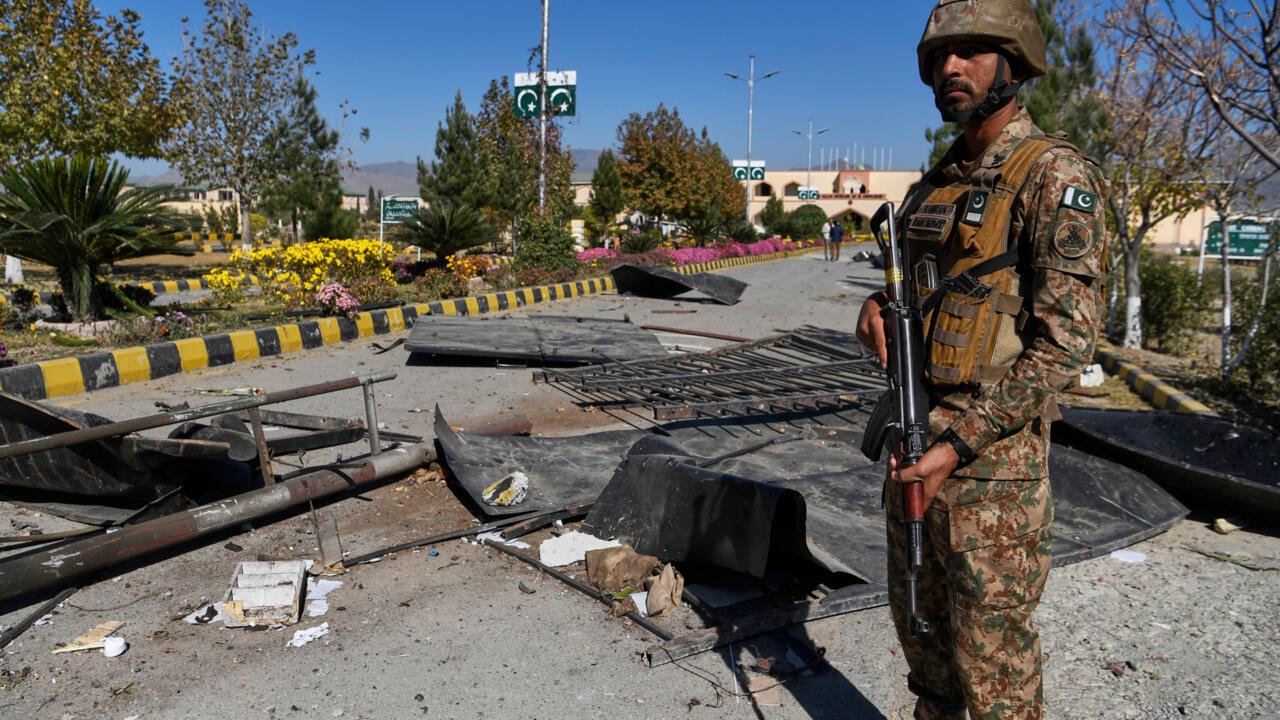
Tensions flare: Border Clashes Erupt Between Pakistan and Afghanistan
Recent exchanges of fire along the Pakistan-Afghanistan border signal a worrying escalation in already strained relations between the two South Asian nations.The incidents, occurring late Friday, follow closely on the heels of unsuccessful peace talks aimed at de-escalating tensions. While immediate reports indicate no casualties, the clashes underscore the fragility of the current ceasefire.
A Cycle of Accusations
Reports from both sides paint conflicting narratives. Afghan Taliban officials claim Pakistani forces initiated attacks in the Spin Boldak district of Kandahar province. Conversely, a Pakistani government spokesperson alleges Afghan forces engaged in “unprovoked firing” near the Chaman border crossing.
Pakistan has consistently maintained a state of high alert, reaffirming its commitment to protecting its territorial integrity and citizens. This latest exchange arrives just days after a new round of peace negotiations in Saudi Arabia concluded without a significant breakthrough. Despite the lack of progress, both countries agreed to uphold the existing, though precarious, ceasefire.
History of Conflict & Underlying Issues
These talks represent the latest effort in a series of meetings – previously hosted by Qatar and Turkey – designed to cool tensions following deadly border clashes last October. Those clashes marked the most severe violence along the border since the Taliban’s rise to power in Afghanistan in 2021, resulting in dozens of fatalities.
At the core of this dispute lies a serious accusation from Islamabad. pakistani authorities assert that militants operating from Afghan territory are responsible for recent attacks within Pakistan, including devastating suicide bombings carried out by Afghan nationals. Kabul vehemently denies these charges, stating it cannot be held accountable for security matters within Pakistan’s borders.
What this means for You
If you’re following regional security developments, understanding the dynamics between Pakistan and Afghanistan is crucial. The potential for further escalation carries significant implications for regional stability and counterterrorism efforts. Here’s a breakdown of key concerns:
* Cross-Border Terrorism: Pakistan’s concerns about militant groups operating from Afghanistan are legitimate and require a collaborative solution.
* Fragile Ceasefire: The current ceasefire is tenuous and could easily unravel without sustained diplomatic engagement.
* Humanitarian Impact: Continued conflict will inevitably exacerbate the humanitarian challenges faced by communities along the border.
* Regional Instability: A prolonged crisis could destabilize the broader South Asian region,impacting trade,security,and development.
The situation remains fluid and requires careful monitoring. A lasting resolution will necessitate open dialog, mutual trust, and a commitment to addressing the root causes of the conflict. It’s a complex challenge, but one that demands urgent attention to prevent further loss of life and safeguard regional peace.