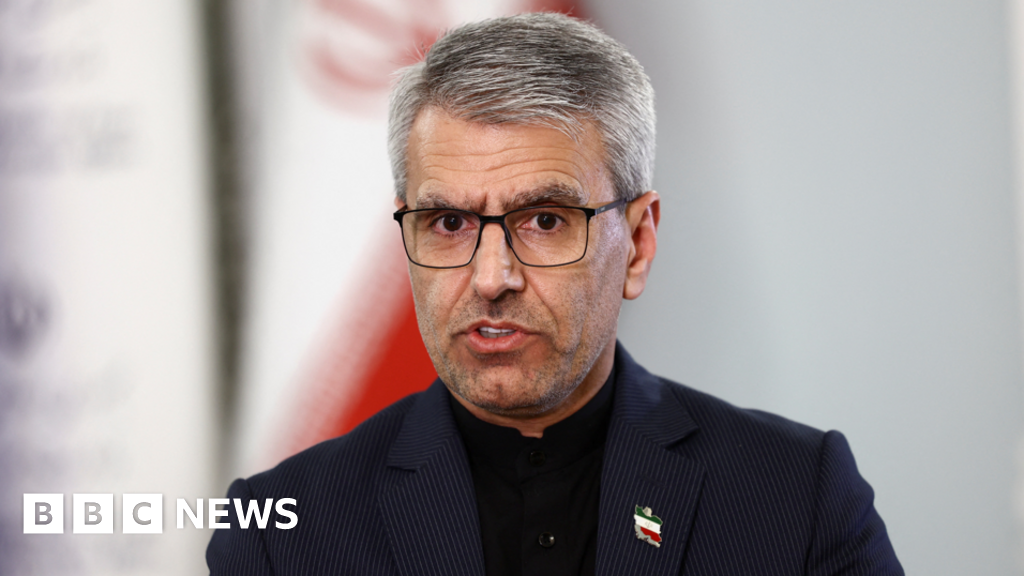
As the United States and Iran stand at a fragile crossroads in their prolonged conflict, diplomatic efforts are intensifying to transform a temporary ceasefire into a lasting peace. With Pakistan playing a pivotal role as a mediator, the stakes could not be higher: the potential to end a war that has claimed countless lives and reshaped global geopolitics. The latest developments—including U.S. President Donald Trump’s assertion that any resumed hostilities would be “over quickly” and Iran’s reported consideration of a U.S. Proposal—suggest a rare moment of opportunity for de-escalation. But the path forward remains uncertain, with regional allies, international observers and domestic pressures all shaping the outcome.
Pakistan’s Deputy Prime Minister and Foreign Minister, Ishaq Dar, has framed the current ceasefire as a hard-won achievement, emphasizing that his government’s efforts are now focused on making it permanent. Speaking at a high-profile conference in Islamabad earlier this week, Dar highlighted how the ceasefire—initially brokered for just two weeks—has been extended multiple times, most recently made indefinite by Trump. “At least the deaths of several hundred people a day—with the toll going into the thousands—has stopped,” Dar noted, underscoring the human cost of the conflict. His remarks came as Pakistan positioned itself as the linchpin in facilitating direct negotiations between Washington and Tehran, a diplomatic breakthrough after 47 years of estrangement.
Yet even as the ceasefire holds, the underlying tensions persist. The U.S. Has signaled a willingness to engage, with Trump’s recent comments suggesting a hardened stance should talks collapse. Meanwhile, Iran’s response to any U.S. Proposal remains a critical unknown. Analysts warn that whereas the ceasefire has bought time, the absence of a formal peace agreement leaves both sides vulnerable to renewed violence—or further diplomatic missteps. The question now is whether this moment of relative calm can be seized to address the root causes of the conflict, or if it will slip away, leaving behind a fragile and temporary truce.
Trump’s Warning and Iran’s Calculus
In a statement that sent ripples through global capitals, Trump declared that if the U.S. And Iran were to return to open warfare, “it will be over quickly.” The remark, made during a closed-door meeting with allies, was interpreted by some as a veiled threat of rapid military escalation, while others saw it as a tactical maneuver to pressure Iran into accepting U.S. Terms. What is clear is that Trump’s administration is treating the ceasefire as a negotiating tool rather than an end in itself.
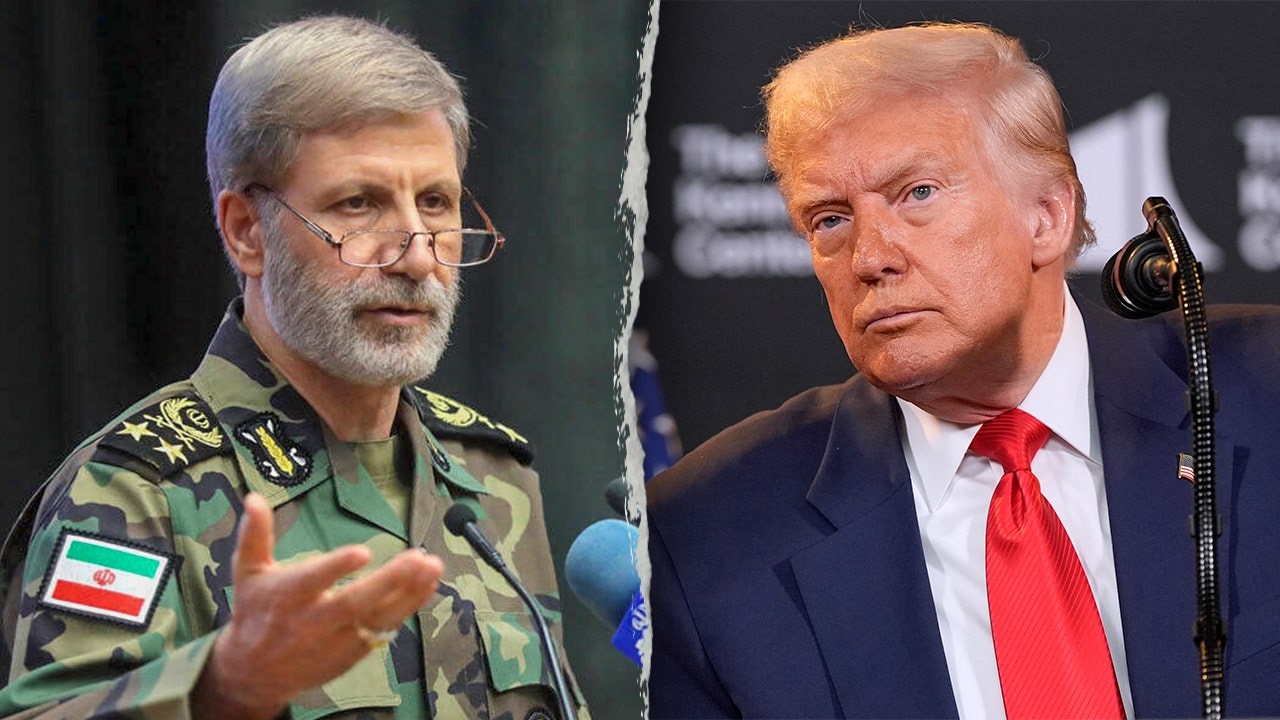
For Iran, the calculus is equally complex. The country has faced severe economic strain from sanctions and the war’s spillover effects, but its leadership must also consider domestic politics, regional alliances, and the potential for further isolation if it concedes too much. Reports indicate that Tehran is actively considering a U.S. Proposal, though no details have been publicly confirmed. The absence of transparency raises questions about whether any agreement would address the core issues—such as missile programs, regional proxies, and mutual security guarantees—or merely paper over immediate crises.
One factor complicating negotiations is the role of third parties. Pakistan’s Dar has stressed the importance of unity among Muslim states, framing the ceasefire as a test of regional solidarity. Although, divisions among Gulf allies, Turkey’s shifting stance, and China’s growing influence in the Middle East add layers of complexity. Without coordinated pressure or incentives, the risk of backsliding remains high.
Pakistan’s Diplomatic Gamble
Pakistan’s involvement in brokering the ceasefire marks a rare diplomatic triumph for a nation often caught between superpower rivalries. Dar’s government has framed its mediation as a neutral effort, though skeptics note Islamabad’s historical ties to both the U.S. And Iran. The country’s nuclear status and strategic location build it a natural convener, but the success of its current push hinges on whether it can maintain its perceived impartiality.
In his public remarks, Dar avoided specifying the content of the U.S.-Iran talks, instead emphasizing the process of dialogue. “First it happened, then it was extended, then extended a second time, then a third time,” he recounted, describing the ceasefire’s evolution. The indefinite extension, he suggested, was a sign of excellent faith—but also a test of whether both sides are willing to move beyond temporary pauses to a durable settlement.
Pakistan’s strategy appears to be twofold:
- Leveraging the ceasefire as proof that diplomacy can work, even between adversaries with deep historical grievances.
- Positioning itself as the indispensable intermediary, given its access to both Washington and Tehran.
However, the challenge lies in translating these diplomatic wins into concrete results. Without a clear roadmap for peace talks—or a shared understanding of what “permanent peace” entails—the risk of renewed conflict looms.
What’s Next? Key Checkpoints and Uncertainties
The next critical phase will depend on three key developments:
- Iran’s formal response to any U.S. Proposal. If Tehran signals willingness to engage, the focus will shift to substantive negotiations. If not, the ceasefire’s indefinite status could become a source of tension rather than stability.
- Trump’s follow-through on his “over quickly” remark. Military threats, even rhetorical ones, could undermine trust and push Iran toward harder lines.
- Pakistan’s ability to sustain momentum. Dar’s government will need to balance its role as mediator with domestic pressures, including economic crises and political instability.
For now, the international community is watching closely. The United Nations has called for sustained diplomatic efforts, while regional powers like Saudi Arabia and Turkey have issued cautious statements of support for Pakistan’s role. Yet without a clear timeline or public benchmarks, the risk of deadlock—or worse, a return to violence—remains.
Why This Matters: The Human and Geopolitical Stakes
The U.S.-Iran conflict has had ripple effects far beyond the two nations involved. Economic fallout has disrupted global oil markets, supply chains, and financial systems, while regional instability has fueled refugee crises, terrorist activity, and proxy wars across the Middle East. The ceasefire, however temporary, has provided a brief respite—but the absence of a permanent solution leaves these underlying issues unresolved.

For ordinary citizens in Iran, the U.S., and neighboring countries, the stakes are personal. Families separated by war, economies strained by sanctions, and communities living in fear of renewed airstrikes all stand to benefit—or suffer—from the outcome of these talks. The human cost of failure is impossible to ignore.
Meanwhile, the geopolitical implications are profound. A lasting peace could realign alliances, reduce tensions in the Red Sea and Gulf regions, and open new avenues for cooperation on shared challenges like climate change and terrorism. But if the ceasefire collapses, the risk of a broader regional conflict—one that could draw in other major powers—becomes alarmingly real.
What Happens Now?
The next confirmed checkpoint is the May 15 deadline set by U.S. And Iranian officials for a formal response to any ceasefire extension proposals. While no public hearings or joint statements have been scheduled, diplomatic sources indicate that backchannel negotiations are ongoing. Pakistan’s foreign ministry has not yet issued an official update on the status of talks, but Dar’s recent remarks suggest that his government remains engaged.
For readers seeking updates, the following resources provide authoritative tracking:
- U.S. State Department briefings on Middle East developments.
- Pakistan’s Ministry of Foreign Affairs for statements on mediation efforts.
- UN General Assembly resolutions on ceasefire extensions.
As the world watches, one thing is certain: the window for a lasting resolution is narrow. Whether this moment of calm leads to peace—or slips into history as a fleeting pause—will depend on the choices made in the coming weeks.
What do you think? Will the ceasefire hold, or is a return to conflict inevitable? Share your thoughts in the comments below—and don’t forget to follow World Today Journal for ongoing coverage of this critical story.
Worth a look