
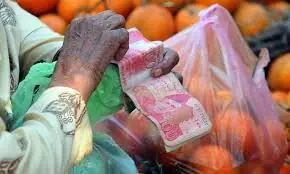
Pakistan’s government anticipates a reduction in inflationary pressure during the upcoming fiscal year, driven by the expected stabilization of global energy prices following the opening of the Strait of Hormuz and a broader cooling of geopolitical tensions in the Middle East. While inflation reached a peak of 12pc in June, officials project that improved supply chains and a moderation in crude oil costs will help lower domestic fuel and transportation expenses, according to the Ministry of Finance’s June 2026 Monthly Economic Update and Outlook.
The ministry’s assessment comes as the country concludes the 2025-26 fiscal year with a reported real GDP growth rate of 3.7pc, a figure the government identifies as the highest in four years. With the national economy now valued at $452.1 billion, policymakers are banking on a combination of fiscal consolidation and export-led growth to maintain momentum throughout the 2026-27 period.
Economic Stabilization and Growth Indicators
According to official data released by the Ministry of Finance, Pakistan entered the new fiscal year on a firmer footing, characterized by a primary surplus of 3.5pc of GDP recorded between July 2025 and April 2026. This fiscal discipline was supported by provincial surpluses and enhanced revenue mobilization efforts. The external sector also showed resilience, with the current account recording a surplus of $255 million during the period of July 2025 to May 2026.

The government attributes this stability to a “broad-based” recovery across the agriculture, industry, and services sectors. Increased large-scale manufacturing (LSM) output and record workers’ remittances in May 2026 have been cited as primary drivers for the strengthening of foreign exchange reserves. These inflows, alongside continued growth in IT exports, are expected to provide a buffer against potential external economic shocks in the coming months.
Impact of Geopolitical Shifts on Energy Costs
The central pillar of the government’s inflation-easing strategy rests on the assumption that the recent US-Iran ceasefire will lead to a sustained reduction in global crude oil prices. As a net importer of energy, Pakistan has faced significant pressure on its external account due to volatile commodity markets throughout the previous year. The Ministry of Finance noted that the opening of the Strait of Hormuz is expected to normalize shipping routes and stabilize energy supply chains, directly impacting the country’s oil import bill.
While the Consumer Price Index (CPI) remained in the 11-12pc range for June, the government maintains that the moderation of global energy prices will likely translate into lower domestic fuel costs. This transition is intended to complement the government’s broader “pro-business environment” strategy, which aims to reduce the cost of doing business and encourage private investment.
Market Confidence and International Standing
Investor confidence in Pakistan’s economic trajectory has been bolstered by the country’s continued engagement with the IMF-supported Extended Fund Facility and Resilience and Sustainability Facility programmes. The government points to credit rating upgrades from agencies such as Fitch and Moody’s as evidence of improved macroeconomic stability.
These developments have facilitated Pakistan’s re-entry into international capital markets. Following a four-year hiatus, the government successfully issued a Eurobond and launched a Panda Bond, signaling increased appetite for Pakistani sovereign debt. Simultaneously, the KSE-100 Index has reached an all-time high and remained among the fastest-growing markets in Asia.
Future Policy Outlook
The Budget 2026-27 is designed to consolidate these gains, with a strategic focus on export-led growth and targeted social protection programs. The Ministry of Finance stated that the budget aims to broaden the tax base and advance energy sector reforms to ensure that the recovery remains inclusive.

As the government moves into the new fiscal year, observers will be monitoring the next release of the Monthly Economic Update and Outlook to track whether the projected easing of inflation manifests in tangible retail price adjustments. The Ministry of Finance is scheduled to continue its regular reporting on macroeconomic performance, with further updates regarding fiscal deficits and trade balances expected in the coming months. Readers are encouraged to monitor official government portals for upcoming budget implementation reports and policy adjustments.