
Pakistan’s Devastating Floods: A Climate crisis Unfolding - And a Warning for the World
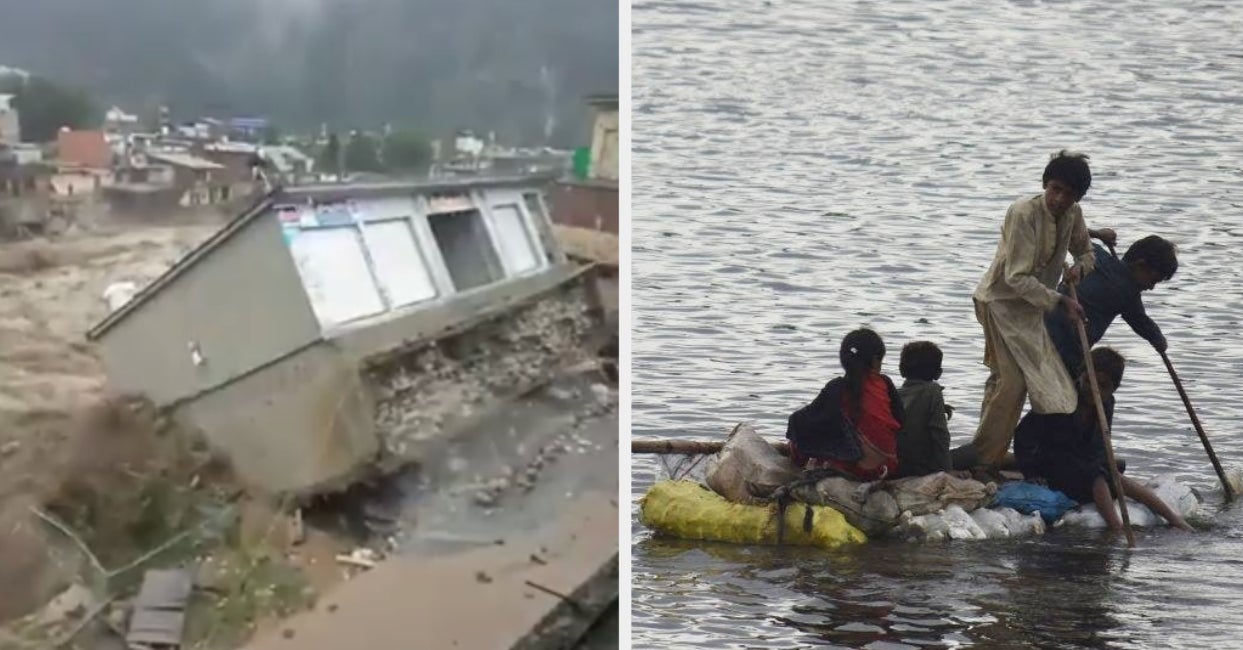
Pakistan is currently grappling with a climate catastrophe of unprecedented scale. Recent monsoon rains,described as the “monster monsoon of the decade,” have triggered widespread flooding,impacting over 30 million people and leaving a trail of destruction across the nation. This isn’t simply a natural disaster; it’s a stark illustration of the escalating global climate crisis and its disproportionate impact on vulnerable regions.
The Scale of the Crisis
The situation is dire. Official reports indicate hundreds have perished, and countless more are injured due to collapsed roofs, flash floods, and drowning. The sheer volume of water has overwhelmed infrastructure and resources, exceeding even the devastation of Pakistan’s 2010 “superflood” which affected 20 million.
Here’s a snapshot of the current reality:
* Mass Displacement: millions are displaced, seeking refuge in schools, mosques, and makeshift shelters. Sindh province alone has requested 1 million tents – a need that currently far outstrips supply.
* Health Crisis: Stagnant sewage water fills the streets, creating a breeding ground for waterborne diseases and posing a meaningful public health risk.
* Infrastructure Collapse: Roads, bridges, and homes have been washed away, hindering rescue efforts and isolating communities.
* Food Security Concerns: Agricultural lands are submerged, threatening food supplies and livelihoods.
A Climate Change Hotspot
Pakistan contributes less than 1% of global greenhouse gas emissions,yet it’s bearing the brunt of a crisis largely fueled by industrialized nations. This highlights a critical injustice of climate change: those least responsible are often the most vulnerable.
Several factors are converging to exacerbate the situation:
* Melting Glaciers: Pakistan boasts over 7,000 glaciers - the largest concentration outside the polar regions. Rising temperatures are accelerating glacial melt, leading to glacial lake outbursts and increased flood risk.
* Extreme Weather Patterns: The country is experiencing a relentless cascade of extreme weather events, including heat waves, forest fires, and droughts, all intensified by climate change.
* Monsoon Intensification: Climate change is altering monsoon patterns, leading to more intense and unpredictable rainfall.
Beyond Pakistan: A Global Pattern of Extremes
the crisis in Pakistan isn’t isolated. Across the globe, 2022 has witnessed a surge in extreme weather events, demonstrating the widespread and accelerating impacts of climate change.
Consider these examples:
* Africa: Devastating floods in Chad and Gambia, coupled with a severe drought in Ethiopia, Kenya, and somalia, threaten the lives of millions and push nearly 4.6 million children toward severe malnutrition.
* Europe: Prolonged drought has caused water levels to plummet, revealing ancient artifacts and disrupting river transportation.
* United States: Dallas, texas, experienced a year’s worth of rainfall in a single day, causing widespread flooding despite being in the midst of a drought.
* China: Receding waters in the Yangtze River have exposed ancient Buddhist statues, a poignant reminder of the changing landscape.
The Urgent Need for Action
These events are inextricably linked to human-induced climate change. As 1880, the planet has already warmed 2.1 degrees Fahrenheit (NASA data), and this warming trend is intensifying extreme weather events.
What can be done?
* Reduce Fossil Fuel Reliance: Drastically reducing our dependence on climate-polluting fossil fuels is paramount. Transitioning to renewable energy sources is no longer a choice, but a necessity.
* Invest in Climate Resilience: Vulnerable nations like Pakistan need significant investment in climate adaptation and resilience measures, including improved infrastructure, early warning systems, and disaster preparedness.
* International Cooperation: Developed nations have a moral and economic responsibility to support developing countries in mitigating and adapting to climate change. This includes providing financial assistance, technology transfer, and capacity building.
* individual Action: You can make a difference by reducing yoru carbon footprint, advocating for climate-friendly policies, and supporting organizations working to address the climate crisis.
The situation in Pakistan is a wake-up call. It’s a stark reminder that climate change is not a distant threat; it’s a present reality with devastating consequences





