Pakistan’s Solar Surge: Resilience in the face of Climate Crisis & Emerging Challenges
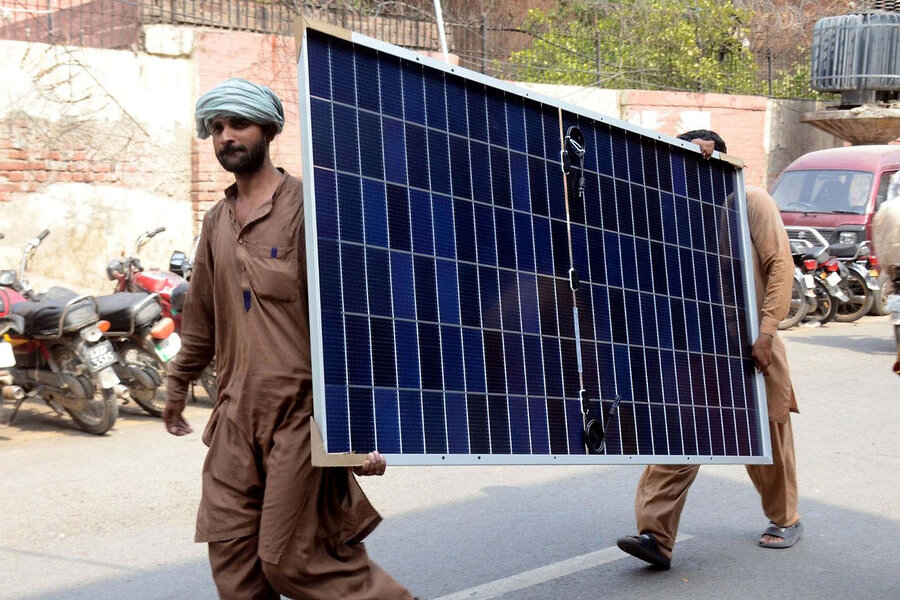
Pakistan is experiencing a remarkable shift in its energy landscape, driven not by policy alone, but by necessity and the ingenuity of its people.A surge in private solar panel installations is transforming how communities access electricity, notably in the wake of devastating floods and a persistent energy crisis. This isn’t simply an environmental trend; it’s a story of resilience,adaptation,and the complex economic realities unfolding in a climate-vulnerable nation.
A Nation Powered by Necessity
For years, Pakistan has struggled with an unreliable and expensive electricity supply. Frequent power outages and soaring energy costs have pushed individuals and businesses to seek alternatives. Simultaneously, the country faces the brunt of climate change, with increasingly frequent and severe floods, droughts, and heatwaves.
Recent catastrophic flooding,particularly in provinces like Punjab and Balochistan,has accelerated this transition. You’re seeing families,like those in Balochistan,utilizing solar power even amidst displacement and hardship. This isn’t a proactive embrace of green energy for environmental reasons, but a pragmatic response to immediate needs.
As clean energy advocate Bill McKibben points out,there’s a powerful symbolism in Pakistan becoming a leader in solar adoption,given its disproportionate suffering from the climate crisis. It’s a testament to the power of localized solutions in the face of global challenges.
The Rapid growth of Rooftop solar
the scale of this solar boom is significant. Individuals, businesses, and even rural communities are investing in rooftop solar systems and small-scale grids. Several factors are fueling this growth:
* Falling Costs: Solar panel prices have plummeted in recent years, making them increasingly affordable.
* Government Incentives (Limited): While not extensive, some provincial governments offer net metering programs, allowing users to sell excess electricity back to the grid.
* Energy Independence: Solar offers a degree of energy independence, shielding users from fluctuating grid prices and outages.
* Financing Options: Innovative financing models are emerging, making solar accessible to a wider range of consumers.
The Economic Ripple Effect: A Double-Edged Sword
However, this rapid solarization isn’t without its complexities. Pakistan’s energy sector operates under a unique model established in the 1990s. The government is obligated to pay independent power producers (IPPs) nonetheless of whether they generate electricity.
This creates a paradoxical situation.As more people generate their own power with solar, demand for electricity from IPPs decreases.Consequently, the government’s financial obligations to these producers remain constant, perhaps increasing the cost per unit of conventional electricity. This, in turn, incentivizes even more people to switch to solar, creating a potentially unsustainable cycle.
Former Finance Minister Miftah Ismail explains that these losses ultimately come back to the people through higher taxes or utility bills. The government is essentially competing with its citizens, selling a product that they can now produce more cheaply themselves.
government Response & Future Outlook
Recognizing the shifting landscape, the government has begun to respond. A 10% tax has been imposed on imported solar panels, with plans to raise it to 18% in the next budget. This move aims to recoup some revenue lost from decreased electricity sales.
Looking ahead, several key issues need to be addressed:
* Grid Modernization: The existing grid infrastructure needs significant upgrades to accommodate the influx of distributed solar energy.
* Policy framework: A comprehensive and forward-looking policy framework is needed to balance the interests of consumers, IPPs, and the government.
* Investment in Storage: Battery storage solutions are crucial for ensuring a reliable power supply, especially during periods of low sunlight.
* Equitable Access: Ensuring that the benefits of solar energy are accessible to all segments of the population, including low-income communities, is paramount.
Pakistan’s solar surge is a compelling example of how communities can adapt and innovate in the face of adversity. While challenges remain,the country’s commitment to solar energy offers a glimmer of hope for a more sustainable and resilient future. It’s a story that deserves attention, not just for its environmental implications, but for
Related reading
- Pentagon Plans $170B Missile and Nuclear Submarine Procurement Amid Depleted Stockpiles
- Raphinha Returns to Barcelona Training After Injury
- Longest Solar Eclipse of 21st Century Set for August 2027 (archyworldys.com)
- Global Tomato Sourcing & Growing Kimchi Popularity in UK Supermarkets (archynewsy.com)