A suicide bomber targeted an antimilitant peace rally in Kabal, a town in Pakistan’s Swat Valley, killing at least 14 people and wounding more than 20 others on Sunday, August 2, 2026. The blast occurred near a police station as demonstrators gathered to protest a sharp resurgence of regional violence.
Suicide Bombing Rocks Peace Gathering in Swat Valley
The explosion tore through a large public demonstration at Kabal Chowk in the Swat district of Khyber Pakhtunkhwa province. Hundreds of residents had assembled for the Olasi Pasoon peace gathering to protest a dramatic escalation in militant attacks across northwestern Pakistan.
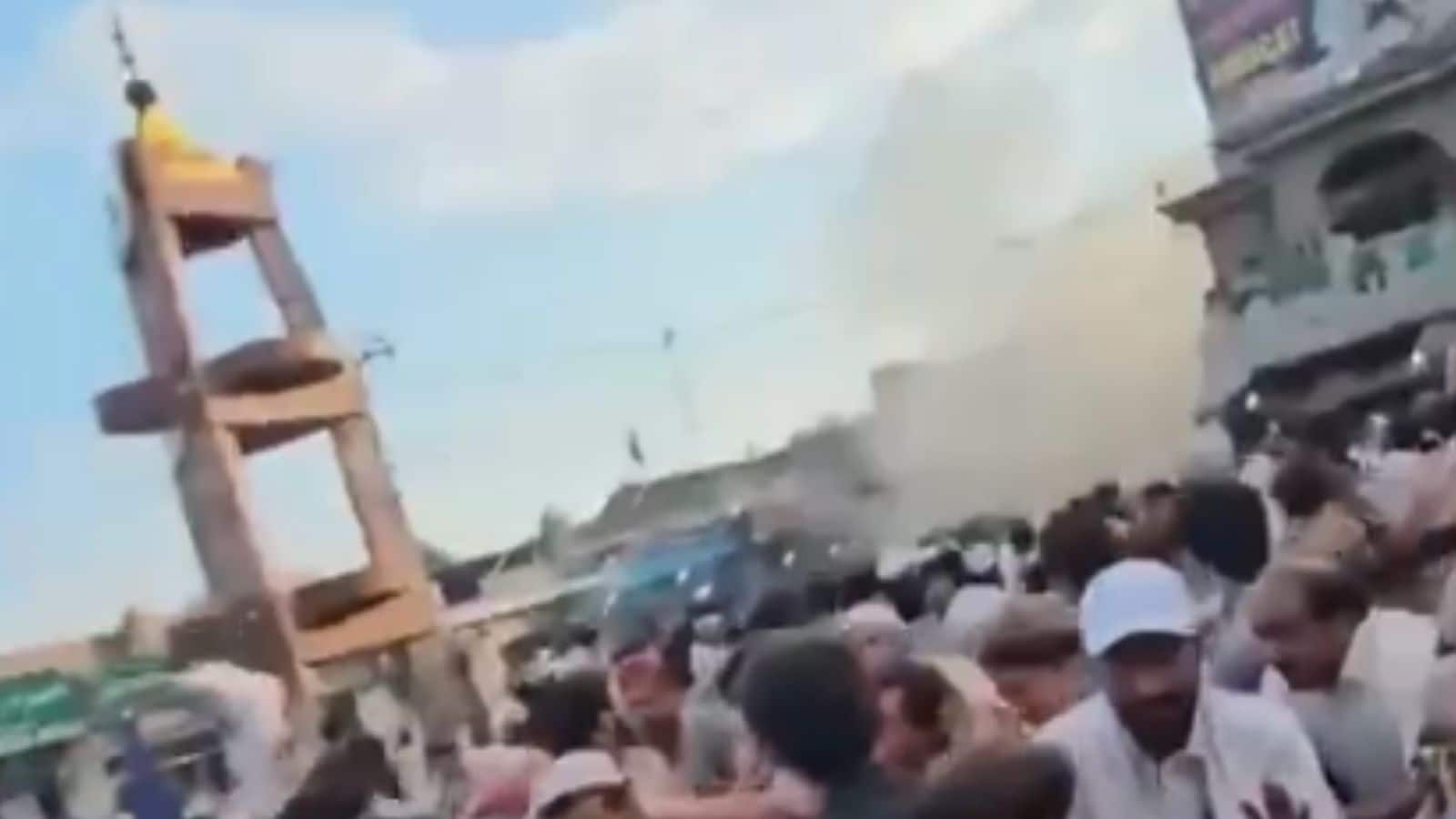
According to Swat District Police Officer Omar Khan, the attacker detonated explosives at the entrance of the Kabal Police Station after police personnel attempted to stop and search him. The blast struck as the final speaker was addressing the crowd, sending panicked demonstrators fleeing from the area.
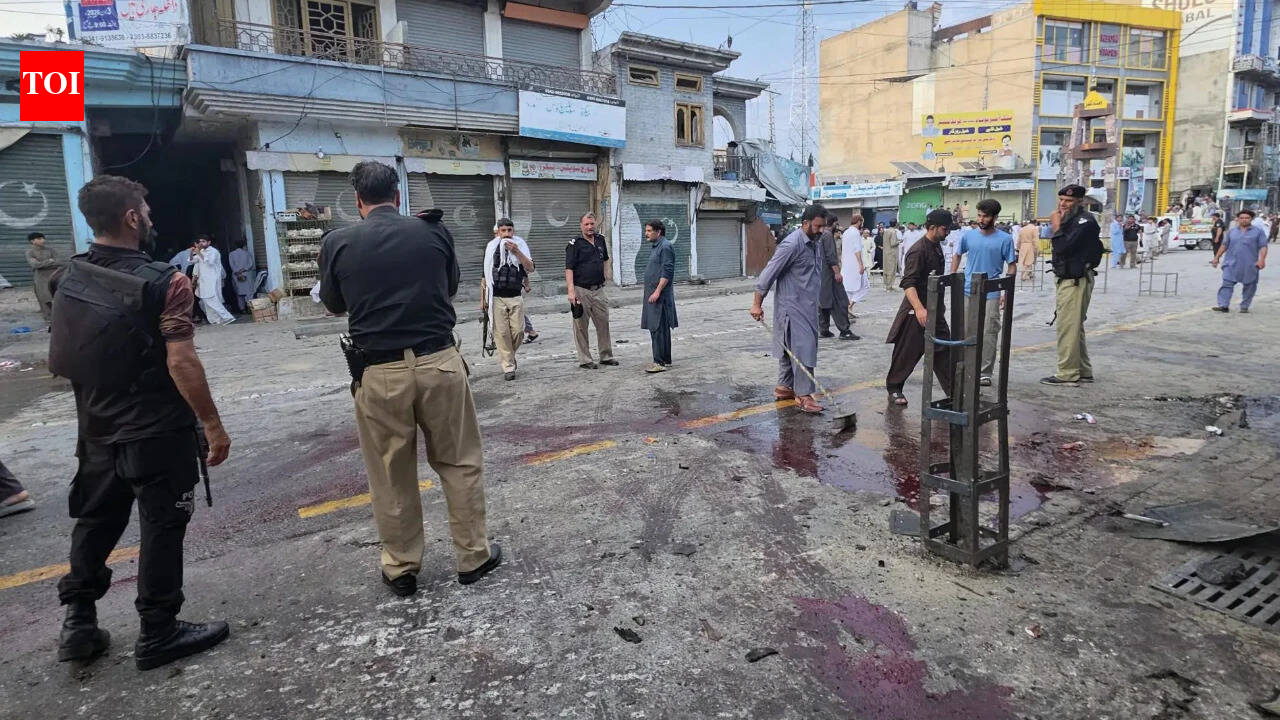
Bilal Faizi, a spokesman for the provincial emergency service, confirmed that the dead included both civilians and police officers. Swat police spokesperson Nasir Iqbal Karimi and district officials put the death toll at 14, with more than two dozen others injured. Initial reports from regional officials and police varied, with Swat Deputy Inspector General of Police Fida Hussain initially reporting 22 wounded before totals were updated following rescue operations.
“We have witnessed years of bloodshed. Our mothers, sisters, and daughters have suffered immensely, and we do not want another generation of widows and orphans.”
Unnamed speaker at the rally, via Pakistani outlet Dawn and reported by Al Jazeera
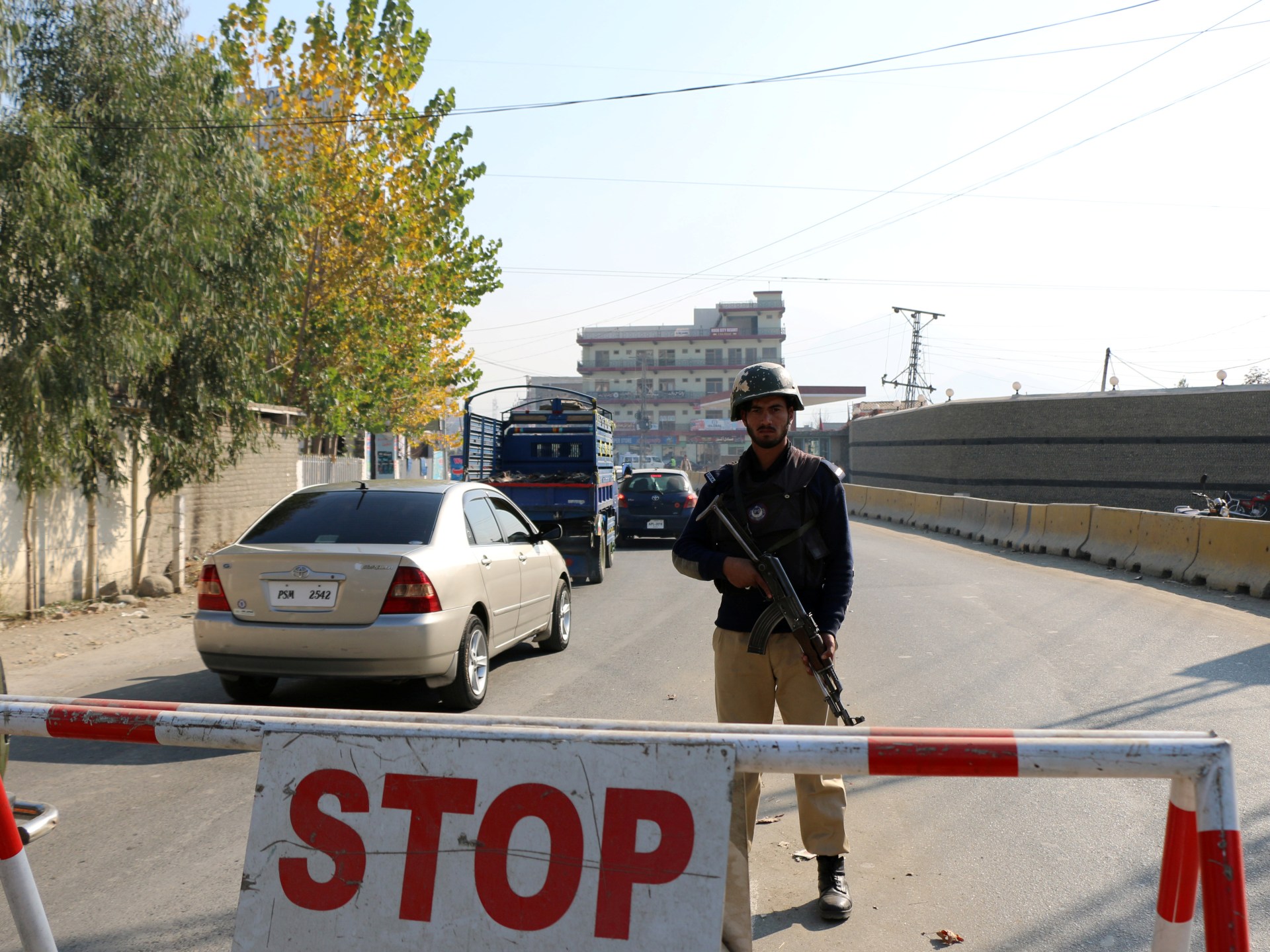
Rescue teams rushed the wounded to Saidu Sharif Teaching Hospital, where several victims remained in critical condition. Security forces cordoned off the site immediately following the explosion to launch a formal investigation.
Protesters Demand State Action Amid Militant Resurgence
Demonstrators at the rally had gathered to condemn what they described as a worsening security situation. Speakers argued that ensuring public safety and eliminating militancy remain the fundamental responsibility of the state, criticizing authorities for failing to act decisively against armed groups operating openly in the surrounding mountains.
The Swat Valley carries a heavy history of conflict. The region was once a stronghold for Islamic militants who enforced a strict interpretation of Sharia before a major Pakistani military offensive in 2007 drove them out and restored state control. However, residents note that militants have resurfaced in recent months, reviving deep fears that the Pakistani Taliban are attempting to reestablish a foothold in the valley.
No group immediately claimed responsibility for the Sunday bombing. Security analysts and officials noted that suspicion is likely to fall on the Tehrik-e-Taliban Pakistan, or TTP, an allied faction separate from Afghanistan’s Taliban rulers.
Spike in Regional Violence and Official Condemnations
The Kabal bombing follows a severe escalation in violence across Khyber Pakhtunkhwa. Data compiled by researchers at the Pakistan Institute for Conflict and Security Studies recorded 154 terrorism-related deaths across the province in July, marking a 105 per cent increase compared to June’s toll of 75.
The wider wave of attacks includes a drone-explosive ambush that killed 11 police officers at a checkpoint in Hangu district, alongside a late July car bombing in Tank that killed 27 soldiers. On Friday, military spokesman Ahmad Sharif Chaudhry reported that Pakistan had recorded 3,145 terrorism incidents since January, resulting in the deaths of 2,084 militants and 819 security personnel and civilians.
Pakistani leadership responded to Sunday’s attack with strong condemnations. President Asif Ali Zardari and Prime Minister Shehbaz Sharif issued separate statements offering condolences to the victims’ families, pledging top-tier medical care for the injured, and asserting that the state’s counterterrorism operations will continue until eradication is achieved.
“Terrorists will never succeed in their nefarious efforts to harm peace, national unity, and the writ of the state.”
Asif Ali Zardari, President of Pakistan
Provincial leaders echoed those commitments.
Related reading