
Diplomatic efforts to bridge the widening chasm between Washington and Tehran have reached a critical juncture in Islamabad, where Pakistan has attempted to position itself as a key mediator. The initiative, aimed at finding a peaceful resolution to escalating tensions, has been marked by contradictory reports and high-stakes rhetoric, leaving the international community questioning the viability of Pakistan’s role in Iran talks.
The situation remains fluid as reports emerge regarding whether high-level representatives will actually convene in the Pakistani capital. Although the objective is to move toward a settlement, the diplomatic path is fraught with obstacles, ranging from severe security concerns to fundamental disagreements over the terms of peace proposals.
The current instability is underscored by a stark divide in reporting. On one hand, there are indications that the talks are proceeding; however, other reports suggest a significant diplomatic setback that could sideline Islamabad’s mediation efforts entirely. This uncertainty reflects the broader volatility of US-Iran relations, where a single communication breakdown can derail months of back-channel diplomacy.
Conflicting Reports on Iranian Participation
The central question regarding Pakistan’s role in Iran talks currently hinges on whether Tehran will actually send a delegation to Islamabad. There is a glaring discrepancy between available reports that highlights the fragility of these negotiations.
According to NST Online, the Iranian president has confirmed Tehran’s participation in the Islamabad talks, suggesting that the diplomatic channel remains open and that Pakistan’s efforts to host the parties have seen some success.
Conversely, other reports indicate a complete breakdown in this specific arrangement. DNA India reports that Pakistan’s mediation efforts have suffered a major setback, claiming that Iran has refused to attend talks with the United States in Islamabad.
Tensions and “Unrealistic” Proposals
The difficulty in establishing a meeting in Islamabad is compounded by the hostile atmosphere between Washington, and Tehran. The diplomatic friction is not merely logistical but rooted in fundamental disagreements over peace terms and national security warnings.
Recent developments have seen former U.S. President Trump issue new warnings to Tehran, further complicating the environment for any potential mediator. In response to U.S. Diplomatic overtures, Iran has characterized U.S. Peace proposals as “unrealistic” according to Reuters. This dismissal suggests that regardless of the venue—whether Islamabad or elsewhere—the gap between the two nations’ requirements for a settlement remains vast.
For Pakistan, the challenge is to provide a secure and neutral ground where these “unrealistic” proposals can be debated without escalating into further conflict. The necessity for massive security precautions in Islamabad underscores the volatility of the situation and the risks associated with bringing these opposing delegations together.
The Shift Toward Qatar as Mediator
As the viability of the Islamabad talks is questioned, attention has shifted toward other regional players who may hold more influence or be viewed as more acceptable by Tehran. The possibility of a change in the mediation venue is a significant development in the geopolitical landscape.
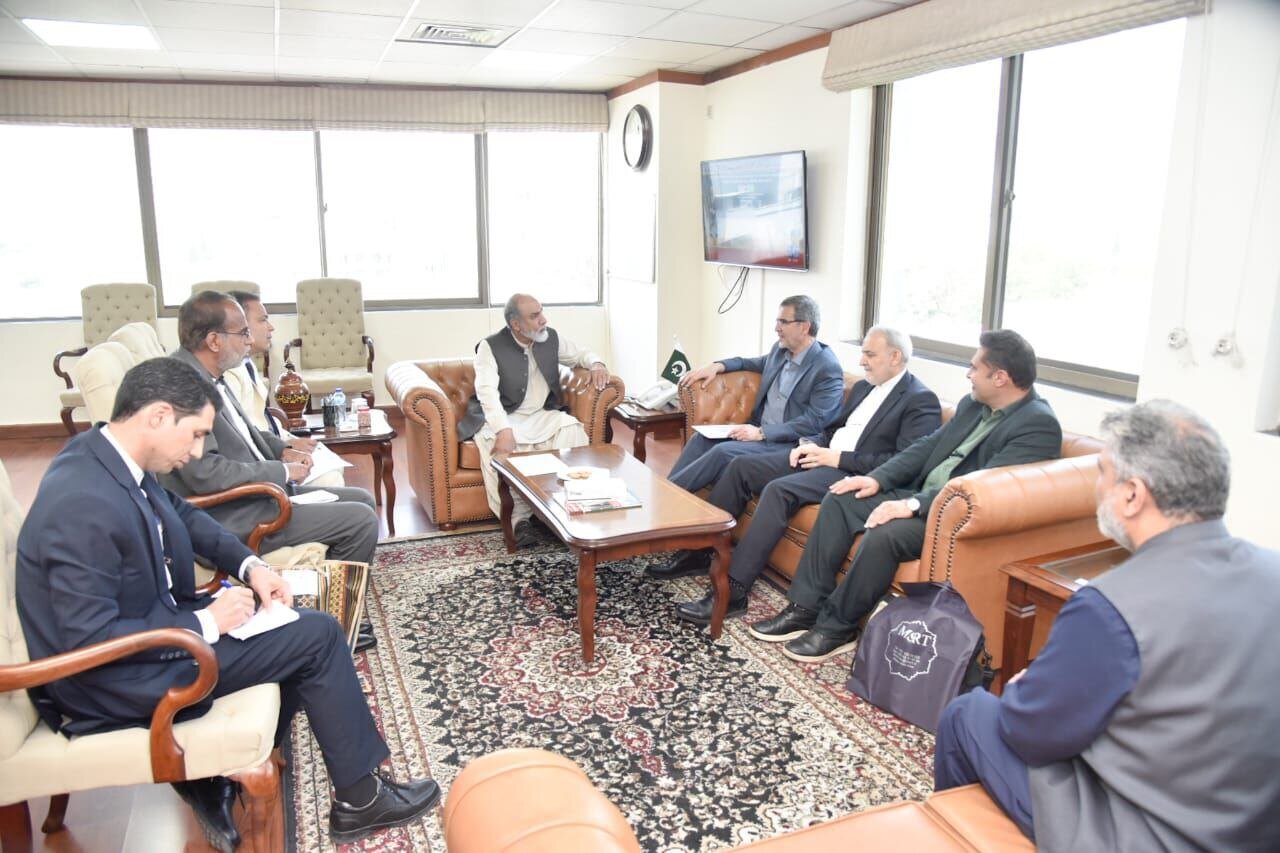
Reports suggest that Tehran may be seeking a different intermediary to facilitate discussions with the United States. Specifically, there are indications that Tehran wants Qatar as mediator, potentially viewing Doha as a more effective bridge for communication than Islamabad. This shift would represent a strategic pivot in how Iran chooses to engage with Washington, potentially diminishing Pakistan’s current role in these specific negotiations.
The preference for Qatar would likely be based on Doha’s established history of facilitating high-level talks between conflicting parties, whereas Pakistan’s current attempts are facing immediate hurdles regarding Iranian attendance and the perceived realism of the proposals on the table.
Key Takeaways on the Current Diplomatic Status
- Conflicting Reports: There is no consensus on whether Iran will attend the Islamabad talks, with reports ranging from confirmation by the Iranian president to a flat refusal.
- U.S. Pressure: New warnings from Trump and a dismissal of U.S. Peace proposals as “unrealistic” by Iran have increased the diplomatic tension.
- Mediation Pivot: Iran has reportedly expressed a preference for Qatar to act as the mediator instead of Pakistan.
- Security Concerns: Any potential meetings in Islamabad are expected to occur under massive security precautions.
The next critical checkpoint will be the confirmation of whether any delegations actually arrive in Islamabad for the planned Friday discussions. If the talks fail to materialize, the focus will likely shift entirely toward Qatar’s potential role in resolving the deadlock.
Do you believe a change in mediator could break the current deadlock between Washington and Tehran? Share your thoughts in the comments below.
Related reading