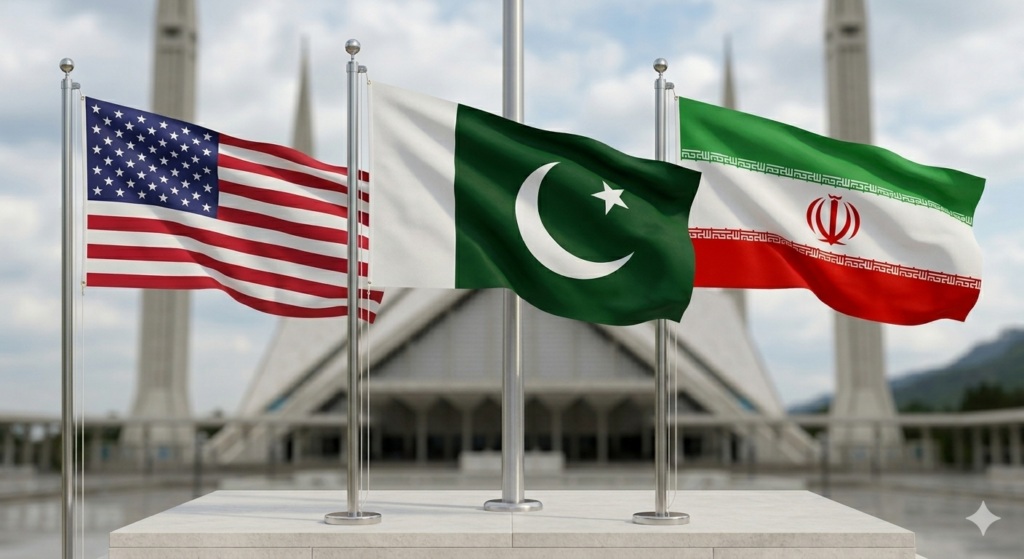
Pakistan is urgently working to facilitate a second round of US-Iran talks in Islamabad as diplomats race to preserve a fragile ceasefire and prevent a wider regional escalation. Pakistani officials announced Tuesday that they have proposed the new round of negotiations to both Washington and Tehran, seeking to bring the two adversaries back to the table before the current ceasefire window closes according to the Associated Press.
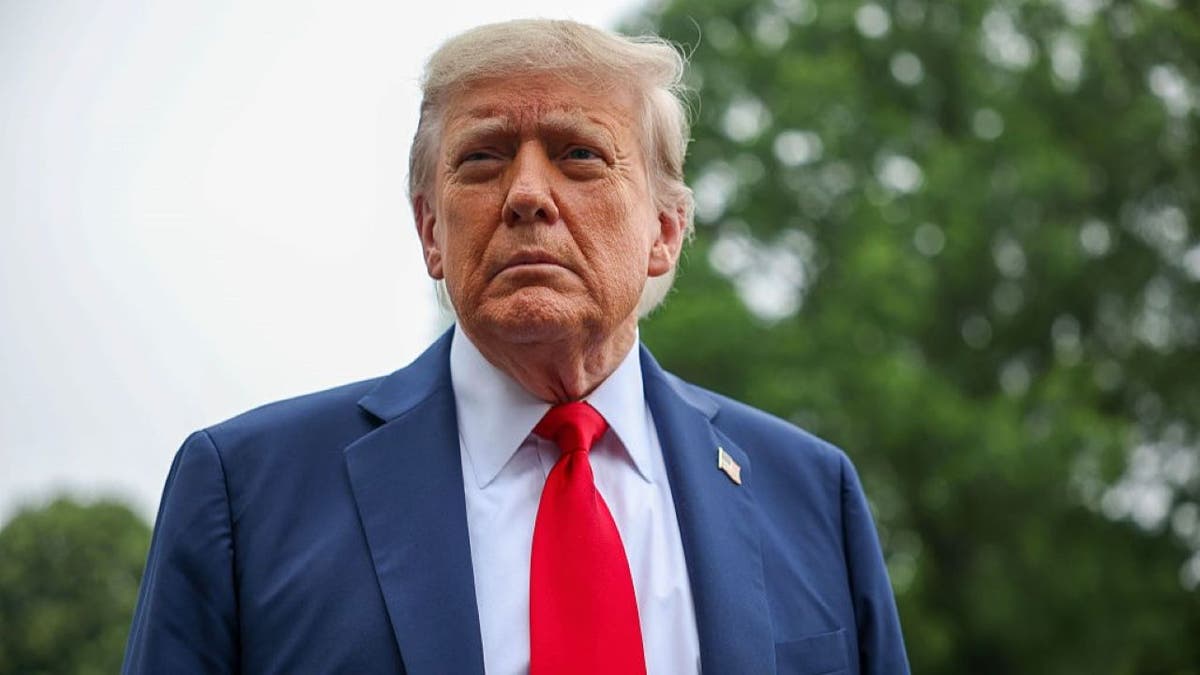
The diplomatic push follows a historic first round of face-to-face negotiations held in Islamabad over the weekend. While those talks ended early Sunday without a formal agreement, U.S. Officials have indicated that the dialogue was not without merit. U.S. Vice President JD Vance stated that the negotiations “did make some progress,” and President Donald Trump noted on Monday that the “other side” had reached out, stating, “they desire to work a deal” as reported by AP News.
Despite the optimism from the White House, the situation on the ground remains volatile. A U.S. Blockade of Iranian ports began on Monday, April 13, 2026, prompting threats of retaliation from Tehran. This extraordinary showdown has raised immediate concerns regarding the stability of the global economy and the potential collapse of the ceasefire, which could lead to a resumption of active fighting per AP News.
The Path to the Ceasefire: A High-Stakes Timeline
The current diplomatic window is the result of a dramatic intervention by Pakistan. On April 8, 2026, just 90 minutes before a deadline set by President Trump to destroy Iran’s “civilisation,” the U.S. President announced via Truth Social that he had agreed to a two-week ceasefire according to Al Jazeera. This announcement came after nearly six weeks of U.S. Bombing campaigns.
Iranian Foreign Minister Abbas Araghchi confirmed the ceasefire shortly after on X (formerly Twitter). However, the agreement was fraught with tension from the start. A primary point of contention involves the Strait of Hormuz; while President Trump claimed Iran would allow unimpeded transit through the waterway, Foreign Minister Araghchi asserted that such passage would need to occur under the auspices of the Iranian armed forces as reported by Al Jazeera.
Economic Risks and Military Posturing
The stability of the global economy now hinges largely on whether the proposed second round of US-Iran talks can resolve the current deadlock. The U.S. Blockade of Iranian ports, which commenced Monday, has created an “extraordinary showdown” that threatens to disrupt international trade and energy markets per AP News.
While focusing on the Middle East, the United States is simultaneously attempting to project strength in Asia. On Tuesday, a U.S. Military official confirmed that more than 17,000 American and Filipino military personnel will participate in one of the largest annual combat exercises in the Philippines. This move is intended to signal the United States’ staunch commitment to regional security in Asia despite its current preoccupation with the Iranian crisis according to AP News.
Broader Regional Instability: Lebanon and Israel
The US-Iran tension is mirrored by ongoing conflict in Lebanon. Lebanese officials are currently hoping to broker a ceasefire in the Israel-Hezbollah war, a conflict that has already resulted in the deaths of at least 2,089 people in Lebanon as reported by AP News.
Direct talks between Lebanon and Israel were scheduled to begin Tuesday in Washington. However, the prospects for a lasting agreement appear slim; a senior Hezbollah official stated on Monday that the militant group will not abide by any agreements resulting from these talks. Israeli Prime Minister Benjamin Netanyahu has expressed opposition to a ceasefire, stating that his goals remain the disarmament of Hezbollah and a potential peace agreement between Lebanon and Israel per AP News.
Summary of Current Diplomatic Status
| Key Element | Status/Detail | Source |
|---|---|---|
| Ceasefire Duration | Two weeks (initiated April 8) | Al Jazeera |
| First Round Talks | Ended early Sunday without agreement | PBS / AP |
| Current US Action | Blockade of Iranian ports (began Monday) | AP News |
| Proposed Action | Second round of talks in Islamabad | AP News |
The international community now awaits confirmation on whether Washington and Tehran will accept Pakistan’s proposal for a second round of meetings. The immediate priority remains the prevention of a ceasefire collapse, which would likely trigger a significant escalation in both the Middle East and the global economic sphere.
The next critical checkpoint will be the expiration of the current two-week ceasefire, which began on April 8. Whether a second round of talks is convened before this deadline will likely determine the trajectory of US-Iran relations for the remainder of the year.
Do you believe diplomatic mediation through third parties like Pakistan is the most effective way to resolve US-Iran tensions? Share your thoughts in the comments below.
Keep reading