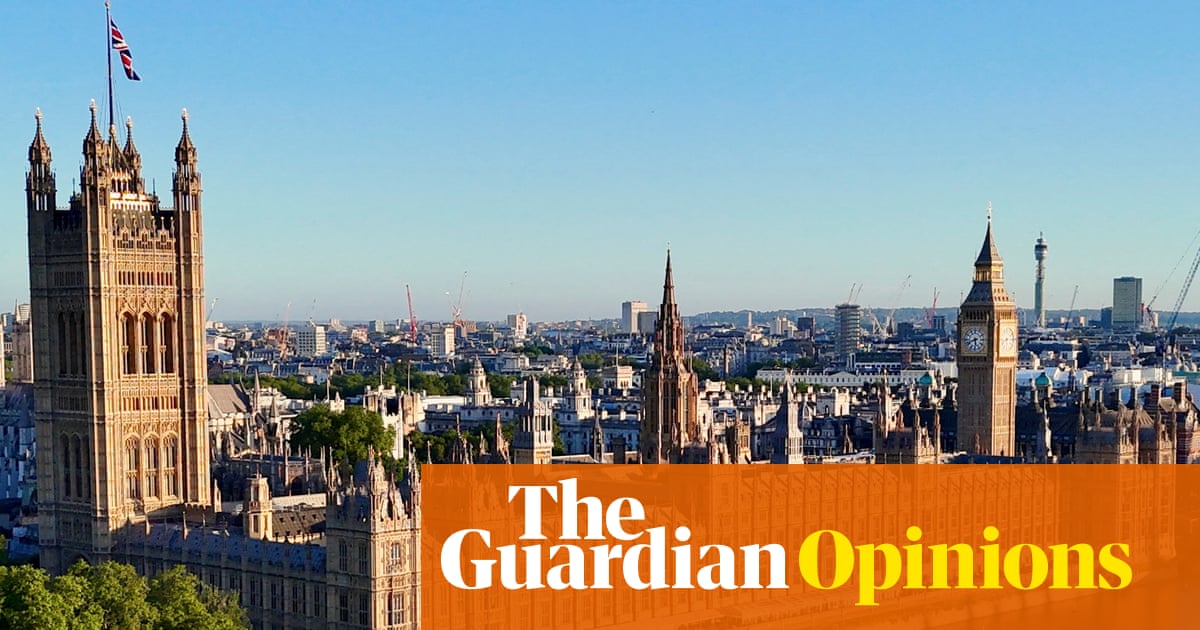
The Palace of Westminster, the iconic seat of the United Kingdom’s Parliament, faces a critical juncture. A recent report has laid bare the building’s deteriorating condition, forcing lawmakers to confront a difficult choice: undertake extensive repairs while Parliament remains in session, or temporarily relocate to allow for a more comprehensive, but lengthy, restoration. The scale of the challenge is immense, with potential costs reaching tens of billions of pounds and disruption lasting for decades. This situation isn’t merely about preserving a historic building; it’s about ensuring the continuity of British democracy and grappling with questions of regional equity and national identity.
Built on the site of earlier palaces dating back to the 11th century, the current Palace of Westminster largely dates from the mid-19th century, constructed after a devastating fire in 1834. The building, a masterpiece of Perpendicular Gothic Revival architecture designed by Charles Barry and Augustus Pugin, is now plagued by a litany of problems, including 36 reported fire incidents since 2016, persistent water leaks, failing heating systems, and issues with the sewerage infrastructure. The building’s extremely fabric is crumbling, raising serious safety concerns and prompting warnings that a major disaster could be imminent. The Palace of Westminster is not only a functioning parliament but also a UNESCO World Heritage Site, recognized for its cultural significance alongside Westminster Abbey and St Margaret’s Church since 1987.
The Two Paths Forward: Cost and Timeline
The restoration and renewal client board has presented two primary options to address the Palace of Westminster’s decay. The first, and arguably more palatable in the short term, involves keeping both the House of Commons and the House of Lords in the building during the renovation process. This approach, estimated to cost £16 billion (including inflation) and take approximately 20 years, would necessitate a phased approach to repairs, minimizing disruption to parliamentary proceedings. However, it also carries significant risks, as working around ongoing sessions could complicate the restoration and potentially extend the timeline.
The alternative, and more disruptive, option involves a full decant of Parliament. Under this scenario, the House of Lords would relocate for up to 13 years, allowing the House of Commons to temporarily occupy the upper chamber. While this would expedite the restoration process, it would significantly prolong the overall program, potentially stretching to 61 years, and escalate the total cost to an estimated £40 billion. Given the substantial financial implications, it appears unlikely that MPs will favor this extended and more expensive route, according to reports. The decision, as outlined in a report published in February 2026, is no longer *if* to act, but *how* to act.
Beyond Bricks and Mortar: A Question of National Identity
The debate surrounding the Palace of Westminster’s restoration extends far beyond the practicalities of construction and cost. Critics argue that prioritizing a £16 billion refurbishment of Parliament while grappling with regional inequalities and strained public services sends the wrong message to the British public. The Institute for Fiscal Studies (IFS) has highlighted the UK as one of the most regionally unequal countries in Europe, a disparity that fuels resentment and undermines social cohesion. The optics of investing heavily in a London-centric institution while other parts of the country struggle could prove politically damaging, potentially providing ammunition for populist movements.
This situation presents an opportunity to reconsider the concentration of power within London. Some commentators have suggested a more radical solution: temporarily relocating Parliament to a different city, such as Manchester, York, Leeds, or Birmingham. Such a move, while not currently under consideration by the restoration board, could symbolize a commitment to decentralization and regional investment. Relocating parliamentary functions would bring jobs and economic activity to a different part of the country, fostering a greater sense of national unity and addressing long-standing grievances. The idea of moving Parliament out of London has been debated for decades, with proponents arguing it could revitalize a regional hub and demonstrate a commitment to a more balanced distribution of power. A 2017 article in *The Economist* explored the pragmatic case for moving the capital to Manchester, highlighting the potential economic benefits.
The Symbolism of Location and the Require for Investment
The Palace of Westminster is undeniably a powerful symbol of British democracy and national identity. However, symbols alone are insufficient. A temporary relocation, while potentially disruptive, could signal a genuine commitment to addressing regional imbalances and fostering a more inclusive political landscape. Building a temporary parliamentary chamber and associated infrastructure in another city would represent a significant investment in that region, creating jobs and stimulating economic growth. This investment, however, must be coupled with a broader commitment to sustained net investment in poorer regions, ensuring that they are not left behind.
The core issue isn’t simply about restoring a building; it’s about addressing a deeper imbalance in the distribution of power and resources across the United Kingdom. A centralized Britain, critics argue, breeds resentment and fuels political division. Moving Parliament, even temporarily, could be a powerful gesture of goodwill, demonstrating a willingness to listen to and address the concerns of communities outside of London. However, as noted in a 2018 editorial, a change of postcode alone is not enough. Substantive changes in policy and investment are essential to ensure that any symbolic gesture is backed up by concrete action.
The Historical Context of Westminster’s Decay
The current crisis at the Palace of Westminster is not a sudden development. The building’s deterioration has been a long-term concern, exacerbated by years of deferred maintenance and a lack of comprehensive planning. The palace was originally rebuilt in the 19th century following the devastating fire of 1834, and while it has undergone periodic repairs, these have often been piecemeal and insufficient to address the underlying structural issues. The Elizabeth Tower, housing the iconic bell known as Considerable Ben, is also undergoing extensive conservation work, which began in 2017 and is expected to continue for several years. The tower’s restoration is a separate, but related, project aimed at preserving another of London’s most recognizable landmarks.
The UNESCO designation of the Palace of Westminster, Westminster Abbey, and St Margaret’s Church as a World Heritage Site in 1987 underscores the building’s global cultural significance. This designation carries with it a responsibility to preserve the site for future generations, adding further urgency to the current restoration efforts. The ongoing state of conservation reports submitted to UNESCO highlight the challenges faced in maintaining this historic complex.
What Happens Next?
MPs and peers are expected to debate the restoration proposals in the coming months, with a final decision anticipated later in 2026. The chosen path will have profound implications for the future of British democracy and the nation’s architectural heritage. The next key milestone will be the publication of a detailed implementation plan, outlining the specific steps involved in the restoration process, regardless of which option is selected. Further updates on the project’s progress can be found on the UK Parliament website.
The situation at the Palace of Westminster is a complex one, with no easy answers. It requires a careful balancing of historical preservation, political pragmatism, and a genuine commitment to addressing the underlying issues of regional inequality and national identity. The decisions made in the coming months will not only determine the fate of a historic building but also shape the future of the United Kingdom itself.
What are your thoughts on the future of the Palace of Westminster? Share your opinions in the comments below.