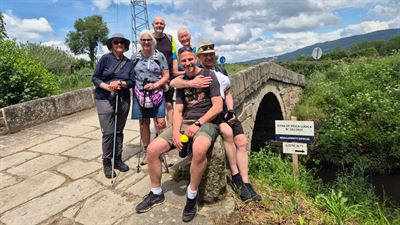
Swedish cancer organisation PALEMA is once again undertaking a pilgrimage along the Camino de Santiago to raise awareness about upper gastrointestinal cancers and promote the role of physical activity in cancer care. The initiative, titled “PALEMA pilgrimsvandrar för livet igen” (PALEMA walks for life again), marks the second consecutive year the group has organised this journey to highlight cancers that often receive less attention in research and public discourse.
PALEMA, which stands for Patientföreningen PALEMA, is recognised as Sweden’s first and only cancer association dedicated specifically to patients affected by cancers of the upper digestive tract, including pancreatic, liver, bile duct, stomach, and oesophageal cancers. According to the organisation’s official website, PALEMA works to improve care and quality of life for patients and their families through support, advocacy, and efforts to increase awareness of these under-recognised malignancies.
The 2026 pilgrimage began on April 22, with participants setting off from Porto, Portugal, en route to Santiago de Compostela in Spain. This route was selected for its relatively gentle terrain compared to other Camino paths, making it accessible to a broader range of participants, including cancer survivors and those currently undergoing treatment. For individuals unable to complete the full journey, PALEMA offers the option to join for shorter segments, such as a six-day walking alternative.
Eva Backman, PALEMA’s chairperson and a pancreatic cancer survivor, is among those participating in the walk. She previously completed the Camino alone shortly after her treatment, carrying a backpack filled with medication and determination. Reflecting on this year’s journey, Backman said, “Den här gången känns det som jag inte bara bär mitt eget hopp – utan vårt gemensamma,” translating to “This time it feels like I am not just carrying my own hope – but our shared hope.”
The pilgrimage serves multiple purposes: raising visibility for cancers that are often overlooked, emphasising the importance of physical activity during and after cancer treatment, and fostering community among survivors, relatives, and supporters. PALEMA states that the walk aims to “sätta ljus på några av de mest förbisedda cancerformerna och visa vikten av fysisk aktivitet efter diagnos” – to shed light on some of the most overlooked cancer forms and demonstrate the importance of physical activity after diagnosis.
Scientific evidence supports the integration of exercise into cancer care. According to the American Cancer Society, regular physical activity can aid reduce fatigue, improve physical function, and enhance quality of life during and after cancer treatment. Similarly, Clinical Oncology Society of Australia guidelines recommend exercise as part of standard cancer care, citing benefits such as reduced treatment side effects and improved survival outcomes for certain cancers.
PALEMA’s efforts come at a time when digestive cancers continue to pose significant challenges. Pancreatic cancer, in particular, remains one of the most lethal forms, with low survival rates often attributed to late diagnosis and limited treatment options. By highlighting these diseases through public initiatives like the Camino walk, PALEMA seeks to encourage earlier detection, greater investment in research, and improved access to care.
The organisation also stresses the importance of psychosocial support, noting that a cancer diagnosis affects not only the patient but also their family and close network. Through membership, donations, and volunteer engagement, PALEMA provides resources such as peer support groups, informational materials, and advocacy efforts directed at healthcare policymakers.
As of April 22, 2026, the pilgrimage is underway, with updates being shared through PALEMA’s official channels. The organisation encourages the public to follow the journey and learn more about upper gastrointestinal cancers via its website and social media platforms. Those interested in supporting PALEMA’s mission can contribute through membership, donations, or participating in future awareness events.
PALEMA has not announced any immediate follow-up events beyond the 2026 pilgrimage, but the organisation typically engages in year-round activities, including participation in cancer awareness campaigns and collaboration with medical professionals to improve patient pathways.
For verified information about PALEMA’s initiatives, upcoming events, or resources on digestive cancers, readers are encouraged to visit the organisation’s official website.
We welcome your thoughts and experiences. Share this article to help spread awareness about the importance of physical activity in cancer recovery and the need for greater attention to under-discussed cancer forms.
Related reading