The ongoing conflict in Gaza continues to disrupt lives and livelihoods, yet amidst the hardship, stories of resilience and a commitment to education emerge. A new episode of the PalCast podcast features Shams Mazen Rajab, a young Palestinian woman whose determination to continue her studies and contribute to her community shines through despite facing immense challenges. Rajab’s story, shared from a displacement tent in Deir al-Balah, offers a poignant glimpse into the daily realities of life for many Palestinians and underscores the enduring power of hope and self-expression.
Rajab, a graduate in English Language and Teaching Methods from Al-Aqsa University in Gaza, embodies this spirit. Her work, which includes writing and translation, has appeared on platforms like We Are Not Numbers, Through Our Eyes, and Brief Encounters, providing a vital voice to the experiences of Palestinians. The PalCast episode, available on Apple Podcasts and Spotify, details her displacement and the challenges she faces in pursuing her education and career.
Displacement and Daily Life in Gaza
The podcast episode paints a stark picture of the conditions faced by Rajab and her family. Displaced multiple times from their home in Shuja’iyya, they now live in a tent in Deir al-Balah, sharing limited space with eleven family members. The realities of life in the tent are harsh, marked by extreme temperatures – intense heat during the day and cold at night – and a lack of privacy. The situation is compounded by the trauma of loss, as Rajab recounts the destruction of her family home and the deaths of neighbors due to nearby bombings. Tragically, some relatives remain trapped under rubble, a constant source of grief and uncertainty. The ongoing conflict has created a humanitarian crisis in Gaza, with the United Nations reporting that over 1.7 million people – more than 75% of the population – are internally displaced as of February 2024. UN OCHA provides ongoing updates on the humanitarian situation.
Continuing Education Amidst Conflict
Despite these incredibly hard circumstances, Rajab has persevered with her university studies, working towards graduation online. She balances her academic commitments with writing and translation work, demonstrating a remarkable dedication to self-improvement and education. According to a May 22, 2025, profile on We Are Not Numbers, Rajab holds a bachelor’s degree in English language and teaching methodologies from Al-Aqsa University. We Are Not Numbers highlights the stories of Palestinians, offering a platform for their voices.
Rajab views her education not merely as a path to a career, but as a vital affirmation of her identity and dignity in the face of displacement. She expresses a strong desire to teach, even if it means volunteering in tents or offering online lessons, believing that education is crucial for empowering young people and providing them with a sense of normalcy amidst the chaos of conflict. This commitment to education echoes the broader efforts of Palestinian educators and organizations working to maintain access to learning despite the challenges. The Education Above All Foundation, for example, has pledged significant support to ensure continued education for Palestinian children. Education Above All is a global foundation dedicated to promoting education in conflict and crisis zones.
A Connection to Shuja’iyya and Moments of Resilience
Rajab’s connection to her former home in Shuja’iyya remains strong, representing a central part of her memories and sense of belonging. The loss of her home and community is deeply felt, but she holds onto the hope of returning one day. This attachment to place is a common theme among Palestinians, reflecting the deep cultural and historical ties to the land. The destruction of homes and displacement of communities have had a devastating impact on Palestinian cultural heritage, as documented by organizations like UNESCO. UNESCO’s work in Palestine focuses on preserving cultural heritage and supporting education.
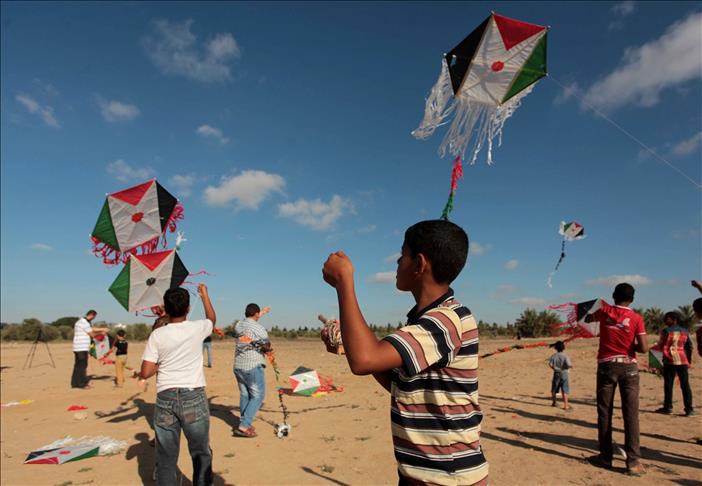
The PalCast episode also highlights moments of resilience and brief relief in Rajab’s life. She describes spending time at the beach with siblings and other young people, playing football and flying kites – simple joys that offer a temporary escape from the hardships of daily life. These scenes underscore the enduring human spirit and the ability to find moments of hope even in the darkest of times. Such moments of normalcy are vital for maintaining mental health and well-being in conflict zones, as recognized by organizations like the World Health Organization. The WHO’s response to the Gaza crisis includes providing mental health and psychosocial support.
The Importance of Storytelling
Rajab’s participation in PalCast and her contributions to platforms like We Are Not Numbers and Through Our Eyes demonstrate the power of storytelling in amplifying marginalized voices and raising awareness about the human impact of conflict. These platforms provide a space for Palestinians to share their experiences directly, challenging dominant narratives and fostering empathy. The use of personal narratives is increasingly recognized as a powerful tool for advocacy and social change, as highlighted by organizations like Amnesty International. Amnesty International utilizes storytelling to document human rights abuses and advocate for justice.
Her writing and translation work also serve as a means of self-expression and a way to contribute to the cultural landscape of Palestine. By sharing her experiences, Rajab is not only documenting the realities of life in Gaza but also preserving her cultural identity and inspiring others to persevere.
Key Takeaways
- Resilience in the Face of Adversity: Shams Mazen Rajab’s story exemplifies the remarkable resilience of Palestinians in the face of ongoing conflict and displacement.
- The Importance of Education: Despite immense challenges, Rajab prioritizes her education as a means of self-empowerment and a pathway to a better future.
- The Power of Storytelling: Platforms like PalCast and We Are Not Numbers provide vital spaces for Palestinians to share their experiences and challenge dominant narratives.
- Humanitarian Crisis in Gaza: The episode highlights the dire humanitarian conditions in Gaza, with widespread displacement and limited access to basic necessities.
As of February 26, 2026, the situation in Gaza remains volatile, with ongoing negotiations for a ceasefire and increased calls for humanitarian aid. The United Nations Security Council is scheduled to discuss the situation in Gaza on March 5, 2026, and a resolution is expected to be position forward. The UN Security Council website provides information on upcoming meetings and resolutions.
Rajab’s story serves as a powerful reminder of the human cost of conflict and the importance of supporting those affected by displacement and hardship. Listen to the full PalCast episode to hear her story in her own words and consider sharing it with others to raise awareness about the ongoing challenges faced by Palestinians. What are your thoughts on the importance of education in conflict zones? Share your comments below.