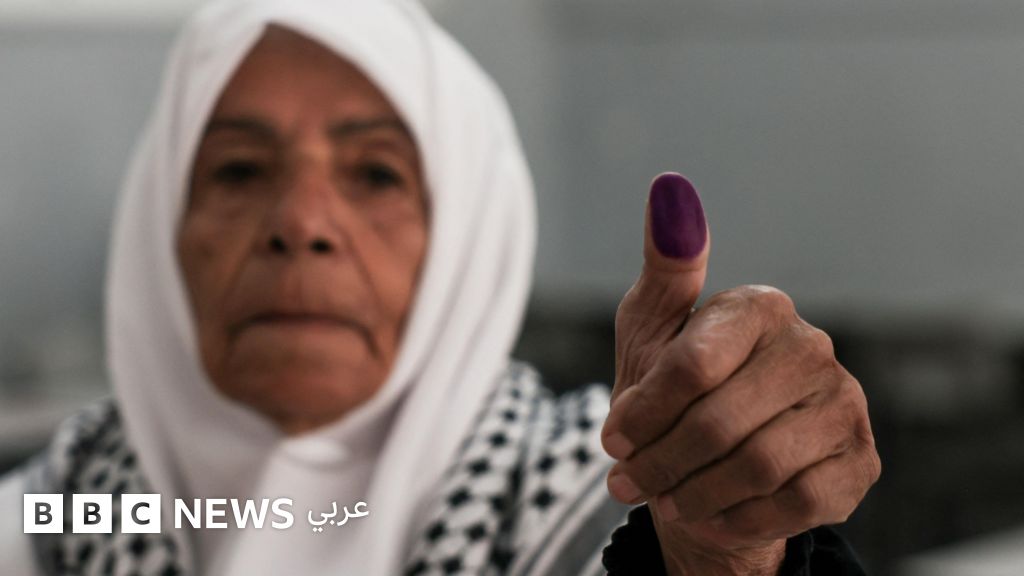
On April 25, 2026, more than half a million Palestinians in the occupied West Bank and central Gaza participated in local elections, marking the first municipal vote in Gaza since 2006. According to the Palestinian Central Elections Commission, 512,510 voters cast ballots across the West Bank, representing a 53.44% turnout among eligible voters. In Deir al-Balah, central Gaza, 15,962 residents voted out of 70,449 registered voters, yielding a 22.66% participation rate. The voting process concluded at 7:00 PM local time, with election officials reporting no significant irregularities.
The elections were conducted under the framework of the Palestinian Local Elections Law, which governs the selection of municipal and village councils in Areas A and B of the West Bank and, exceptionally, in parts of Gaza under Palestinian Authority administration. While Hamas did not officially nominate candidates or participate in the organizational structure of the vote, independent candidates affiliated with or sympathetic to the group appeared on ballots in several districts, particularly in Gaza. The Palestinian Authority, led by President Mahmoud Abbas, facilitated the vote through its administrative apparatus, though its authority in Gaza remains limited following the 2007 split with Hamas.
Observers noted that the low turnout in Gaza reflected widespread voter apathy, ongoing economic hardship, and skepticism about the elections’ ability to address pressing humanitarian needs after nearly two decades of isolation and conflict. In the West Bank, turnout was consistent with the 2021 municipal elections, suggesting stable engagement among voters despite broader political stagnation and the absence of a national political horizon. International monitors were not deployed, but local civil society groups reported that polling stations opened on time and that ballot counting proceeded transparently in most locations.
The results are expected to influence local governance in areas such as sanitation, infrastructure, and public services, though elected councils operate under significant constraints due to Israeli military control over borders, airspace, and security in the West Bank, and the ongoing blockade and periodic military operations in Gaza. Analysts suggest that while the vote does not alter the broader stalemate between Fatah and Hamas, it may offer a limited indicator of grassroots sentiment ahead of any potential future national elections, which have been repeatedly postponed since 2006.
No official date has been announced for the next phase of the local electoral process, which may include runoff elections or voting in additional localities. The Palestinian Central Elections Commission has stated it will release final certified results within ten days of the vote, pending the resolution of any outstanding appeals.
For ongoing updates, readers can refer to the official website of the Palestinian Central Elections Commission or statements from the Palestinian Authority’s Ministry of Local Government.
What are your thoughts on the significance of these local elections in the current political climate? Share your perspective in the comments below and help spread awareness by sharing this article.