
SAN FRANCISCO — In the rapidly evolving landscape of global cybersecurity, consolidation remains a primary driver of strategic growth. Recent reports have surfaced suggesting that Palo Alto Networks, a titan in the enterprise security sector, is in advanced discussions to acquire the Israeli startup Koi Security for a reported sum of $400 million. While official confirmation from both parties remains pending, the potential move highlights a significant trend: the continued appetite of major U.S. Tech firms for specialized, highly technical Israeli security solutions.
For those tracking the industry, the potential acquisition of Koi Security—a firm known for its focus on automated threat detection and incident response—fits neatly into the broader strategy of Palo Alto Networks. The company has been aggressively expanding its “platformization” approach, aiming to provide a unified security architecture that reduces the complexity often associated with managing disparate cybersecurity tools. As Palo Alto Networks continues to integrate diverse technologies, the addition of Koi Security’s specific defensive capabilities could provide a crucial edge in automating security operations center (SOC) workflows.
This potential deal is not merely a financial transaction; it serves as a litmus test for market sentiment regarding the Israeli cybersecurity ecosystem. Despite geopolitical headwinds and regional instability, the sector has shown remarkable resilience in attracting foreign investment. According to data from the Institute for National Security Studies (INSS), the Israeli tech sector remains a global powerhouse in defensive innovation, with cyber-focused firms consistently securing high-value exits and partnerships with international conglomerates. If finalized, the $400 million valuation would reinforce the view that specialized security startups, particularly those leveraging machine learning to combat modern threat vectors, remain high-priority targets for global enterprise leaders.
Strategic Consolidation and the Shift Toward Automation
The cybersecurity industry is currently grappling with a “tool fatigue” crisis. Enterprise security teams often manage dozens of different products, leading to data silos, missed alerts, and delayed response times. Palo Alto Networks has been at the forefront of the push to consolidate these functions under its Cortex and Prisma platforms, which emphasize automation and AI-driven intelligence. Koi Security, if brought into this fold, would likely bolster these existing frameworks by providing more granular, automated threat-hunting capabilities.
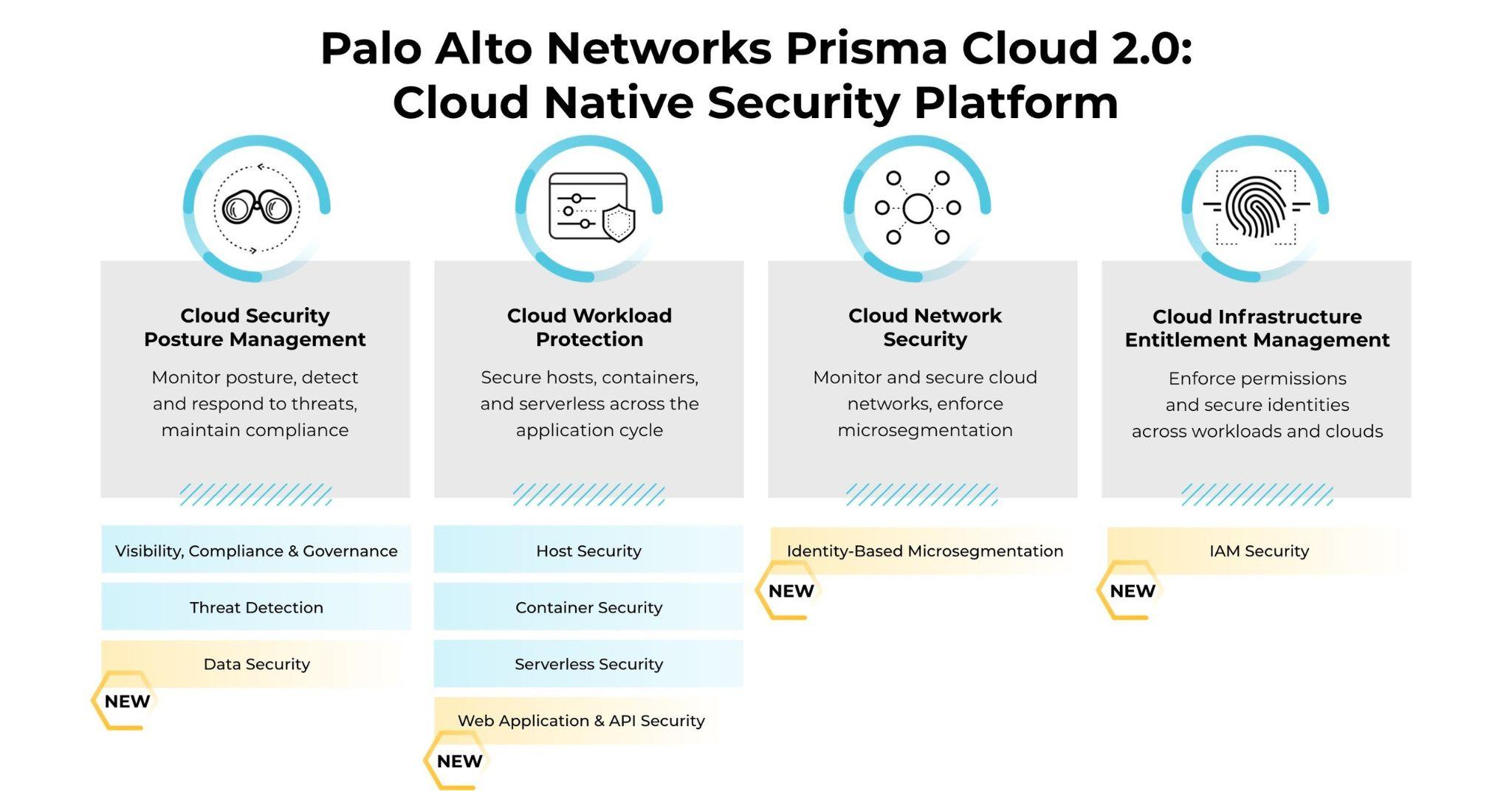
The core value proposition of an acquisition like this lies in the integration of specialized intellectual property. Startups like Koi Security often develop proprietary algorithms or niche detection methods that are demanding to replicate at scale. By acquiring these entities, larger firms like Palo Alto Networks can accelerate their product roadmap by years, effectively “buying” innovation rather than building it from the ground up. This strategy has been a cornerstone of their growth, characterized by a series of acquisitions aimed at closing gaps in their cloud security and network defense portfolios.
However, successful integration is notoriously difficult. As many in the industry have noted, the challenge for Palo Alto Networks will be to maintain the agility of the Koi Security team while folding their technology into a massive, multi-faceted enterprise environment. Investors and analysts will be watching closely to see how this transition is managed, as the success of such acquisitions often dictates the long-term stock performance and market dominance of the parent organization.
What This Means for the Global Cybersecurity Market
The potential acquisition also underscores the enduring strength of the “cyber-corridor” between Silicon Valley and Tel Aviv. Many of the most influential cybersecurity companies globally—including Check Point Software Technologies and CyberArk—have deep roots in Israel. For Palo Alto Networks, maintaining a presence and a pipeline of talent in this region is essential for staying ahead of sophisticated, state-sponsored, and criminal threat actors.
From a market perspective, this deal could signal a “thaw” in the M&A (mergers and acquisitions) landscape for security startups. Throughout 2023 and into early 2024, the venture capital market for cybersecurity experienced a period of relative caution, driven by broader economic uncertainty and high interest rates. A $400 million deal of this nature could serve as a confidence builder, encouraging further investment in early-stage startups that focus on solving specific, high-impact problems in the security stack.
For the average enterprise, the consolidation of the market generally results in more integrated, albeit more expensive, security suites. While vendors argue that these unified platforms lower the total cost of ownership by reducing the need for specialized training across different tools, some industry experts warn that it also increases “vendor lock-in.” Organizations should carefully evaluate how these acquisitions affect their long-term ability to maintain a heterogeneous security strategy, as relying on a single platform provider can present its own set of risks.
Looking Ahead: Verification and Next Steps
As of this writing, neither Palo Alto Networks nor the leadership at Koi Security have issued a formal press release confirming the acquisition. This proves important for stakeholders to note that reports of such deals are often based on insider leaks or preliminary discussions that may not always reach final closure. The definitive source for confirmation will be the official Palo Alto Networks Investor Relations portal, where any material definitive agreement would be disclosed in accordance with SEC reporting requirements.

Market observers should also monitor the company’s next quarterly earnings call for any commentary regarding M&A strategy or shifts in capital allocation. While the current reports suggest an impending deal, the complexity of international regulatory approvals—particularly involving cross-border technology transfers—can often lead to extended timelines or, in some cases, the abandonment of the deal entirely.
We will continue to monitor this situation as it develops and will provide updates as official statements become available. In the meantime, we invite our readers to share their thoughts on the trend of consolidation in the cybersecurity industry. Do you believe these mega-platforms provide better security, or does it stifle the innovation that smaller, independent startups bring to the table? Join the conversation in the comments section below.
Related reading
- GTA 6 Release News: Why PC Version is Delayed & Latest Leaks Explained
- Binance Listings Spark Surge in Shiba Inu and PEPE, PEPE Emerges as Top New Cryptocurrency
- Latvia Discusses Regional Security With US Congressional Delegation (archyworldys.com)
- Israeli settlers set fire to Al-Rahma Mosque in Qusra, West Bank (time.news)