
The scheduled April 14 deposition of former U.S. Attorney General Pam Bondi before the House Oversight Committee is set to be rescheduled. The move comes as the Department of Justice maintains that Bondi will not appear for the testimony now that she no longer holds the office of Attorney General.
The deposition was intended to address the Department of Justice’s (DOJ) handling of the high-profile investigation into Jeffrey Epstein and the government’s compliance with the Epstein Files Transparency Act. This development adds a new layer of complexity to an already volatile confrontation between congressional investigators and the executive branch over the release of sensitive documents.
The conflict centers on the tension between the House Committee on Oversight and Government Reform and the DOJ regarding what information should be made public. While some documents have been released, lawmakers continue to clash over the extent of the remaining redactions and the motivations behind the withholding of specific files.
The Subpoena and the Epstein Files Transparency Act
The push for Bondi’s testimony began in earnest in March 2026. On March 17, 2026, Chairman James Comer (R-Ky.) issued a formal subpoena to Attorney General Pam Bondi following the House Committee on Oversight and Government Reform’s approval of a motion. The subpoena specifically targeted the DOJ’s management of the Epstein investigation and its adherence to the mandates of the Epstein Files Transparency Act.
Shortly after the subpoena was issued, Bondi and Deputy Attorney General Todd Blanche provided a private briefing to members of the House Committee on Oversight and Government Reform on Wednesday, March 18, 2026 as part of the ongoing inquiry. Despite this briefing, the committee sought a formal deposition to secure testimony under oath.
The Epstein Files Transparency Act was designed to ensure that the public and congressional overseers have access to the records associated with the disgraced financier’s network. However, the implementation of this transparency has been a point of fierce contention, with the committee questioning why certain documents remained concealed while others were released.
Allegations of Cover-Ups and Political Interference
The rescheduling of Bondi’s testimony occurs against a backdrop of serious allegations from Oversight Democrats. On March 6, 2026, a spokesperson for Oversight Democrats released a statement claiming that the White House was engaged in an ongoing cover-up after the DOJ released a portion of previously withheld documents. These documents reportedly contained allegations of sexual abuse of an underage victim by President Trump.
According to the statement, the FBI had interviewed the witness in question four times, yet key documents relating to the FBI’s handling of the case remained withheld. Sara Guerrero, spokesperson for Oversight Democrats, emphasized that millions of pages of records still remain concealed from both the public and the committee as the committee sought answers from Bondi under oath.
Further complicating the matter, Ranking Member Garcia has raised alarms regarding the DOJ’s internal conduct. Garcia previously demanded answers from Bondi regarding the suppression of documents and later called for her resignation after learning that the DOJ had allegedly been spying on the search history of Members of Congress who were accessing unredacted versions of the Epstein files according to the Oversight Democrats’ statement.
The Impact of Bondi’s Departure
The current impasse over the April 14 deposition is tied directly to Pam Bondi’s removal from her position as Attorney General. While the DOJ has argued that her change in status exempts her from the current deposition schedule, members of the House Oversight Committee have signaled they will not let the matter drop. Reports indicate that lawmakers are vowing to force Bondi to testify despite her ouster as of April 2, 2026.
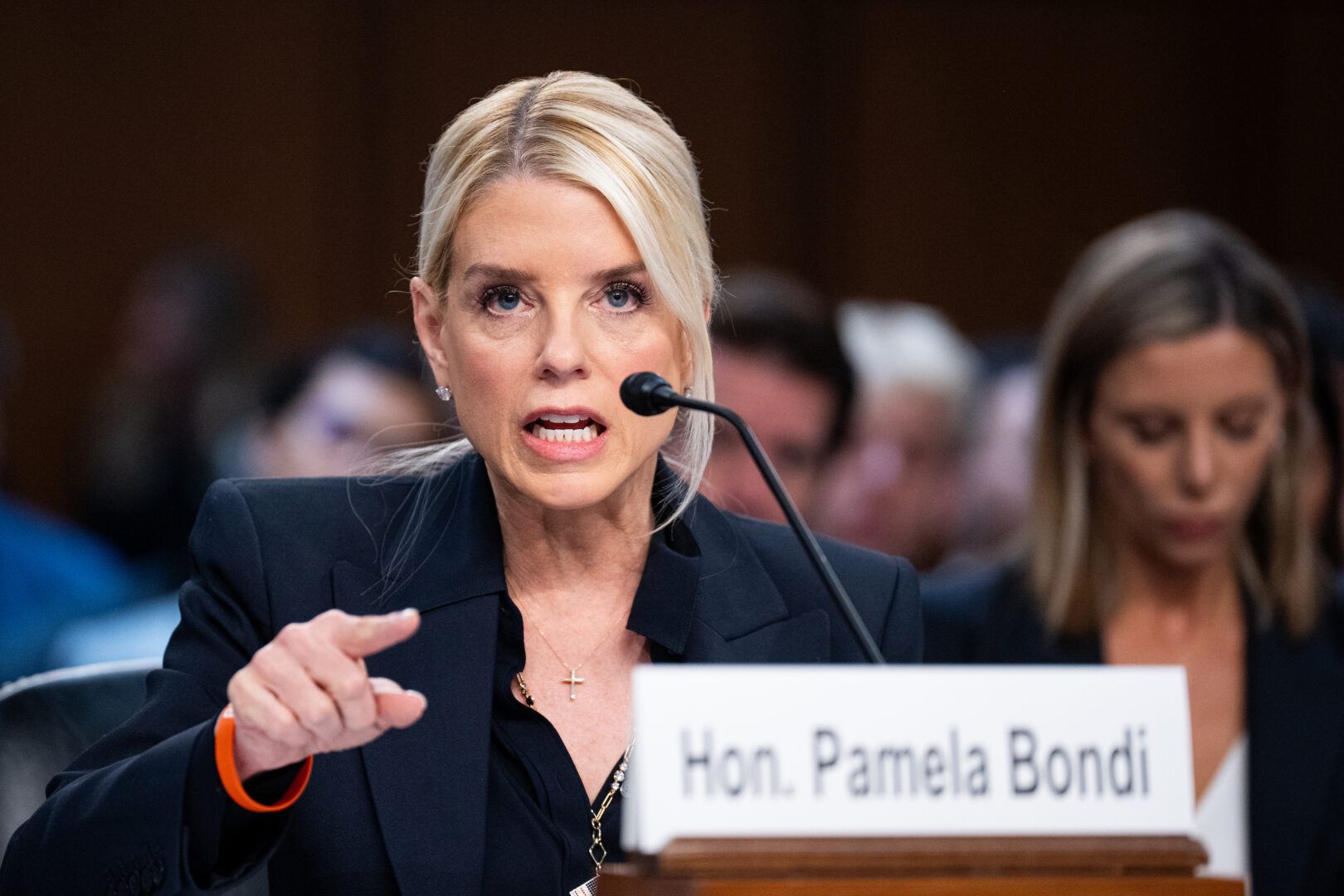
The circumstances surrounding her departure have also drawn scrutiny. Deputy Attorney General Todd Blanche has noted that the specific reasons for Bondi’s firing are known only to President Trump.
The legal question now facing the committee is whether a subpoena issued to a sitting Attorney General remains enforceable or requires modification once that individual becomes a private citizen. This procedural hurdle is the primary driver behind the rescheduling of the April 14 date.
Key Timeline of Events
| Date | Event | Details |
|---|---|---|
| March 6, 2026 | Democrats’ Statement | Allegations of White House cover-up and DOJ spying on Congress released. |
| March 17, 2026 | Subpoena Issued | Chairman James Comer subpoenas AG Pam Bondi regarding the Epstein investigation official release. |
| March 18, 2026 | Private Briefing | Pam Bondi and Todd Blanche brief the Oversight Committee official release. |
| April 2, 2026 | Lawmaker Vows | Members of the committee vow to force testimony despite Bondi’s ouster reported. |
| April 14, 2026 | Scheduled Deposition | Original date for Bondi’s testimony. now subject to rescheduling. |
The resolution of this scheduling conflict will likely determine the pace of the committee’s investigation into the Epstein files. If the committee successfully compels Bondi’s testimony, it could lead to further revelations regarding the Department of Justice’s internal handling of evidence and its interactions with the White House.
The next confirmed checkpoint will be the announcement of a new date for the deposition, pending negotiations between the House Oversight Committee and legal representatives for the former Attorney General.
We invite our readers to share their thoughts on this developing story in the comments below. Please share this report to keep others informed on the progress of the Epstein files investigation.