Commercial ships transiting the Panama Canal face soaring operational expenses as the ongoing conflict in Iran and severe low-water conditions driven by El Niño squeeze global trade routes. According to reporting from the Financial Times and Bloomberg, the auction price for a transit slot through the main locks of the Panama Canal averaged roughly $1.1 million this month, marking a dramatic escalation compared to historical norms. Highlighting the extreme pressure on the vital maritime choke point, the owner of the container ship Seaspan Benefactor reportedly paid $4 million in an auction to jump the queue and advance its place in the transit order.
Typically, vessels traversing the roughly 50-mile waterway pay a standard fee through advance reservations. However, the Panama Canal Authority also operates an auction system that allows commercial operators to bypass the general waiting line during periods of high congestion. These auction prices have surged over 16 times higher than averages recorded during the same period last year, driven by concurrent geopolitical disruptions in the Middle East and environmental constraints in Central America.
The convergence of military conflict and meteorological shifts has upended traditional logistics models for international shipping companies. As global supply chains adjust to fluctuating maritime restrictions, industry stakeholders face extended delays, heavier cost burdens, and tightening operational tolerances across both the Pacific and Atlantic approaches.
Strait of Hormuz Disruption Boosts Panama Canal Demand
The primary driver behind the recent spike in transit demand stems from the closure of the Strait of Hormuz, a critical maritime corridor through which roughly one-fifth of global crude oil flows. Following the outbreak of the Iran war, shipping patterns for energy products shifted significantly. As traditional Middle Eastern supply routes faced severe bottlenecks or outright closures, Asian buyers turned their attention toward North American markets.
According to market analysis, Asian purchasers dramatically increased their acquisition of crude oil and refined petroleum products sourced from the U.S. Gulf Coast. This surge in trans-Pacific energy transport created an immediate spike in demand for transit slots through the Panama Canal, transforming the shortcut into an essential artery for global energy security.
Commodity price information firm Argus noted that individual auction prices for the Neo-Panamax large locks—which accommodate larger commercial carriers—climbed as high as $3.78 million in recent weeks. Meanwhile, auctions for the traditional Panamax locks reached peaks of $2.63 million, reflecting intense competition among energy traders and container lines desperate to avoid costly detours around South America.
El Niño Weather Systems and Draft Restrictions
Compounding the traffic pressures caused by shifting energy trade routes, extreme weather conditions have severely restricted the canal’s operational capacity. El Niño has driven unusually dry conditions across Central America since June, causing water levels in Lake Gatun—the artificial reservoir that supplies the canal locks—to drop well below the 1965–2022 historical average.
In response to falling water levels, the Panama Canal Authority has progressively lowered the maximum allowable draft for vessels passing through the locks. Over the past month, authorities announced multiple draft restrictions for the Panamax locks, bringing the maximum allowable depth down from the standard 50 feet to 47.5 feet. These restrictions are scheduled to remain in effect through September 3.
Ross Griffiths, head of Americas freight rate pricing at Argus, highlighted the unusual timing of these environmental pressures, noting that water levels do not normally drop during the May-to-December period. When draft limits tighten, commercial operators must reduce their cargo loads so that their vessels sit higher in the water. This reduction in cargo capacity forces shipping lines to deploy additional voyages or absorb higher transportation expenses per unit of cargo.
Operational Bottlenecks and Vessel Delays
Beyond draft restrictions, scheduled lock maintenance and repair work across the infrastructure network have further exacerbated transit delays. Bloomberg reported that repair operations expected to continue through September are actively impacting throughput at the Neo-Panamax locks, which handle larger container ships, bulk carriers, and gas tankers.
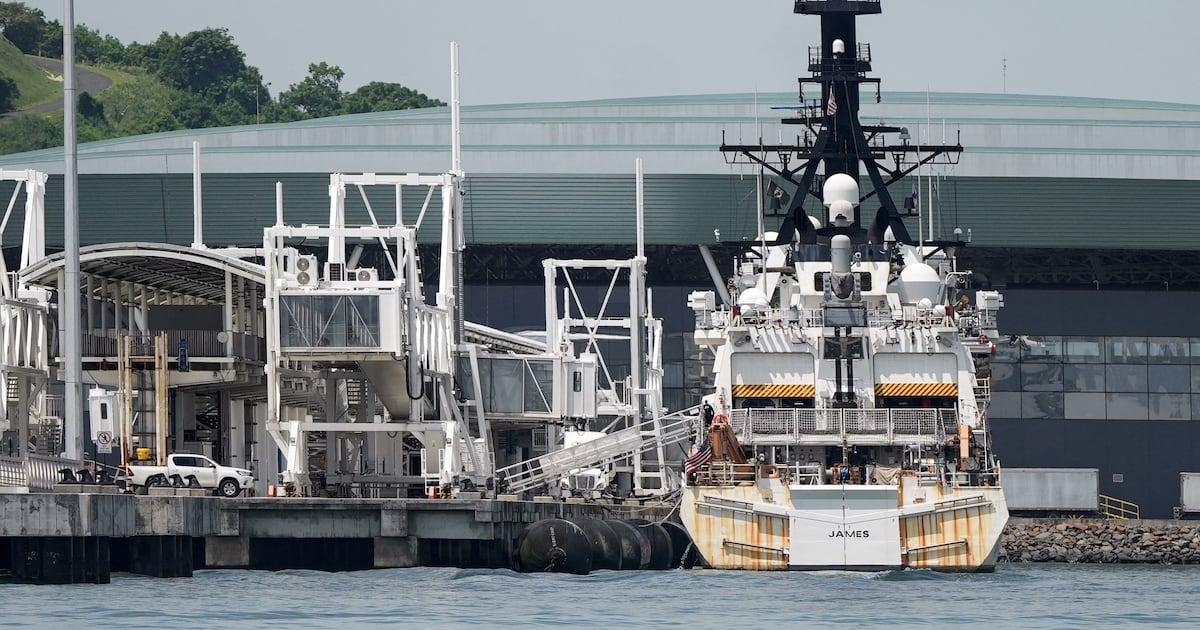
Because of these combined constraints, Neo-Panamax vessels carrying liquefied petroleum gas (LPG), liquefied natural gas (LNG), and refined petroleum products currently face average waiting times of up to 10 days to transit from the Pacific Ocean to the Atlantic Ocean.
While the Panama Canal Authority confirmed that some individual vessels have paid over $1 million to secure priority transit slots, industry analysts warn that high slot prices will likely persist. With the Strait of Hormuz closure showing no immediate signs of resolution and Lake Gatun’s water levels continuing to trend below seasonal averages, shipping companies must budget for elevated transit costs for the foreseeable future.