
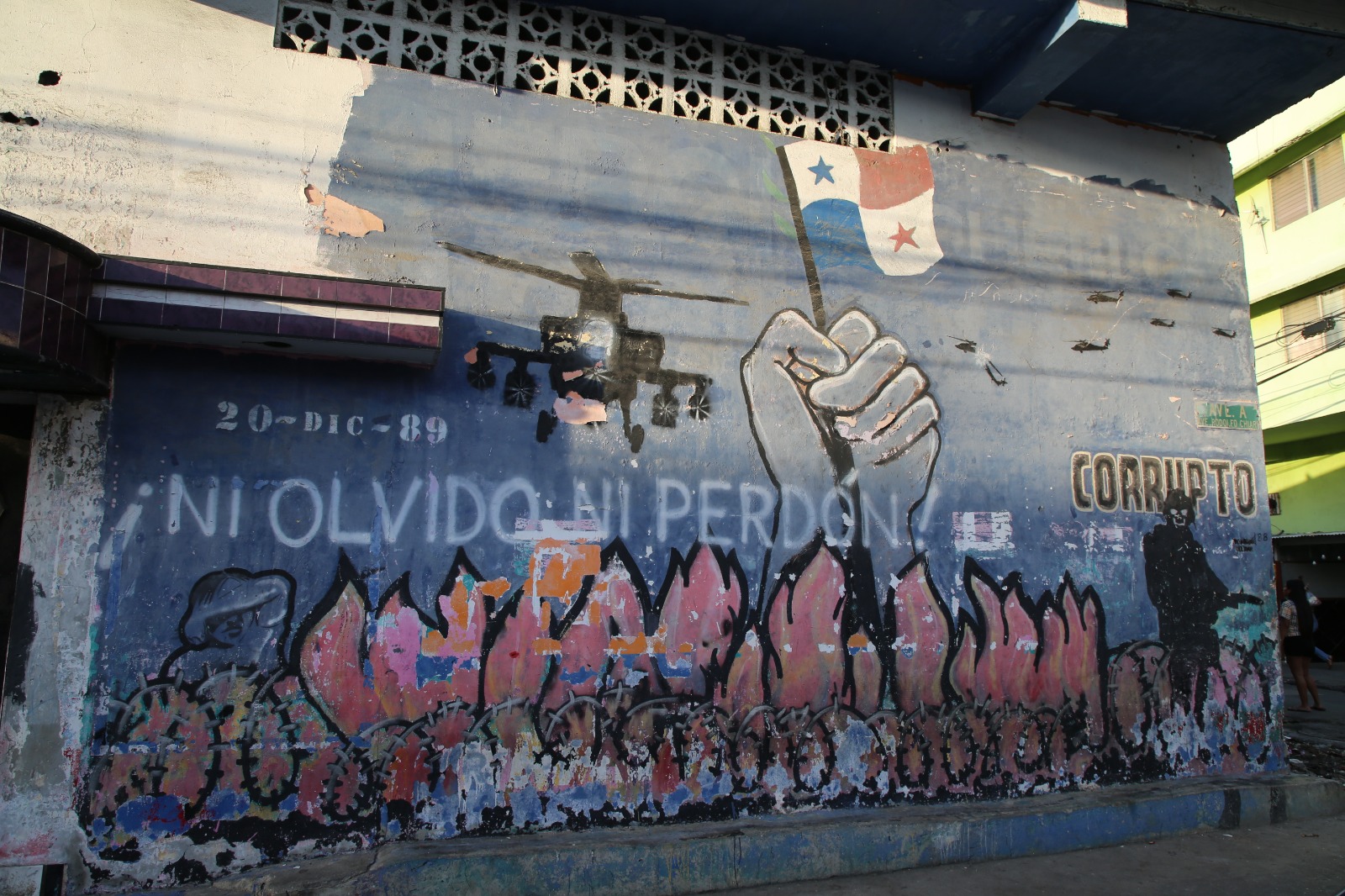
The Enduring Legacy of the 1989 Panama Invasion: A Reckoning
The United States’ 1989 invasion of Panama,codenamed “Operation Just Cause,” remains a pivotal and controversial moment in modern history. It’s a period often glossed over, yet its repercussions continue to shape the region and U.S. foreign policy today. Understanding the full scope of this event requires a critical examination of its origins, execution, and lasting consequences.
The Road to Intervention
Tensions between the U.S. and Panama had been escalating for years, largely centered around the figure of Manuel Noriega. noriega, who had long been a U.S. ally, became increasingly problematic due to his involvement in drug trafficking. He was indicted in the U.S. on drug charges in 1990, further straining relations.
However, the situation was far more complex than simply a drug war. Consider these key factors:
* The Panama Canal Treaties: The treaties signed in 1977 promised the eventual transfer of the Panama Canal to Panamanian control. This understandably caused anxiety within certain U.S. political circles.
* U.S. Interests: The U.S. maintained a significant military presence in Panama, protecting its strategic interests in the region. Noriega’s increasingly unpredictable behavior threatened those interests.
* Domestic Political Instability: Panama experienced growing internal unrest, with opposition groups challenging Noriega’s authoritarian rule.
These converging factors created a volatile environment ripe for intervention.
Operation Just Cause: A Swift and Deadly Operation
On December 20, 1989, the U.S. launched a full-scale invasion of Panama. The operation involved over 20,000 troops, and its stated goals were to remove noriega from power, safeguard American lives, and restore democracy.
The invasion unfolded rapidly. Key objectives were seized, and Noriega was eventually cornered in the Vatican embassy. Here’s a breakdown of the key events:
* initial Air Strikes: The operation began with targeted air strikes against Panamanian Defense Forces (PDF) installations.
* Ground Assault: U.S. troops quickly secured key infrastructure,including airports,bridges,and communication networks.
* Noriega’s Surrender: After days of resistance, Noriega surrendered to U.S. authorities on january 3, 1990.
However, the swiftness of the operation came at a significant cost. Civilian casualties were significant, and the invasion sparked widespread destruction.
The Human Cost and Lasting consequences
The invasion’s impact on Panama was devastating. Estimates of civilian deaths range from several hundred to over a thousand.Beyond the immediate loss of life, the invasion left a legacy of trauma, displacement, and economic hardship.
You might be wondering about the long-term effects. Here are some key consequences:
* Political Transition: A new government was installed in Panama, but its legitimacy was questioned by many Panamanians.
* Economic Disruption: The invasion severely damaged Panama’s economy, disrupting trade and investment.
* U.S. Reputation: The invasion damaged the U.S.’s reputation in Latin America, fueling anti-American sentiment.
* Increased Drug Trafficking: Ironically, despite being a stated goal of the invasion, drug trafficking continued to flourish in Panama after Noriega’s removal.
A Critical Reassessment
Decades later, it’s crucial to reassess the 1989 invasion of Panama. Was it a justifiable intervention? Did it achieve its stated goals?
Many argue that the invasion was a violation of international law and a exhibition of U.S. imperialism.Others maintain that it was a necessary step to protect American interests and promote democracy.
ultimately, the legacy of the invasion remains a subject of intense debate. It serves as a stark





