Paris, France – The City of Lights is once again the epicenter of the fashion world as Paris Fashion Week® showcases the latest prêt-à-porter collections for Autumn/Winter 2026-2027. Running from March 2nd to March 10th, the event follows showcases in New York, London, and Milan, solidifying Paris’s position as a key trendsetter for the upcoming season. This year’s presentations, as observed across numerous houses, demonstrate a return to craftsmanship and a focus on tactile materials, signaling a potential shift in consumer desires towards enduring quality and considered design. The Fédération de la Haute Couture et de la Mode, the governing body of Paris Fashion Week, has curated a diverse calendar featuring established luxury brands and emerging designers.
Beyond the runway, Paris Fashion Week is a significant economic driver for the city and the wider French fashion industry. According to the Fédération de la Haute Couture et de la Mode, the event generates substantial revenue through tourism, retail sales, and media coverage. The week too serves as a crucial platform for networking and collaboration within the industry, bringing together buyers, stylists, editors, and influencers from around the globe. The influence of Paris Fashion Week extends far beyond the immediate commercial impact, shaping global style trends and influencing consumer behavior for seasons to arrive.
Hermès and Dior: A Study in Contrasts
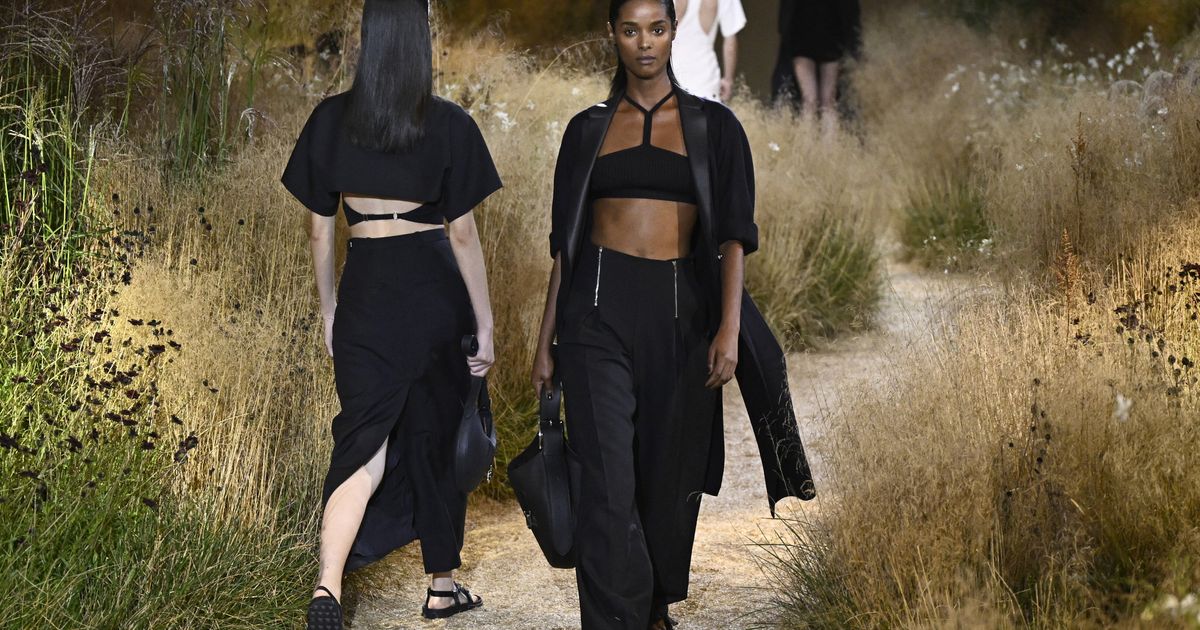
Among the most anticipated shows of the week, Hermès presented a collection deeply rooted in the brand’s heritage of leather craftsmanship. Creative director Nadège Vanhee-Cybulski focused on the versatility of leather, presenting long coats, aviator jackets, sleek cycling shorts crafted from polished lambskin, and classic jodhpur pants. The presentation itself was understated, with a runway covered in moss and subdued lighting evoking a twilight atmosphere. The color palette remained true to the house’s signature aesthetic – deep navy, forest green, and burgundy – punctuated by accents of orange and yellow. This collection underscored Hermès’ commitment to timeless elegance and enduring quality.
In contrast, Dior, under the direction of Jonathan Anderson, explored themes of fluidity and softness. The collection featured draped silhouettes, ruffles, and rounded volumes, with jackets boasting dramatic volant details, flowing skirts, and dresses constructed with rounded shapes. Materials included tweed, treated denim, organza, and luminous silks, offering a modern interpretation of the iconic Bar jacket, a cornerstone of the Dior aesthetic. The juxtaposition of structured and flowing elements created a dynamic and visually compelling presentation.
Schiaparelli, Chloé, Rabanne, and Dries Van Noten: Diverse Visions
Daniel Roseberry continued to build upon the surrealist legacy of Elsa Schiaparelli at the Schiaparelli show. The runway showcased sculptural jewelry, trompe-l’oeil embroidery, and accessories that transformed garments into visual statements. Silhouettes remained streamlined, often in black or cream, allowing the intricate details to seize center stage. The collection demonstrated a continued exploration of artistic expression and unconventional design.
Chloé, now under the creative direction of Chemena Kamali, presented a collection focused on a fluid and bohemian aesthetic. Capes, ponchos, and dresses with embroidered yokes flowed down the runway, crafted from lightweight fabrics that moved with the body. The collection evoked a sense of effortless chic and relaxed sophistication.
Julien Dossena at Rabanne embraced the house’s signature aesthetic of shimmering surfaces and metallic textures. The collection blended technical materials, jacquard fabrics, and luminous details, creating a futuristic and dynamic look. The use of color and embellishment was prominent, reflecting Rabanne’s bold and innovative spirit.
Dries Van Noten’s collection was characterized by rich textures and intricate detailing. The designer showcased a masterful use of velvet, embroidery, and prints, creating a sequence of looks that were visually opulent and layered. The collection demonstrated Van Noten’s signature artistry and attention to detail.
Alaïa and the Future of Versace
The Alaïa show, led by Pieter Mulier, garnered significant attention, particularly in light of Mulier’s recent appointment as the creative director of Versace, set to start in July 2026. The collection focused on body-conscious silhouettes, with dresses following the natural curves of the body through precise cuts and elastic fabrics. This presentation served as a showcase of Mulier’s design sensibility as he transitions to a new role at the iconic Italian house. The appointment follows Versace’s acquisition by the Prada Group in 2025, marking a new chapter for the brand and prompting industry speculation about the direction it will take under new leadership.
The shift of Versace to the Prada Group is a significant development in the luxury fashion landscape. The Prada Group, known for its strategic brand management, is expected to provide Versace with the resources and infrastructure to further expand its global reach. This acquisition signals a consolidation of power within the industry and a potential reshaping of the competitive landscape.
A Young Vision: Max Alexander
One of the most talked-about moments of the week was the debut of Max Alexander, a nine-year-old American designer who presented his brand, Couture to the Max, at Paris Fashion Week. His collection featured highly decorative dresses adorned with tulle, mantles, and vibrant colors. Alexander is being hailed as the youngest designer to ever showcase a collection during a major Fashion Week, sparking conversations about inclusivity and the future of fashion. This unexpected appearance injected a sense of youthful energy and creativity into the event.
Looking Ahead
The Paris Fashion Week calendar continues with anticipated shows from Lacoste, Akris, Jean Paul Gaultier, Ottolinger, and Alexander McQueen, which will close out the Parisian season. Paris remains a central hub in the international fashion calendar, attracting industry professionals and enthusiasts from around the world. The collections unveiled this week will begin their journey from showrooms to campaigns and ultimately to retail stores, shaping the fashion landscape for the upcoming season. The influence of these designs will be felt across the globe, impacting trends and inspiring consumers for months to come.
As the week progresses, the focus will undoubtedly shift towards analyzing the overarching themes and trends emerging from the runways. The emphasis on craftsmanship, tactile materials, and diverse aesthetics suggests a growing desire for authenticity and individuality in fashion. The industry is also grappling with issues of sustainability and inclusivity, prompting designers to explore innovative materials and embrace a wider range of perspectives.
The next major event on the fashion calendar is the upcoming menswear shows, scheduled to take place in Paris in June 2026. These presentations will offer a glimpse into the trends shaping men’s fashion for the Spring/Summer 2027 season. Industry observers will be closely watching to see how designers continue to address the evolving needs and preferences of the modern man.
What are your thoughts on the trends emerging from Paris Fashion Week? Share your opinions in the comments below, and don’t forget to share this article with your network!
Keep reading