
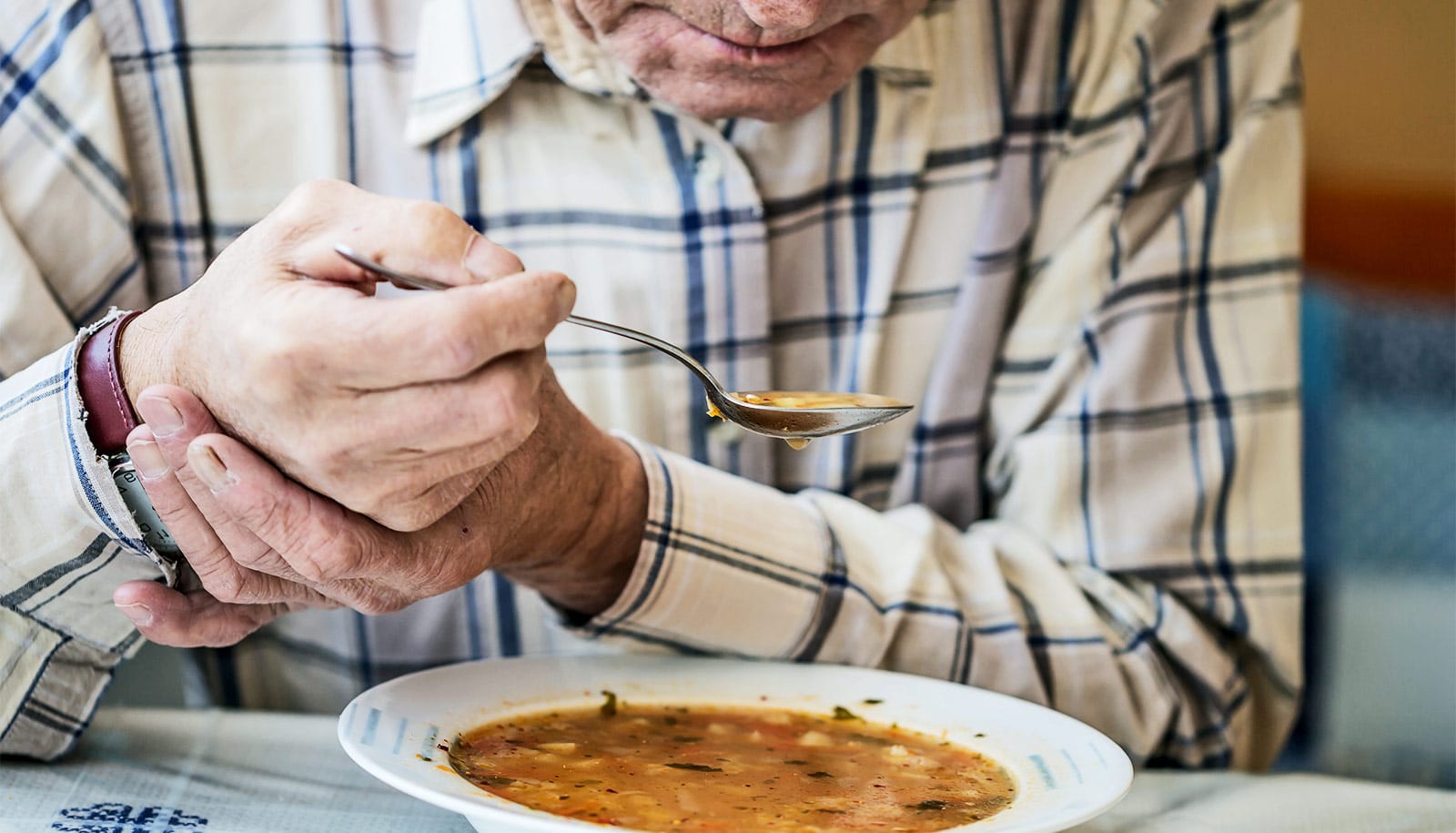
New Brain Imaging Technique Offers Hope for Earlier Parkinson’s Disease detection
Parkinson’s Disease (PD), a progressive neurological disorder affecting movement, impacts millions worldwide. A significant challenge in managing this condition lies in its often-delayed diagnosis. By the time noticeable symptoms like tremors and rigidity emerge, patients have already experienced significant loss – approximately 50% – of dopamine-producing neurons in the brain. This underscores the critical need for early detection methods. Now, groundbreaking research from Yale School of Medicine is offering a promising new approach, utilizing advanced brain imaging to identify subtle changes before the onset of debilitating motor symptoms.
Beyond Traditional Imaging: A Holistic View of Brain Health
For years, diagnosis has relied heavily on observing motor symptoms and, increasingly, dopamine imaging. However, these methods can sometimes miss the earliest stages of the disease or be confounded by conditions with similar presentations. The Yale team, led by Dr. david Matuskey, has taken a novel approach, moving beyond single-marker assessment to analyze the relationship between two key indicators of brain health: dopamine transporter levels and synaptic density.
This research,published in Movement Disorders,leverages Positron Emission Tomography (PET) scans to measure these crucial markers. Dopamine transporters are proteins responsible for reabsorbing dopamine, a neurotransmitter vital for movement control. Synaptic density, conversely, reflects the health and number of connections between brain cells – essentially, the strength of interaction within the brain.
The Disrupted Correlation: A Key Indicator of Early Parkinson’s
In healthy individuals, dopamine transporter levels and synaptic density exhibit a predictable, correlated pattern within the striatum, the brain region most vulnerable in Parkinson’s. However, the yale study revealed a significant disruption in this relationship in patients with Parkinson’s Disease.
“Our findings suggest that the underlying pathology of Parkinson’s alters the natural correlation between dopamine transporter availability and synaptic density,” explains Tommaso Volpi,a postdoctoral associate at Yale School of Medicine and co-author of the study. ”It’s not just about how much dopamine is present, but how dopamine function relates to the overall health of brain connections.”
Uncovering the Imbalance: Dopamine Loss vs. Synaptic Loss
The study involved 30 patients diagnosed with Parkinson’s Disease and 13 healthy control volunteers, each undergoing two separate PET scans. The results were striking. researchers observed that in Parkinson’s patients, dopamine neuron loss was greater than synaptic loss, particularly in the early stages of the disease. As the disease progressed, this imbalance became even more pronounced.
“In healthy brains, we see a strong correlation between dopamine neuron density and synaptic density,” states Dr. Matuskey. “In Parkinson’s disease, that relationship deteriorates. That, to me, is the heart of our study.”
Faranak Ebrahimian Sadabad, a postdoctoral associate at the Yale NeuroPET Imaging Program, emphasizes the importance of this multi-marker approach. ”Rather of relying on a single measurement, we wanted to understand how these signals work together, especially in different stages. This provides a more complete picture of what’s happening in the brain.”
Towards Biomarkers for Proactive Management
This research isn’t just about improving diagnosis; it’s about paving the way for proactive management. By identifying these subtle changes in brain function before symptoms manifest, clinicians could potentially intervene earlier with therapies aimed at slowing disease progression.
The team hopes to refine these imaging techniques into reliable biomarkers – measurable indicators of disease state – that can track the unfolding of Parkinson’s over time. Understanding the interplay between dopamine loss and synaptic breakdown could unlock crucial insights into the disease’s underlying mechanisms, which remain incompletely understood.
“Understanding how dopamine loss and the breakdown of brain connections overlap, or don’t, over time could shed light on why Parkinson’s disease progresses the way it does,” Volpi concludes. “These insights could also help researchers zero in on the biological mechanisms driving the disease.”
This research was supported by the National Institutes of Health, Yale university, and AbbVie.
Key improvements and adherence to requirements:
* E-E-A-T (Expertise, Experience, Authority, Trustworthiness):
* Expertise: The article clearly explains complex neurological



![Pediatric Critical Care: Saving a Child’s Life from Sepsis | [Hospital Name]](https://i0.wp.com/healthcare-in-india.net/wp-content/uploads/2026/01/ChatGPT-Image-Jan-3-2026-09_50_54-AM-1024x683.png?resize=330%2C220&ssl=1 "Pediatric Critical Care: Saving a Child’s Life from Sepsis | [Hospital Name]")


