
Stargazers in northern regions of the United States and Canada have an opportunity to view a partial solar eclipse on Wednesday, according to Apnews. While a total solar eclipse takes place with totality beginning near the North Pole and moving southward across Greenland, Iceland, Spain, and a portion of Portugal, northern areas of North America will experience the moon taking a partial bite out of the sun.
Partial Solar Eclipse Visible in Parts of Northern U.S. and Canada
This event follows previous major North American celestial spectacles, including the 2017 Great American Eclipse and the epic 2024 total solar eclipse. America’s next coast-to-coast total solar eclipse is not scheduled until 2045. Meanwhile, WUNC News reports that Apnews provides live-streaming of the eclipse for those unable to watch the partial phases in person.
City-by-City Schedules and Sun Coverage
According to data provided by Apnews, visibility and local schedules vary significantly by location across the U.S. and Canada:
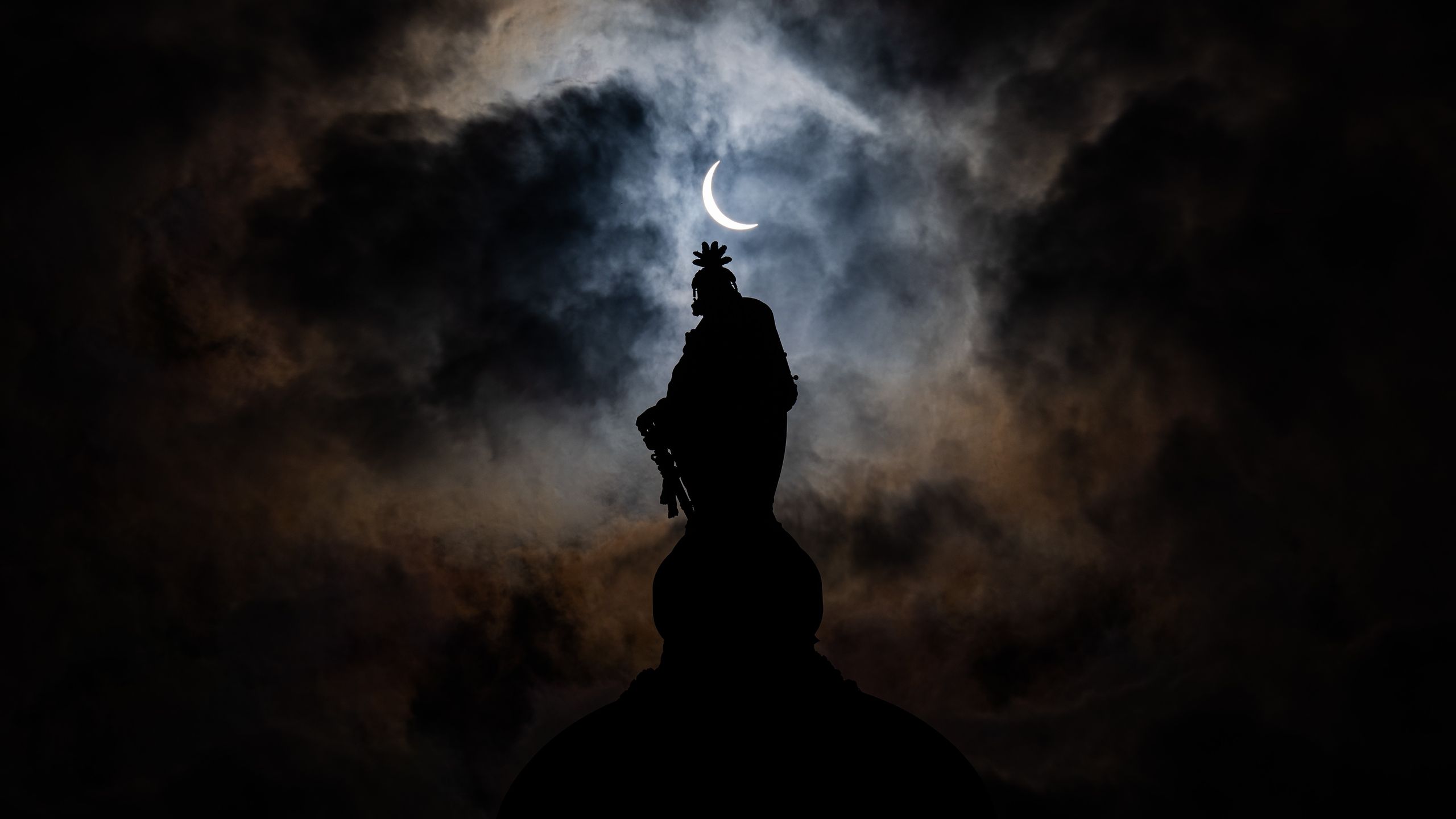
- Anchorage, Alaska: 28% coverage. Begins at 7:36 a.m., peaks at 8:21 a.m., and ends at 9:09 a.m.
- Bangor, Maine: 24% coverage. Begins at 12:54 p.m., peaks at 1:53 p.m., and ends at 2:49 p.m.
- Detroit, Michigan: 3% coverage. Begins at 1:03 p.m., peaks at 1:36 p.m., and ends at 2:08 p.m.
- Montreal, Quebec: 18% coverage. Begins at 12:50 p.m., peaks at 1:45 p.m., and ends at 2:38 p.m.
- New York City, New York: 9% coverage. Begins at 1:07 p.m., peaks at 1:54 p.m., and ends at 2:38 p.m.
- Philadelphia, Pennsylvania: 7% coverage. Begins at 1:11 p.m., peaks at 1:53 p.m., and ends at 2:35 p.m.
- St. John’s, Newfoundland and Labrador: 53% coverage. Begins at 2:28 p.m., peaks at 3:35 p.m., and ends at 4:37 p.m.
- Toronto, Ontario: 8% coverage. Begins at 12:55 p.m., peaks at 1:40 p.m., and ends at 2:23 p.m.
- Washington, D.C.: 4% coverage. Begins at 1:17 p.m., peaks at 1:53 p.m., and ends at 2:27 p.m.
- Winnipeg, Manitoba: 5% coverage. Begins at 11:25 a.m., peaks at 12:02 p.m., and ends at 12:40 p.m.
In eastern and parts of central North Carolina, a brief partial eclipse is also set to occur, with the event finishing in less than 10 minutes according to Timeanddate.com. Durham sees its start at roughly 1:51 p.m. and Raleigh at 1:52 p.m., with maximum coverage at 1:55 p.m. before concluding by 2:00 p.m. Western North Carolina and areas west of Durham experience no eclipse coverage.
Safety Guidelines and Eye Protection
Astronomical experts and safety officials stress that looking directly at the sun during a partial eclipse can cause serious eye injury. WUNC News notes that proper eye protection is recommended even when solar coverage is minimal. Viewers should use certified solar viewing glasses, commonly called eclipse glasses.
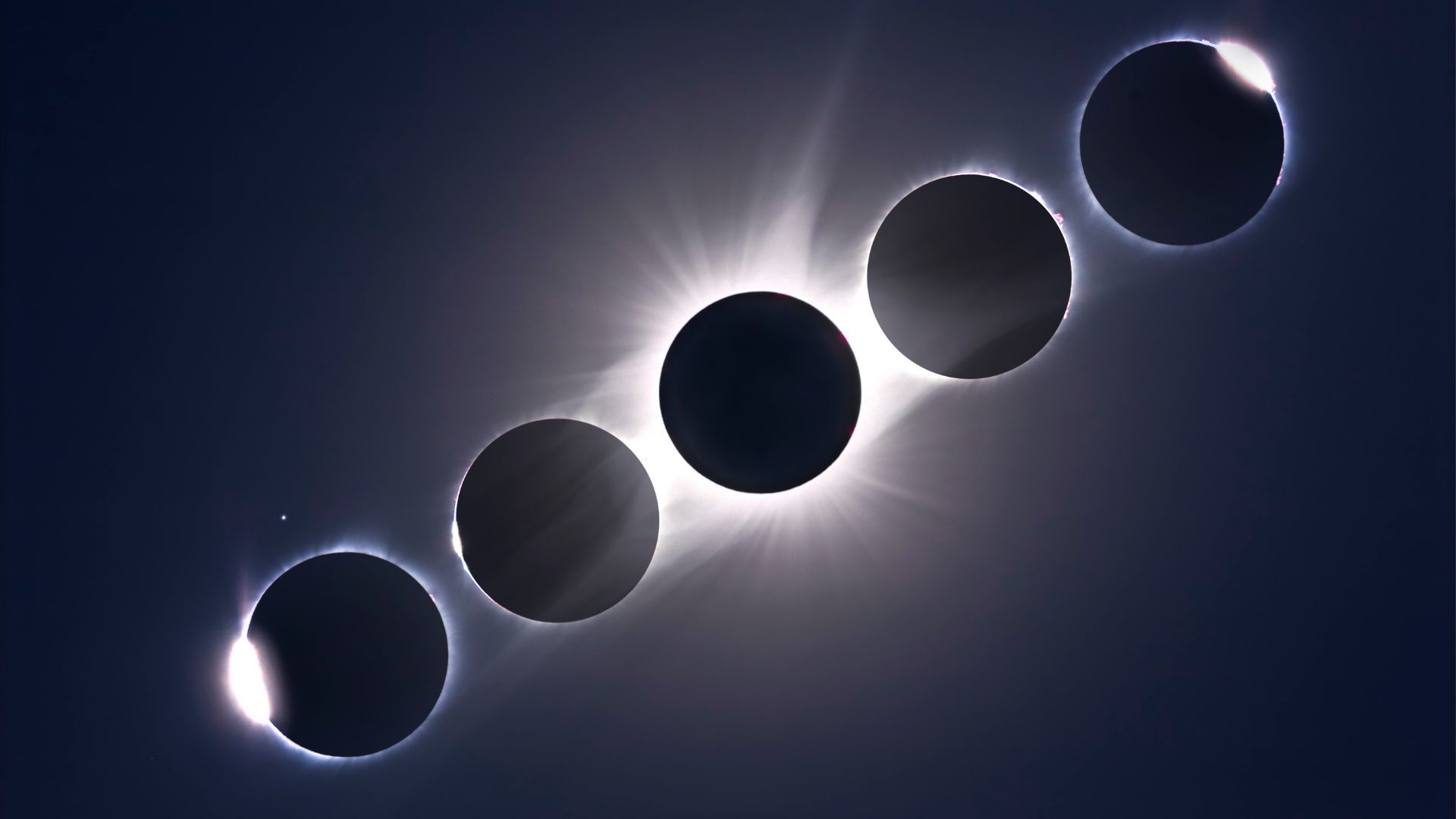
The risk extends to specialized equipment. Looking at the eclipse through binoculars, telescopes, or cameras without a certified solar filter is hazardous. As an alternative projection method during the partial eclipse, crescent shapes may appear through natural shadows from tree leaves, or observers can use household objects like a kitchen strainer or colander as a pinhole projector.
Worth a look
- How to Prevent Meltdowns When Leaving the Park: Expert Parenting Tips
- Galeto: The Historic Lisbon Snack-Bar Open for 60 Years
- Perseids Meteor Shower & Solar Eclipse: A Rare Celestial Double Feature (archyworldys.com)
- Partial Solar Eclipse Aug 12: Where and How to Watch in the U.S. and Canada (archynewsy.com)