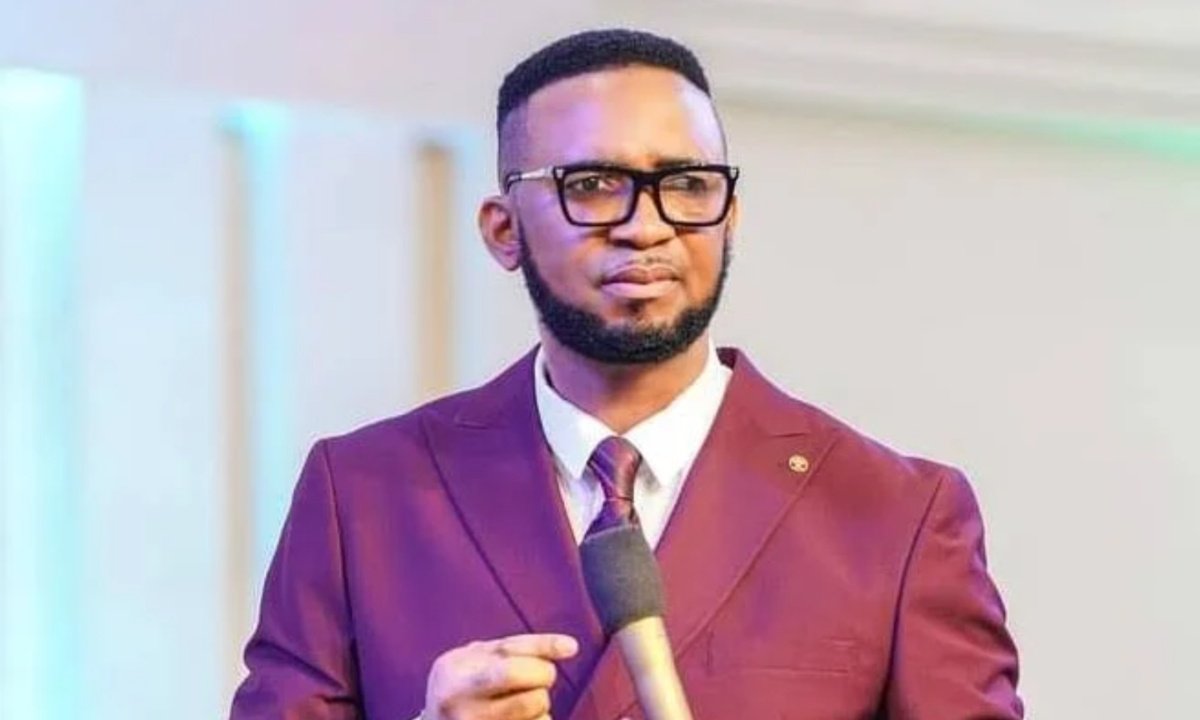
The public retraction of an apology is a curious phenomenon, often signaling a deeper complexity than initial appearances suggest. The recent case involving Nigerian pastor Chris Okafor and actress Doris Ogala exemplifies this pattern, unfolding publicly and raising questions about accountability, pressure, and the dynamics of power. What began with allegations of a long-term relationship and a public apology has devolved into a retraction, accusations of coercion, and the potential for legal battles. This situation highlights the messy reality of public accountability and the challenges of navigating reputation management in the age of social media.
The controversy ignited after a video circulated online featuring Pastor Okafor with a young woman, sparking a wave of public scrutiny. Actress Doris Ogala subsequently came forward with serious allegations, claiming an eight-year secret sexual relationship with the pastor, alleging promises of marriage, and detailing a painful separation. Ogala reportedly sought financial compensation, accusing Okafor of further misconduct. The situation quickly escalated, drawing significant attention within Nigeria and beyond. The core of the dispute centers on allegations of a relationship, a retracted apology, and conflicting narratives about the events that transpired.
The initial turning point came when Pastor Okafor publicly apologized to Ogala during a Sunday service, a gesture widely interpreted as an admission of wrongdoing or, at the very least, an attempt to mitigate damage to his reputation. However, this apparent attempt at reconciliation proved short-lived. Ogala continued to speak out, maintaining her accusations and keeping the story in the public eye. In a dramatic reversal, Okafor then withdrew his apology, claiming it was given under duress. This retraction is the crux of the current situation, raising questions about the sincerity of the initial apology and the motivations behind its withdrawal.
The Withdrawn Apology and Okafor’s Explanation
Pastor Okafor’s explanation for retracting his apology centers on external pressure. According to reports from multiple news outlets, including MSN, he stated that the apology was not entirely sincere and was offered to shield other religious leaders from being implicated in the controversy. He claimed that “fathers of faith” were being negatively affected by the public attention surrounding the allegations, and his apology was intended to protect them. This explanation suggests a prioritization of institutional reputation over personal accountability, a dynamic often observed in cases involving individuals in positions of power.
Adding another layer of complexity, Okafor reportedly used the term “Jezebel” to describe Ogala, a loaded term with historical and religious connotations that carries significant judgment. He too asserted that he had never met Ogala, a claim that directly contradicts her allegations of an eight-year relationship. This assertion, as reported by The Whistler Newspaper, raises serious questions about the consistency of his statements and the veracity of Ogala’s claims. Okafor has indicated his intention to pursue legal action to resolve the matter, signaling a shift from public apologies to a more formal legal process.
The Broader Implications of Retracted Apologies
The case of Chris Okafor and Doris Ogala is not isolated. Retracted apologies are becoming increasingly common, particularly in the age of social media where public figures are under constant scrutiny. Often, these reversals stem from a desire to protect institutional interests or to respond to pressure from supporters, rather than a genuine acceptance of responsibility. This pattern raises concerns about the sincerity of public apologies and the potential for manipulation. As noted in reports covering the case, apologies can be strategic maneuvers designed to quell public outrage, only to be abandoned when the initial pressure subsides.
The financial aspect of the situation also warrants attention. Okafor reportedly offered Ogala $10,000, which she deemed insufficient given the extent of her allegations. This raises questions about whether the payment was intended as genuine restitution or as a means of silencing her. The framing of such payments – as compensation, hush money, or a fine-faith effort – can vary significantly depending on perspective. The dynamics of power and financial incentives often play a crucial role in these situations, influencing both the initial apology and its subsequent retraction. The potential for financial settlements to influence the narrative is a recurring theme in public controversies.
Additional Layers to the Controversy
Beyond the central dispute between Okafor and Ogala, several other threads complicate the narrative. Reports indicate that Ogala’s allegations extend beyond the alleged relationship, encompassing claims of criminal and scandalous behavior. These claims, if substantiated, would warrant a formal investigation by law enforcement authorities. Okafor’s daughter, Amara, has reportedly indicated her intention to pursue legal action alleging assault and abuse, adding a deeply personal and potentially criminal dimension to the case. This introduces family dynamics and the possibility of separate legal proceedings, further complicating the situation. The involvement of Okafor’s family underscores the far-reaching consequences of the allegations.
The role of senior clergy and “fathers of faith” within Okafor’s religious community is also significant. Okafor’s stated motivation for the initial apology – protecting these figures from reputational damage – highlights the hierarchical structure and social pressures within religious organizations. This dynamic suggests that loyalty to the institution and its leaders may have taken precedence over a full acknowledgment of wrongdoing. The influence of religious leaders and the potential for groupthink can significantly shape responses to allegations of misconduct.
The situation remains fluid, with several potential outcomes. Legal action, either civil or criminal, is a likely possibility. Ongoing public debate and the mobilization of supporters on both sides are also anticipated. A private resolution, while possible, may not fully satisfy the public’s demand for clarity and accountability. The path forward will likely depend on whether either party seeks a definitive legal ruling or prefers to continue the dispute in the public sphere. The legal route, while potentially protracted, offers the clearest path to establishing factual certainty.
Key Takeaways
- Retracted apologies are increasingly common: Often driven by external pressure or a desire to protect institutional interests.
- Financial settlements complicate narratives: Payments can be interpreted as restitution, hush money, or a good-faith effort, depending on perspective.
- Power dynamics are central: The case highlights the influence of power imbalances in allegations of misconduct.
- Multiple layers of complexity: The involvement of family members and religious leaders adds further dimensions to the controversy.
the Okafor-Ogala case serves as a stark reminder of the complexities of public accountability. It underscores the challenges of navigating reputation management, the potential for manipulation, and the importance of seeking truth and justice in the face of conflicting narratives. The situation remains unresolved, and the pursuit of clarity will likely continue for some time. As of March 7, 2026, no formal legal proceedings have been initiated, and both parties continue to maintain their respective positions. Readers are encouraged to follow credible news sources for updates on this developing story.
Do you have thoughts on this case? Share your perspective in the comments below. And if you found this article informative, please share it with your network.
Worth a look