
For many patients, the journey through a modern healthcare system feels less like a guided path to recovery and more like a navigation exercise through a fragmented maze. The experience is familiar: a primary care physician refers a patient to a specialist, who then suggests a diagnostic test at a third facility, only for the patient to realize that none of these providers are communicating with one another in real-time. The burden of coordinating care—tracking appointments, carrying physical folders of test results, and repeating medical histories—often falls squarely on the shoulders of the person least equipped to manage it: the patient.
This systemic friction is not merely an inconvenience; it is a critical failure in the delivery of care. When the “hand-off” between medical professionals is flawed, the risk of medication errors, redundant testing, and delayed diagnoses increases. The gap in communication between doctor’s offices represents a significant hurdle in achieving truly patient-centered care, where the focus is on the holistic health of the individual rather than the isolated treatment of a single symptom.
Recent data highlights the scale of this disconnect. In surveys examining the patient experience, a significant portion of patients report a lack of clear points of contact to answer their questions or monitor the progress of their treatment. This absence of a “medical anchor” leaves patients feeling adrift, particularly those managing chronic conditions that require the synchronization of multiple specialists. As healthcare becomes more specialized, the “silo effect”—where providers operate in isolation—becomes a primary barrier to efficient healing.
The Anatomy of Healthcare Coordination Gaps
At the heart of the coordination crisis is the struggle for inter-professional communication. In an ideal scenario, a patient’s primary care provider acts as the “quarterback,” ensuring that every specialist is aligned on the treatment goal. However, in practice, this coordination often breaks down due to administrative hurdles, incompatible software systems, and a lack of standardized communication protocols.
The “silo effect” occurs when medical information is trapped within a single practice’s internal system. When a specialist receives a patient without a comprehensive, updated digital history, they are forced to rely on the patient’s memory or wait days for a faxed report. According to the Organisation for Economic Co-operation and Development (OECD), improving the integration of health services is essential for reducing waste and improving outcomes, yet many systems still struggle with basic data interoperability.

This fragmentation creates a “communication vacuum” where the patient is the only entity with a complete view of their own care. When 63 percent of patients in recent regional surveys report a lack of a clear contact person to guide them, it indicates that the system is designed around the convenience of the provider rather than the needs of the patient. Without a dedicated coordinator, the “patient journey” becomes a series of disconnected episodes rather than a continuous stream of care.
The Danger of the ‘Communication Vacuum’
The risks associated with poor coordination are not just administrative; they are clinical. Transitions of care—the movement of a patient from one setting to another, such as from a hospital to a primary care clinic—are the most dangerous points in a patient’s trajectory. Miscommunication during these hand-offs is a leading cause of preventable medical errors.
When a patient lacks a professional who is tracking the overall progress of their treatment, critical red flags can be missed. For example, a specialist might prescribe a medication that interacts poorly with a drug prescribed by a general practitioner, simply because the two physicians never exchanged a note. The World Health Organization (WHO) has consistently emphasized that patient safety is inextricably linked to the quality of communication among healthcare providers.
The Digital Promise and the Reality of EHRs
For decades, the Electronic Health Record (EHR) was promised as the ultimate solution to fragmentation. The theory was simple: if every doctor could access a single, shared digital file, the coordination gap would vanish. However, the reality has been more complex. Instead of a single shared record, the market produced a variety of proprietary systems that often cannot “talk” to one another.

In Germany, the introduction of the elektronische Patientenakte (ePA), or electronic patient record, represents a concerted effort to bridge this gap. The goal is to provide a centralized digital space where prescriptions, lab results, and discharge summaries are available to all authorized providers. According to the German Federal Ministry of Health, the ePA is designed to reduce redundant examinations and ensure that doctors have the necessary information to make safe, informed decisions.
Despite these technological advancements, the “human element” remains the missing link. A digital record is only useful if the provider has the time and the incentive to review it. The administrative burden on physicians—often spending hours on documentation—leaves little room for the proactive coordination required to ensure a patient is moving smoothly through their treatment plan. When 62 percent of patients feel that the progress of their treatment is not being actively monitored, it suggests that technology is being used as a filing cabinet rather than a coordination tool.
Barriers to Digital Integration
- Interoperability Failures: Different software vendors use different data standards, making it difficult to transfer a complete patient history without loss of detail.
- Privacy Concerns: Strict data protection laws, while essential, can sometimes create friction in the rapid sharing of urgent medical data between clinics.
- Workflow Resistance: Many practitioners find the transition to digital coordination cumbersome, preferring traditional (though slower) methods of communication.
- Patient Literacy: Not all patients are comfortable managing their own digital health records, which can further widen the gap for elderly or marginalized populations.
The Shift Toward Integrated Care Models
To combat these gaps, some healthcare systems are moving toward “Integrated Care” models. Unlike the traditional fragmented approach, integrated care organizes services around the patient’s needs. This often involves the creation of multidisciplinary teams where the GP, specialists, and social workers meet regularly to discuss complex cases.
One of the most effective interventions in this space is the introduction of the “Care Coordinator” or “Case Manager.” This professional does not necessarily provide clinical treatment but serves as the administrative and communicative bridge. They ensure that the patient has their appointments, that the specialist has the latest blood work, and that the patient understands the next steps in their journey. By filling the “contact person” void, these coordinators significantly reduce patient anxiety and improve adherence to treatment plans.
The impact of such models is particularly evident in the management of chronic diseases like diabetes or heart failure. When care is coordinated, patients experience fewer emergency room visits and better long-term health outcomes. The shift is moving from a “reactive” system—where the patient seeks help when a crisis occurs—to a “proactive” system, where the coordination team identifies potential hurdles before they become medical emergencies.
Comparing Care Models
| Feature | Traditional Fragmented Care | Integrated Care Model |
|---|---|---|
| Primary Point of Contact | Patient manages their own referrals | Dedicated Care Coordinator/Case Manager |
| Information Flow | Siloed; dependent on faxes/patient memory | Shared digital records and team huddles |
| Treatment Monitoring | Reactive (checked during appointments) | Proactive (continuous tracking of progress) |
| Patient Experience | High stress; feeling “lost in the system” | Guided; clear understanding of the journey |
What This Means for the Future of Patient Advocacy
As we look toward the future of healthcare, the definition of “quality care” is expanding. It is no longer enough for a surgeon to be technically brilliant or a pharmacist to be perfectly accurate; the system itself must be coherent. The coordination gap is a systemic pathology that requires a systemic cure.
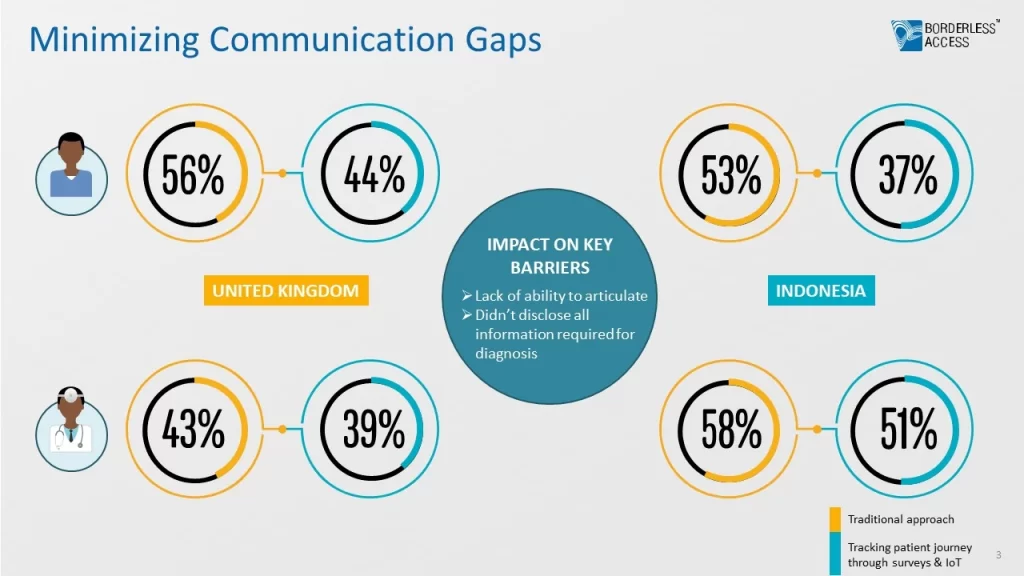
For patients, the immediate strategy is one of active advocacy. Until integrated systems become the norm, patients are encouraged to maintain their own “health passport”—a concise summary of current medications, recent diagnoses, and a list of all treating physicians. Asking a provider, “Who is the primary person coordinating my care?” can often force a conversation about the gaps in the system that might otherwise go unnoticed.
From a policy perspective, the focus must shift toward incentivizing coordination. Currently, most healthcare reimbursement models pay for “procedures” or “visits,” not for the time a doctor spends on the phone coordinating care with a colleague. By valuing the “invisible work” of coordination, health systems can encourage physicians to spend more time ensuring that the patient journey is seamless.
Key Takeaways for Patients and Providers
- The Coordination Gap: A significant number of patients feel they lack a clear point of contact and a cohesive plan for tracking treatment progress.
- Clinical Risks: Poor communication between providers increases the likelihood of medical errors and redundant testing.
- Digital Limitations: While EHRs and tools like the ePA are helpful, they cannot replace the human element of proactive case management.
- The Solution: Integrated care models and dedicated care coordinators are the most effective ways to bridge the gap between fragmented specialists.
The next major milestone in addressing these gaps will be the full-scale implementation and adoption of modernized digital health records across European borders, which aims to ensure that a patient’s medical history follows them regardless of the clinic or country they visit. As these systems evolve, the goal remains a healthcare experience where the patient is the center of the circle, rather than a messenger between disconnected points.
Do you feel the “coordination gap” in your own healthcare experience? Have you found a way to better manage your medical journey? Share your experiences in the comments below or share this article with others who may be navigating the medical maze.
Related reading