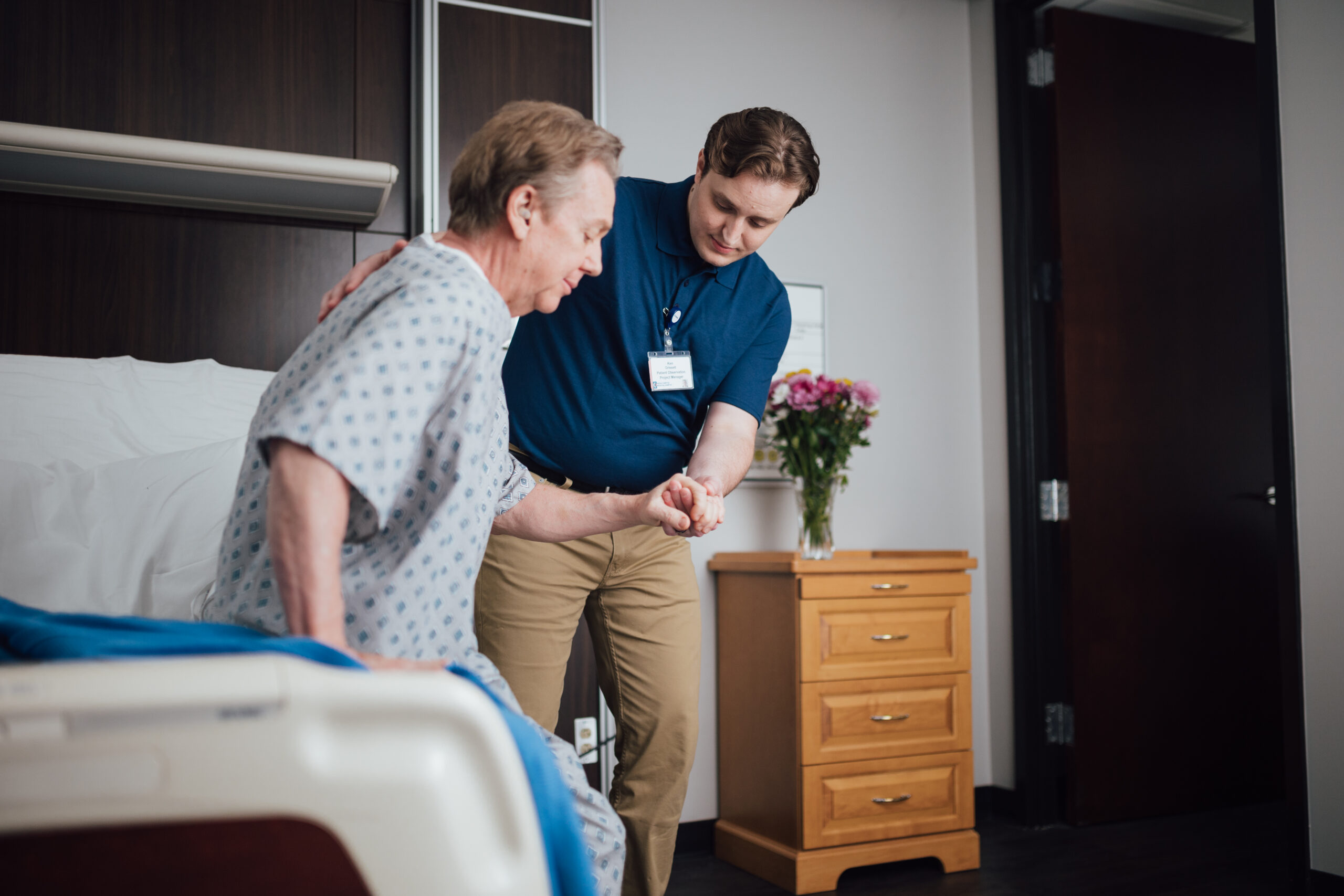
In the high-pressure environment of a modern hospital, there is a common misconception that the role of a patient observer—often referred to as a “sitter”—is a passive one. To the untrained eye, the task appears to be simply “watching” a patient to ensure they do not fall out of bed or pull out an intravenous line. However, from my perspective as a physician and journalist, this interpretation ignores the complex clinical intersection of risk management, behavioral health and workforce stability.
Patient observation programs are not about passive presence; they are proactive safety interventions. When executed with a structured, trained approach, these programs function as a critical layer of defense against adverse events. In an era where healthcare systems are grappling with unprecedented staffing shortages and a rising tide of workplace violence, the transition from “passive watching” to “active observation” is no longer a luxury—it is a clinical necessity.
The reality is that a trained observer is often the first person to detect the subtle, non-verbal cues of clinical deterioration or behavioral escalation. Whether it is the slight change in a patient’s respiratory pattern, a sudden increase in agitation due to hospital-induced delirium, or the early signs of a potential elopement, the observer serves as the eyes and ears of the clinical team. By identifying these risks before they escalate into crises, structured observation programs directly impact patient outcomes and the safety of the entire care team.
This shift in perspective is essential because the stakes are remarkably high. When observation is treated as a low-skill task, the risk of failure increases. Conversely, when it is treated as a specialized safety role—complete with rigorous training and real-time documentation—it allows the nursing staff to operate at the top of their license, focusing on complex medical interventions while knowing their high-risk patients are under professional surveillance.
The Myth of the Passive Role vs. The Reality of Active Surveillance
The primary myth surrounding patient observation is that it requires little more than a physical presence. In practice, effective observation is an active cognitive process. It requires a state of constant alertness and the ability to differentiate between baseline patient behavior and a developing emergency.
Active surveillance involves the recognition of subtle changes in speech, movement, and behavior. For instance, a patient with dementia may not explicitly state they are feeling distressed; instead, they may exhibit increased restlessness or repetitive motions. A trained observer recognizes these as precursors to potential agitation or a fall attempt. By intervening early—perhaps through redirection or by alerting the nursing staff—the observer prevents a “sentinel event,” which is an unexpected occurrence involving death or serious physical or psychological injury.
active observation includes the management of the patient’s immediate environment. This involves identifying behavioral or environmental risks—such as a misplaced bedside table or a tangled oxygen cord—that could lead to injury. This level of awareness transforms the observer from a bystander into a proactive member of the safety team, reducing the likelihood of falls and elopements that often plague medical-surgical and behavioral health units.
Addressing the Crisis of Workplace Violence in Healthcare
One of the most pressing reasons for the evolution of patient observation is the alarming rise in workplace violence within healthcare settings. The environment is often a volatile mix of acute illness, cognitive impairment, and high stress, which can lead to patient-on-staff aggression.
While exact figures vary by region and reporting method, the trend is clear: healthcare workers face a disproportionately high risk of assault. Some national data indicators suggest that the frequency of these incidents is staggering, with reports suggesting that nursing personnel are assaulted at a rate of multiple incidents every hour across U.S. Hospitals. This volatility underscores the need for observers who are not just “watching,” but are specifically trained in de-escalation techniques.
When observers are trained in Crisis Prevention Institute (CPI) protocols or similar de-escalation frameworks, they become a primary tool for maintaining a safe clinical environment. They are taught to identify the “stages of crisis” and use verbal and non-verbal strategies to lower the emotional intensity of a situation. This prevents the need for physical restraints or emergency security interventions, which can often traumatize the patient and increase the risk of injury to the staff.
By providing a dedicated presence, these programs reduce the “blind spots” in a hospital’s safety net. When a nurse is tied up with a complex dressing change or a medication titration in one room, a trained observer in another room ensures that a confused or agitated patient does not become a danger to themselves or others.
Operationalizing Safety: Training and Technology
To move away from the passive model, hospitals are increasingly adopting standardized, high-intensity training curricula for their observation teams. A passive sitter is an untrained employee; an active observer is a trained safety professional.
Modern structured models, such as those implemented by specialized healthcare service providers like Crothall Healthcare, emphasize a blended education approach. This often includes multi-day onboarding and scenario-based training that can total more than 80 hours of education annually. Such training typically covers a broad spectrum of critical competencies, including:
- Basic Life Support (BLS) and CPR: Ensuring the observer can initiate life-saving measures immediately until the clinical team arrives.
- Fall Risk Reduction: Understanding the mechanics of patient falls and how to proactively prevent them.
- Activities of Daily Living (ADL) Support: Assisting with bathing, feeding, and toileting, which reduces the patient’s urge to attempt unassisted movement.
- Gender Sensitivity and Play Therapy: Tailoring the observation approach to the specific needs of pediatric or diverse patient populations.
Beyond training, the integration of technology is replacing the outdated “paper log” system. Digital platforms now allow for real-time patient status updates—sometimes as frequently as every 15 minutes. These systems can automatically alert supervisors if an entry is missed, ensuring that “observation fatigue” does not lead to a lapse in safety.
When this data is integrated into the hospital’s communication workflow, nurse leaders receive escalation alerts in real time. This creates a transparent loop of accountability where the observer, the nurse, and the supervisor are all aligned on the patient’s current status. This level of oversight is essential for maintaining compliance with regulatory bodies such as the Centers for Medicare & Medicaid Services (CMS), the Joint Commission, and OSHA.
Combatting Nurse Burnout through “Top-of-License” Care
As a physician, I have seen firsthand how the burden of constant surveillance contributes to nurse burnout. When a registered nurse (RN) is required to act as a sitter for a high-risk patient, they are effectively removed from the clinical care of their other patients. This creates a dangerous ripple effect: other patients receive less frequent monitoring, and the nurse feels the frustration of being unable to perform the complex clinical tasks they were trained for.
The concept of “top-of-license care” refers to the practice of ensuring that healthcare professionals spend their time performing tasks that specifically require their unique level of education and licensure. An RN’s license is for clinical assessment, medication administration, and care coordination—not for sitting in a chair for eight hours to ensure a patient doesn’t climb over a bedrail.
Dedicated observation programs return thousands of nursing hours per year back to the bedside. By reallocating the duty of surveillance to a trained observer, the nurse is freed to focus on:
- Complex Medication Titration: Managing critical drips and monitoring hemodynamic stability.
- Comprehensive Patient Assessments: Detecting early signs of sepsis or organ failure.
- Care Coordination: Working with multidisciplinary teams to expedite discharge and improve patient flow.
- Patient and Family Education: Ensuring that patients understand their treatment plans to prevent readmission.
This reallocation does more than just improve efficiency; it improves morale. When nurses are allowed to practice as clinicians rather than guards, their engagement increases and the risk of burnout decreases. This stability is crucial for workforce retention in a global healthcare landscape where the nursing shortage is a systemic crisis.
Measurable Impacts on Patient Outcomes
The transition to structured observation is not merely a theoretical improvement; it produces measurable clinical results. Hospitals that move from ad-hoc sitting to standardized observation programs often report a significant decrease in fall-related injuries. Some programs have documented thousands of consecutive observation hours without a single fall-related injury, demonstrating the efficacy of a trained, attentive presence.
these programs can lead to a 5–10% reduction in overall observation utilization. This happens because trained observers can more accurately identify when a patient’s risk level has decreased, allowing the hospital to eliminate unnecessary coverage and allocate resources more efficiently. This operational stability reduces overtime costs and ensures that the most critical patients always have coverage, even during high-census periods or staffing transitions.
The impact also extends to patient satisfaction. A patient who feels monitored and supported—rather than “watched” or “trapped”—is more likely to cooperate with the care plan. Trained observers who use play therapy or gender-sensitive communication help reduce the anxiety and delirium associated with long hospital stays, leading to a more humane care experience.
Regulatory Alignment and Program Oversight
For hospital administrators, the primary challenge of any observation program is oversight. Without a standardized system, it is nearly impossible to verify if a patient was actually observed every minute of a shift. This creates significant legal and regulatory vulnerability.
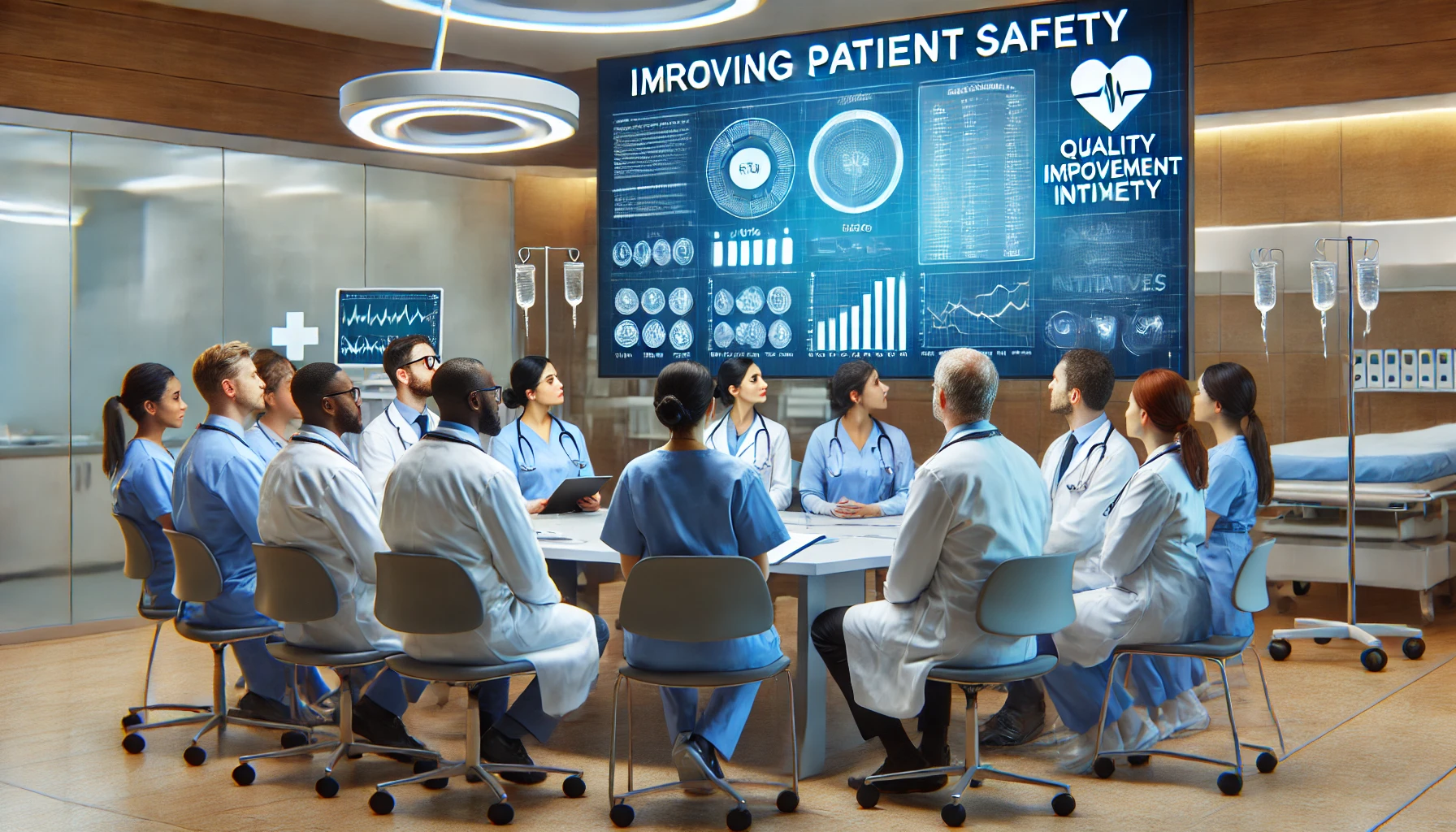
Structured programs mitigate this risk through rigorous documentation and semi-annual audits. By integrating observation logs into the Electronic Medical Record (EMR), hospitals create a legally defensible audit trail. This alignment is critical for meeting the standards of the Joint Commission and other accrediting bodies that prioritize patient safety and the prevention of “never events” (incidents that should never happen in a professional care setting).
Supervisory audits and “teachable moments” ensure that the quality of observation remains consistent. When a supervisor reviews a log and notices a pattern of delayed entries, they can provide immediate coaching. This continuous improvement loop ensures that the program does not slide back into a passive role over time.
The Future of Patient Safety Observation
Patient observation is evolving into a sophisticated discipline of risk mitigation. As we integrate more AI-driven monitoring and wearable technology, the role of the human observer will not disappear; rather, it will become more specialized. The human element—the ability to provide empathy, to de-escalate a frightened patient, and to notice a subtle change in mood—cannot be replaced by a camera or a sensor.
The goal for every healthcare facility should be to move away from the “sitter” mentality and toward a “safety observer” model. This requires an investment in training, a commitment to technology, and a fundamental understanding that safety is a proactive pursuit, not a passive state.
By empowering observers with the right skills and tools, we protect the most vulnerable patients and support the overextended nurses who are the backbone of our healthcare system. The “passive role” is a myth; the reality is a critical clinical function that saves lives and stabilizes the care environment.
Hospital leadership should continue to monitor updated safety guidelines from OSHA regarding workplace violence and the Centers for Medicare & Medicaid Services (CMS) regarding patient safety standards to ensure their programs remain compliant and effective.
Do you believe the role of the patient observer is undervalued in your facility? We invite you to share your experiences and insights in the comments below or share this article with your clinical leadership to start a conversation about active safety.
Keep reading
- UK Ramipril Supply Limit Extended Amid Pharmacist Calls for Substitutions
- New MIT Study Questions Keto Diet Safety and Cancer Claims
- Trump’s Aircraft Delivery Push Led to Higher Costs and Safety Trade-offs (newsdirectory3.com)
- Trump’s Luxury Air Force One: Rushed Retrofit Raises Safety and Cost Concerns (archynewsy.com)