In the heart of Germany’s industrial and commercial powerhouse, the demand for specialized technical expertise is reaching a critical peak. As urban centers in North Rhine-Westphalia continue to modernize their infrastructure, the intersection of physical security and digital integration has created a vital niche for skilled professionals. For those exploring dormakaba service technician careers in Germany, the current landscape offers a unique blend of traditional mechanical craftsmanship and cutting-edge electronic systems management.
The greater Düsseldorf and Cologne metropolitan areas, known for their dense concentration of corporate headquarters, retail hubs, and transport nodes, serve as the primary theater for this operational need. Companies specializing in access control and security solutions are no longer just installing locks. they are deploying complex ecosystems of automatic doors, electronic locking systems, and integrated security software that keep millions of people moving safely every day.
At the center of this movement is dormakaba, a global leader in access solutions. The company’s operational model relies heavily on a mobile, highly skilled workforce of service technicians who act as the primary point of contact between the manufacturer’s innovation and the client’s daily reality. These professionals ensure that the critical infrastructure of hospitals, airports, and office complexes remains functional, secure, and compliant with stringent European safety standards.
The Role of the Service Technician in Modern Access Control
A service technician in the access solutions sector operates as a hybrid of an engineer, a consultant, and a first responder. The core of the role involves the installation, maintenance, and repair of a wide array of hardware and software. This includes everything from heavy-duty automatic sliding doors and swing operators to high-security electronic cylinders and cloud-based access management systems.
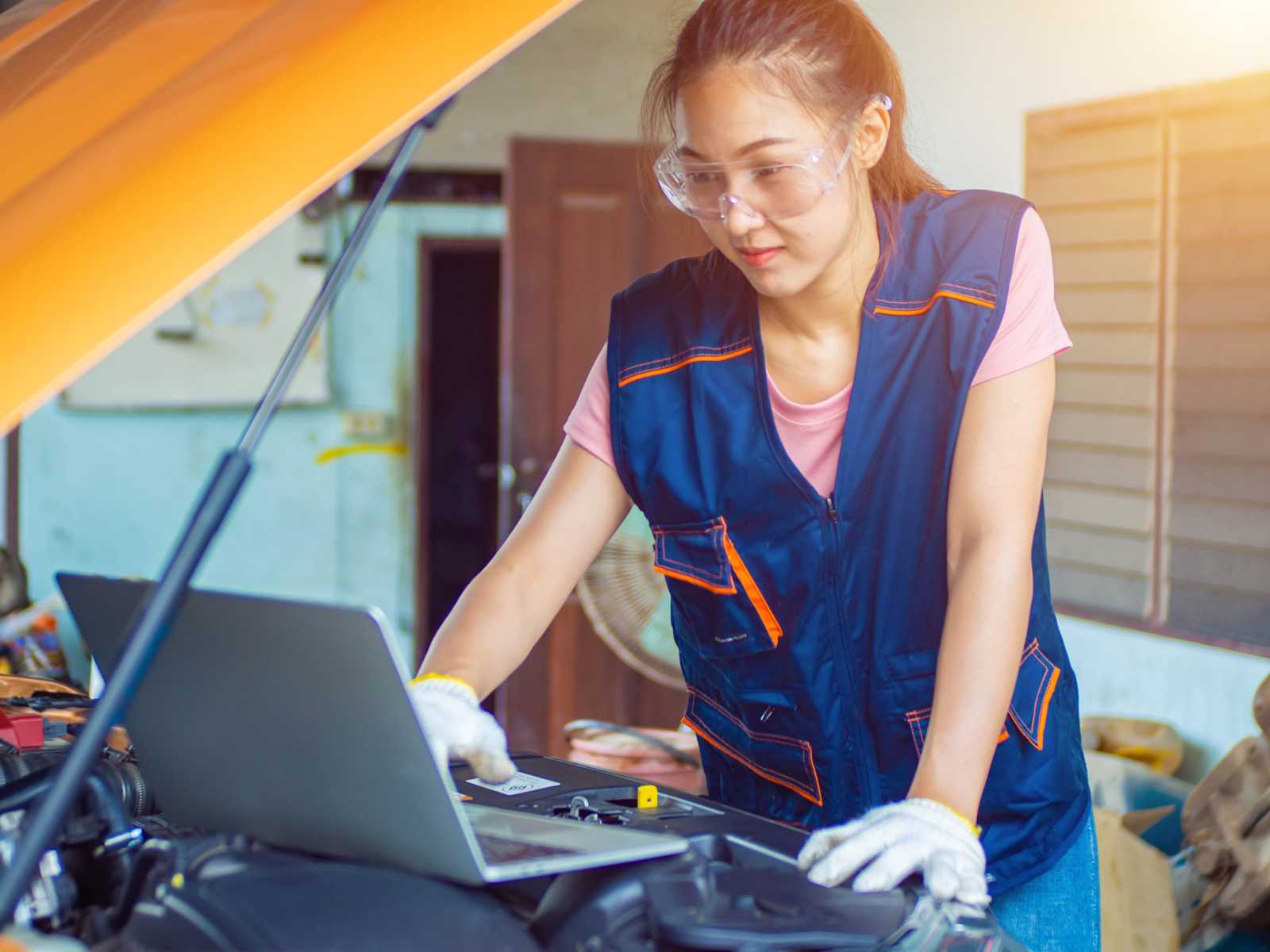
The daily workflow is characterized by variety. A technician may begin their morning performing a preventative maintenance check on a series of automatic doors at a Cologne transit hub and spend their afternoon diagnosing a software glitch in a corporate security system in Düsseldorf. This requires not only technical proficiency but also a high degree of autonomy and problem-solving capability in the field.
Beyond the mechanical aspects, the role is increasingly digital. Modern access solutions are integrated into the “Internet of Things” (IoT), meaning technicians must be comfortable navigating digital interfaces, updating firmware, and ensuring that physical hardware communicates seamlessly with central security servers. This evolution transforms the traditional “repairman” into a systems specialist who manages the flow of people through a built environment.
Regional Focus: The Düsseldorf and Cologne Corridor
The “Großraum” or greater area encompassing Düsseldorf and Cologne is one of the most economically active regions in Europe. This geographical focus is not accidental; the region’s high density of commercial real estate and public infrastructure creates a constant cycle of installation and maintenance needs.
For a technician, this region offers a diverse portfolio of work. The presence of international trade fairs in Düsseldorf and the massive logistical networks in Cologne means that service technicians often work with high-traffic environments where downtime is not an option. The pressure to maintain “uptime” for access points in these cities makes the role essential to the regional economy’s fluidity.
the logistical advantage of the Rhine-Ruhr area allows for a structured service network. Technicians typically operate from regional hubs, utilizing company vehicles to reach clients across a wide radius. This regionality requires a deep familiarity with the local infrastructure and a commitment to rapid response times to address emergency security breaches or hardware failures.
Qualifications and the German Technical Standard
Entering a technical role at a company like dormakaba typically requires a foundation in the German vocational training system, known as the Ausbildung. This dual-education system ensures that technicians possess both theoretical knowledge and practical, hands-on experience before entering the workforce.
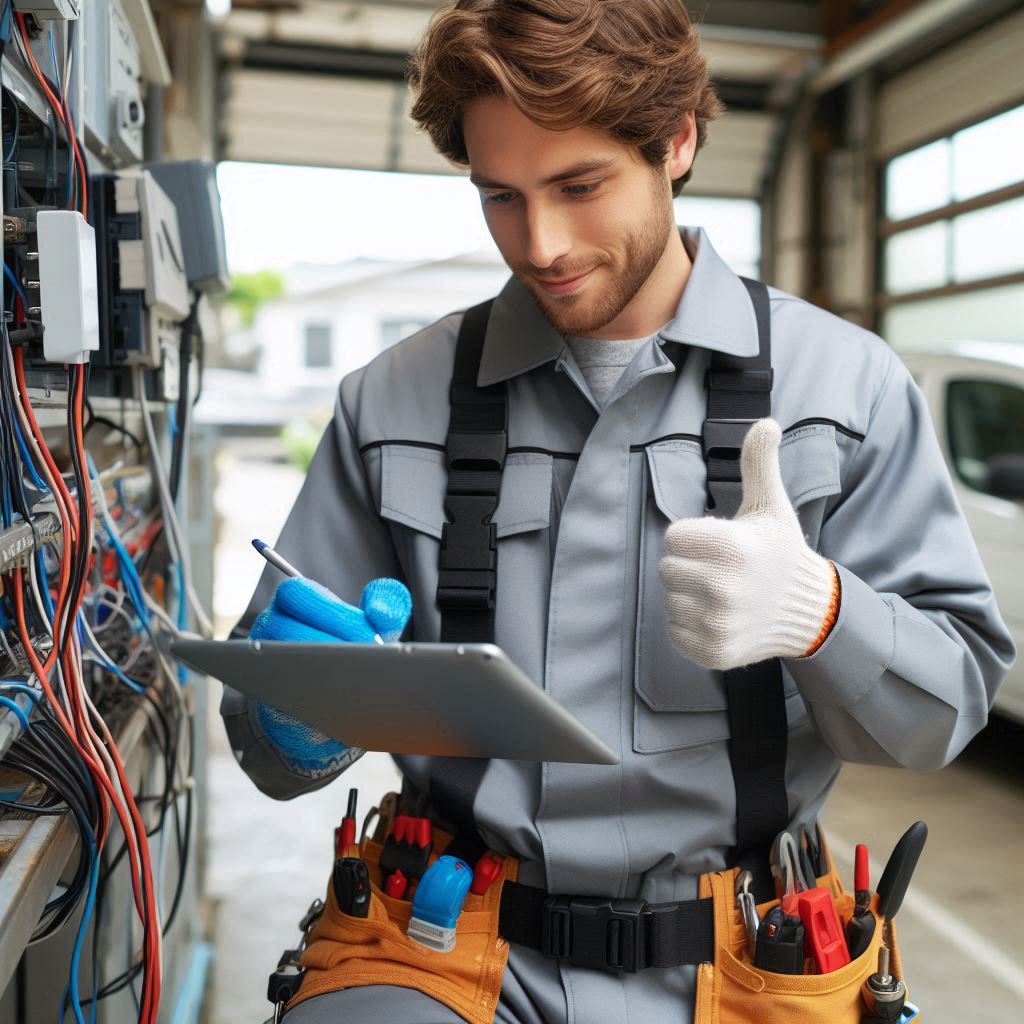
Ideal candidates generally hold certifications in fields such as:
- Mechatronics: Combining mechanical engineering, electronics, and computing.
- Electrical Engineering: Essential for the installation of powered door systems and electronic locks.
- Locksmithing or Metalworking: Providing the foundational knowledge of physical security and mechanical tolerances.
Beyond formal education, the role demands a specific set of “soft skills.” Because technicians enter private businesses and secure facilities, they must maintain a professional demeanor and excellent communication skills. They are often tasked with explaining complex technical failures to non-technical facility managers, making the ability to translate “tech-speak” into actionable business information a key performance indicator.
a valid driver’s license is a non-negotiable requirement for these positions, as the role is inherently mobile. The ability to manage a schedule independently and document work via digital reporting tools is also critical for maintaining the efficiency of the service fleet.
Addressing the Skilled Labor Shortage (Fachkräftemangel)
The push for more technicians in the Düsseldorf and Cologne regions is part of a broader national trend in Germany known as Fachkräftemangel, or the shortage of skilled workers. This gap is particularly acute in the “MINT” sectors (Mathematics, Informatics, Natural Sciences, and Technology). As the baby boomer generation retires, there is a pressing need for a new wave of technicians to take over the maintenance of the nation’s critical infrastructure.

To combat this, companies are increasingly offering more competitive packages, comprehensive training programs, and clearer paths for career advancement. For a service technician, this means the role is no longer just a job, but a career path that can lead to positions in project management, technical sales, or regional service leadership.
The shift toward “Smart Buildings” is further accelerating this demand. As buildings become more intelligent, the hardware—the doors, the locks, the gates—must be smarter. This creates a permanent need for technicians who can bridge the gap between the physical world of steel and glass and the digital world of code and connectivity.
Key Takeaways for Prospective Candidates
- Hybrid Skillset: Success in this role requires a mix of mechanical aptitude and digital literacy.
- Regional Demand: The Düsseldorf/Cologne area is a primary hub for access solution employment due to high commercial density.
- Certification Matters: A recognized vocational qualification (Ausbildung) in mechatronics or electronics is typically the primary entry requirement.
- Career Growth: The current labor shortage in Germany’s technical sectors provides significant leverage for skilled workers to negotiate better terms and advancement.
Navigating the Application Process
For those interested in pursuing a career as a service technician with a global leader in access solutions, the process typically begins through official corporate career portals. These platforms allow candidates to filter by region, such as North Rhine-Westphalia, to find specific openings in the Düsseldorf and Cologne areas.

When applying, candidates are encouraged to highlight not only their certifications but also their experience with specific types of hardware (e.g., automatic doors or electronic access systems). In the German market, providing a detailed Lebenslauf (CV) and copies of professional certifications is standard practice and essential for a successful application.
As the industry moves toward more sustainable and energy-efficient building solutions, technicians will also be expected to understand how access systems contribute to a building’s overall energy footprint—such as ensuring automatic doors are calibrated to minimize heat loss. This adds another layer of responsibility and value to the role.
The next major checkpoint for those monitoring the employment landscape in this sector will be the upcoming quarterly labor market reports from the Bundesagentur für Arbeit (Federal Employment Agency), which typically provide updated data on the demand for skilled technicians in the Rhine-Ruhr region.
Are you a technical professional looking to move into the security sector, or a business owner upgrading your facility’s access? We invite you to share your experiences and questions in the comments below.
Worth a look