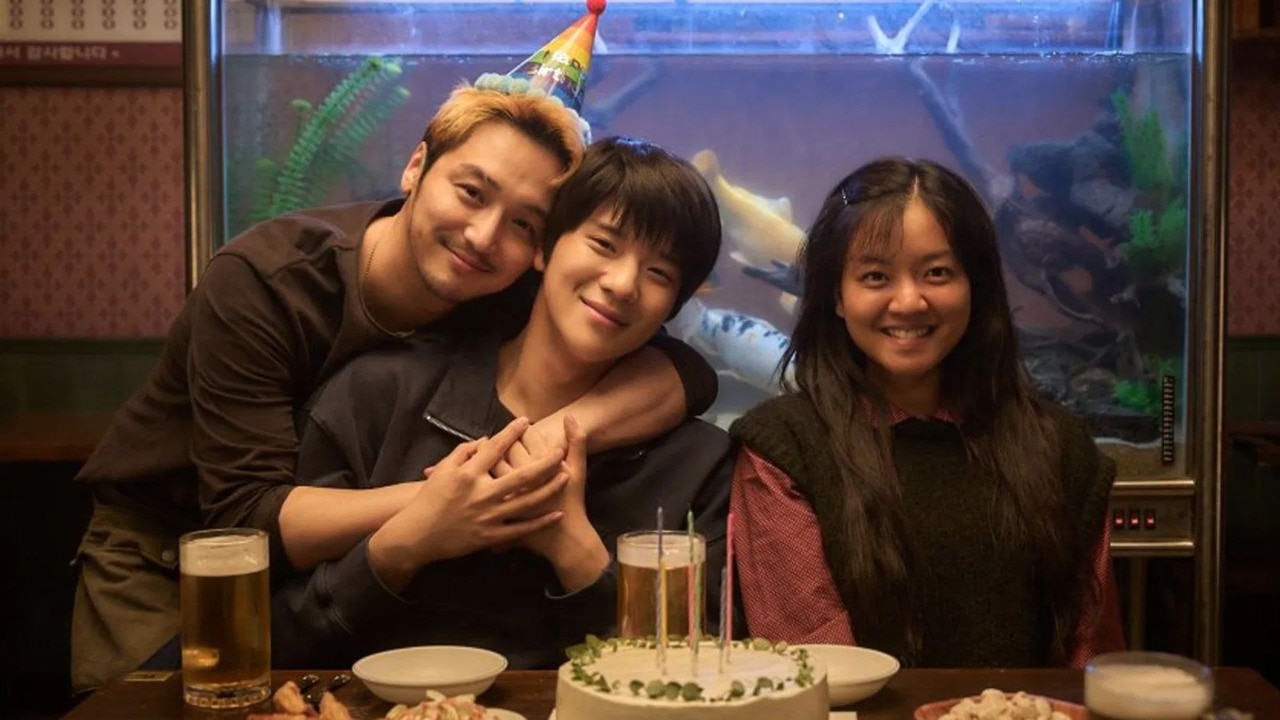
The allure of a gradual burn, a narrative unfolding with the deliberate grace of a pavane, is a compelling one. Netflix’s recent South Korean romantic drama, Pavane, released today, February 20, 2026, attempts to capture that essence. Directed by Lee Jong-pil, the film, based on Kim Min-gyu’s novel Pavane for a Dead Princess, promises a reflective exploration of connection and longing. However, while visually arresting and anchored by strong performances, Pavane ultimately struggles to fully ignite, leaving viewers with a sense of unrealized potential. The film stars Go Ah-sung, Byun Yo-han, and Moon Sang-min, and is available for streaming exclusively on Netflix.
Set against the backdrop of a Seoul department store, Pavane centers on three individuals navigating the quiet desperation of unfulfilled lives. Mi-jeong (Go Ah-sung) carries the weight of societal judgment, retreating into a shell after years of being overlooked. Kyung-rok (Moon Sang-min), a former dancer whose ambitions have been sidelined, now works a mundane job in the parking garage. Yo-han (Byun Yo-han) observes their tentative interactions with a detached, almost cynical, perspective. The film’s strength lies in its commitment to portraying the subtle nuances of human emotion, favoring lingering silences and unspoken gestures over grand declarations of love. This deliberate pacing, mirroring the stately rhythm of the pavane dance itself, is both the film’s most distinctive feature and its greatest challenge.
A Delicate Dance of Restraint and Inertia
Lee Jong-pil’s direction emphasizes a minimalist aesthetic, allowing the actors’ performances to grab center stage. The camera often lingers on their faces, capturing the subtle shifts in expression that reveal their inner turmoil. This approach is particularly effective in portraying Mi-jeong’s quiet resilience and Kyung-rok’s suppressed longing. Moon Sang-min delivers a particularly nuanced performance, conveying a sense of buried ambition and regret with remarkable subtlety. Go Ah-sung embodies Mi-jeong’s emotional core, her silences often speaking volumes. Byun Yo-han, while providing a grounded counterpoint, is given less opportunity to fully develop his character. The chemistry between the three actors is palpable, hinting at the intimacy and emotional depth the film could have achieved.
However, this commitment to restraint occasionally veers into stagnation. The film’s languid pace, while initially intriguing, begins to feel protracted, hindering the development of a compelling romantic arc. The connection between Mi-jeong and Kyung-rok, the central focus of the narrative, remains frustratingly tentative, lacking the spark needed to fully engage the audience. The film introduces heavier emotional turns – setbacks and fractures in their relationships – but the groundwork laid earlier feels insufficient to support their impact. The audience is asked to invest deeply in these characters, but the emotional architecture beneath the surface hasn’t been sufficiently reinforced.
Production and Background of Pavane
The film’s production began in May 2024, following initial casting announcements in April of the same year, according to reports from Edaily as cited by Wikipedia. Byun Yo-han was the first actor confirmed for the project, with Go Ah-sung and Moon Sang-min joining the cast shortly thereafter. Principal photography wrapped in August 2024. Pavane is a production of The Lamp and M Entertainment, and its distribution is being handled by Netflix. The film is based on the novel Pavane for a Dead Princess by Kim Min-gyu, a function that clearly influenced the film’s deliberate pacing and focus on subtle emotional shifts.
The choice to adapt Kim Min-gyu’s novel speaks to a growing trend in South Korean cinema of exploring complex emotional landscapes with a focus on character development. While action-packed thrillers and high-concept dramas often dominate the headlines, films like Pavane demonstrate a willingness to delve into the quieter, more introspective corners of the human experience. This approach aligns with a broader artistic sensibility that prioritizes atmosphere and nuance over spectacle. The film’s exploration of societal judgment and the search for connection in a modern urban environment also resonates with contemporary themes.
Performances and Technical Aspects
Beyond the central trio, the film benefits from strong cinematography by Kim Sung-an, who effectively captures the sterile beauty of the department store setting and the emotional isolation of the characters. The score, composed by Dalpalan, complements the film’s mood, enhancing the sense of melancholy and longing. The film’s visual style is understated yet elegant, mirroring the deliberate pacing of the narrative. The utilize of light and shadow is particularly effective in conveying the characters’ inner states.
Go Ah-sung’s portrayal of Mi-jeong is a standout performance. She embodies the character’s quiet strength and vulnerability with remarkable subtlety. Her ability to convey a range of emotions with minimal dialogue is a testament to her skill as an actress. Moon Sang-min’s performance as Kyung-rok is equally compelling, capturing the character’s sense of lost potential and quiet desperation. Byun Yo-han, while providing a solid performance, is somewhat underutilized, his character remaining largely enigmatic throughout the film. The interplay between the three actors is the film’s strongest asset, creating a sense of shared loneliness and tentative hope.
A Waltz Without a Crescendo
Pavane remains faithful to its title – stately, deliberate, and restrained. However, like a waltz performed without a rising score, it moves elegantly without ever quite lifting off the ground. The film possesses all the components of a deeply affecting romance – compelling characters, a nuanced script, and strong performances – but it lacks the emotional momentum needed to fully soar. While it offers moments of genuine beauty and insight, it ultimately feels like a missed opportunity. The film’s deliberate pacing, while initially intriguing, ultimately becomes its undoing, leaving viewers with a sense of unfulfilled potential.
The film’s exploration of loneliness and the search for connection is timely and relevant, particularly in an increasingly fragmented world. However, its reluctance to fully embrace emotional catharsis may leave some viewers feeling unsatisfied. Pavane is a film that rewards patience, but it demands a significant investment of emotional energy without offering a commensurate return. It’s a beautifully crafted film, but one that ultimately feels more like a sketch than a fully realized masterpiece.
As Pavane begins streaming on Netflix, audiences can anticipate a visually stunning and emotionally resonant, albeit subdued, cinematic experience. The film’s success will likely depend on its ability to connect with viewers who appreciate a slower, more contemplative pace. The film’s reception will be closely watched by industry observers, as it represents a departure from the more commercially driven trends in South Korean cinema.
The next major release from Lee Jong-pil is currently unconfirmed, but industry sources suggest he is already in pre-production on a new project. Further updates on his future work are expected in the coming months.
What are your thoughts on Pavane? Share your opinions in the comments below, and be sure to share this article with your friends and colleagues.
Keep reading