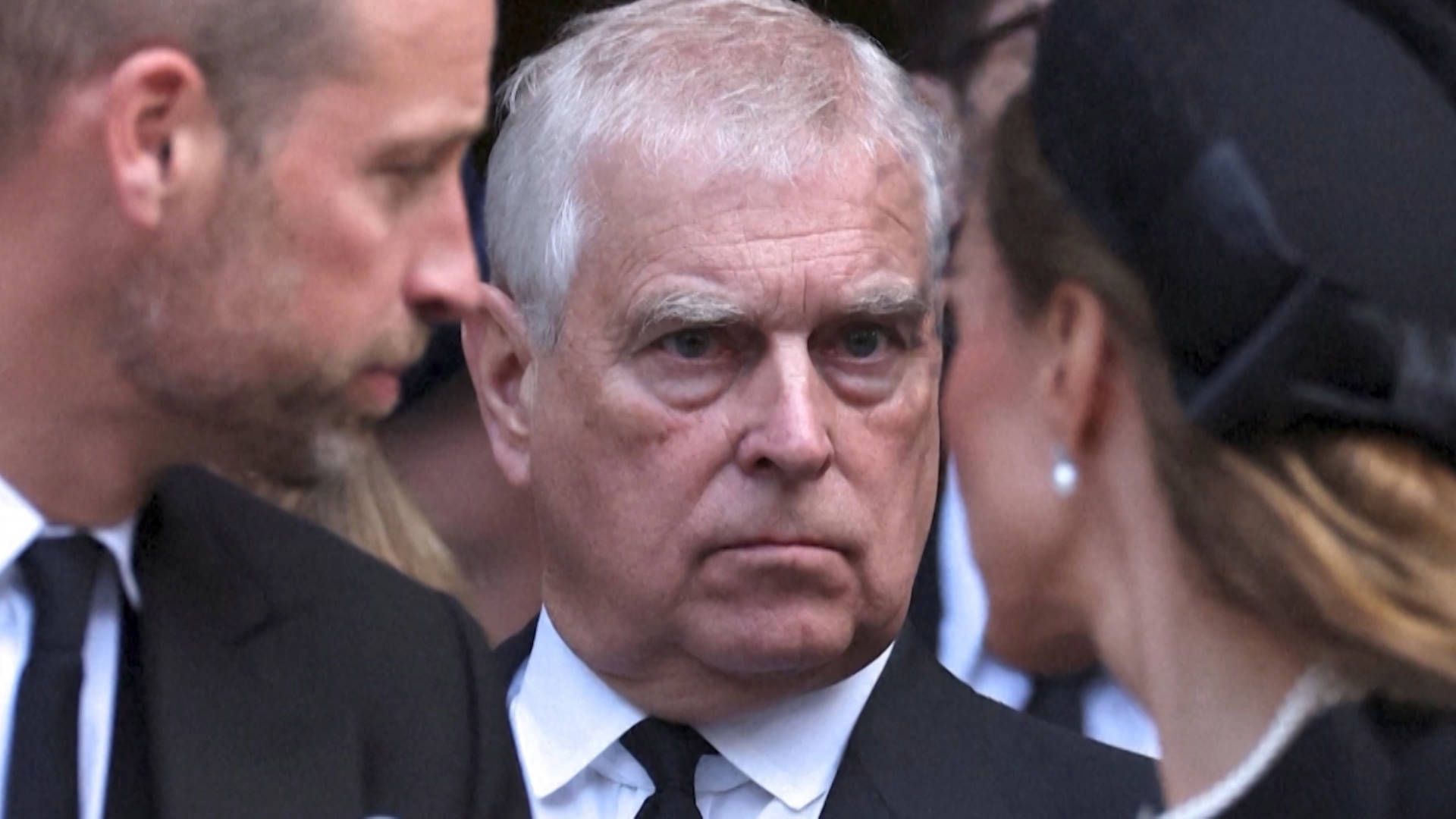
London, United Kingdom – Former Prince Andrew, the Duke of York, was arrested on February 19, 2026, sparking a modern wave of scrutiny on the British royal family and intensifying the fallout from allegations linked to the late Jeffrey Epstein. The arrest, confirmed by multiple news outlets, centers on suspicions of misconduct in public office, specifically regarding the sharing of confidential material with Epstein. This development comes months after King Charles III stripped his brother of his royal titles and removed him from public duties in November, a direct response to the ongoing controversy surrounding Andrew’s association with the convicted sex offender.
The arrest occurred on what would have been Prince Andrew’s 66th birthday, adding a particularly poignant dimension to the unfolding events. Authorities are investigating claims that Andrew shared official trip reports from trade missions to Singapore, Vietnam, and China with Epstein shortly after receiving them. The nature of the confidential information and the potential motivations behind its disclosure are now central to the police investigation. The case raises serious questions about the conduct of a former high-ranking official and the potential compromise of sensitive government information. The investigation is being closely watched both within the United Kingdom and internationally, given the high profile of those involved and the gravity of the allegations.
The arrest follows the release of numerous documents related to Epstein’s activities, which have implicated a wide range of prominent individuals. Whereas the focus of the current investigation is on potential misconduct in public office, it is inextricably linked to the broader allegations of sexual abuse and exploitation associated with Epstein. The situation presents a significant challenge for the monarchy, already navigating a period of public scrutiny and evolving public expectations. The King’s decision to remove Prince Andrew from royal duties was seen as a necessary step to protect the reputation of the institution, but the arrest underscores the depth and complexity of the issues at hand.
The Arrest and Allegations of Misconduct
According to reports, Prince Andrew, now referred to as Andrew Mountbatten-Windsor, was taken into custody by police and questioned regarding the alleged disclosure of confidential information. Details surrounding the arrest remain limited, but authorities have confirmed that the investigation is focused on whether Andrew knowingly breached his responsibilities while serving as the UK’s trade envoy between 2001 and 2011. The specific nature of the information shared and its potential impact are key areas of inquiry. The legal definition of misconduct in public office, as explained by the BBC, involves an allegation that an individual abused their position of trust and acted wrongly, knowing their actions were improper. The New York Times provides live updates on the situation.
The investigation bears similarities to a previous case involving Peter Mandelson, a former British politician, who was also accused of sharing confidential information with Epstein. As noted by Michael Walker, a contributing editor at Novara Media, both cases involve powerful individuals allegedly using their influence to provide Epstein with access to sensitive information. The potential motivations behind these actions, including possible quid pro quo arrangements, are also under scrutiny. The allegations against Andrew center on the forwarding of official trip reports, raising concerns about the compromise of trade secrets and the potential for undue influence.
King Charles’ Response and the Royal Family’s Crisis
The arrest of Prince Andrew represents a significant escalation of the crisis facing the British royal family. King Charles’ decision to remove his brother from royal duties in November was widely seen as an attempt to distance the monarchy from the Epstein scandal. However, the ongoing investigation and the subsequent arrest demonstrate that the issue is far from resolved. NBC News reports that the King’s statement underscores the gravity of the situation for the monarchy.
The allegations against Prince Andrew have prompted widespread public criticism and calls for greater transparency within the royal family. The monarchy’s response to the crisis will be closely watched, as it could have significant implications for its future standing and legitimacy. The situation also raises broader questions about the relationship between power, privilege, and accountability. The arrest serves as a stark reminder of the potential for abuse of authority and the importance of upholding ethical standards in public life.
Legal Framework and Potential Charges
The charge of misconduct in public office is a complex legal offense, requiring prosecutors to demonstrate that Andrew knowingly acted wrongly while performing his duties as a public official. The BBC reports that four key elements must be investigated to determine whether the threshold for a conviction has been met. These elements typically involve demonstrating a breach of trust, an abuse of power, and an intention to cause harm or achieve an improper benefit. The investigation will likely focus on whether Andrew understood the sensitivity of the information he shared with Epstein and whether he acted with the intent to facilitate any unlawful activity.
The fact that Andrew was taken into custody for questioning, rather than being invited for a voluntary interview, suggests that authorities believe they have sufficient evidence to warrant a more formal investigation. This approach indicates a level of seriousness and a desire to obtain a candid account of events. The legal process is likely to be protracted and complex, involving extensive evidence gathering and potentially lengthy court proceedings. The outcome of the investigation could have far-reaching consequences for both Prince Andrew and the British monarchy.
The Epstein Scandal and its Global Reach
The arrest of Prince Andrew is just the latest development in the ongoing fallout from the Jeffrey Epstein scandal. Epstein, a wealthy financier, was accused of sexually abusing and trafficking numerous young women over several decades. His death in a New York jail in 2019 sparked renewed scrutiny of his associates and the extent of his network. The scandal has implicated individuals in various fields, including politics, business, and entertainment, and has led to calls for greater accountability and systemic change.
The Epstein case has also highlighted the challenges of investigating and prosecuting crimes involving powerful and well-connected individuals. The complexity of the case, the international scope of the network, and the potential for obstruction of justice have all posed significant obstacles to investigators. The arrest of Prince Andrew represents a significant step forward in the pursuit of justice, but it is likely to be just one piece of a much larger puzzle. The full extent of Epstein’s crimes and the involvement of his associates may never be fully known.
As reported by CNN, Andrew Mountbatten-Windsor was arrested on February 19, 2026. CNN provides further details on the arrest.
Key Takeaways
- Prince Andrew has been arrested on suspicion of misconduct in public office related to sharing confidential information with Jeffrey Epstein.
- The arrest follows King Charles’ decision to strip Andrew of his royal titles over his association with Epstein.
- The investigation centers on whether Andrew knowingly breached his responsibilities as the UK’s trade envoy.
- The case highlights the ongoing fallout from the Epstein scandal and its implications for the British monarchy.
- The legal process is expected to be complex and protracted, with potentially significant consequences.
The investigation is ongoing, and further developments are expected in the coming weeks and months. Authorities have not yet announced a timeline for potential charges or a trial. The public will be closely following the case, as it has the potential to reshape the relationship between the monarchy and the public. The next confirmed checkpoint will be the outcome of the initial police investigation and any subsequent charging decisions.
We encourage readers to share their thoughts and perspectives on this developing story in the comments below. Your engagement and insights are valued as we continue to follow this important news event.
Worth a look
- Woman’s Animal Costume Dance at Gentse Feesten Leads to Huge Surprise from Partner
- Why Iran’s Regime Survives: The Doctrine of Clerical Rule and Repression
- The Odyssey Holds Top US Box Office Spot With $640 Million Globally (archyworldys.com)
- South Africa’s Public Investment Corporation Faces Governance Crisis Amid CEO Suspension (time.news)