NCAA eligibility Under Fire: How Recent Cases are Challenging Collage Sports’ Governing Body
The NCAA’s grip on athlete eligibility is facing unprecedented scrutiny. A wave of lawsuits,fueled by seemingly inconsistent rulings and a growing demand for athlete rights,is forcing a re-evaluation of long-held principles. Recent events, including the case of Baylor basketball signee Miro Nnaji, are spotlighting what manny see as hypocrisy within the NCAA’s system.
The Nnaji Case: A flashpoint for Controversy
Baylor’s announcement of Miro Nnaji’s commitment on Christmas Eve ignited a fresh debate. Nnaji, a 21-year-old European professional with four years of pro experience and having been drafted by an NBA team, was granted four years of eligibility. This sparked outrage from legal teams challenging the NCAA’s rules.
Attorney Ryan Downton, representing athletes in an antitrust lawsuit against the NCAA, seized on the situation. He argued in a Tennessee federal court filing that the NCAA’s decision highlights a clear double standard.Downton’s memo, referencing Clement Clarke Moore’s “A Visit from St. Nicholas,” pointedly questioned the logic of granting extensive eligibility to a seasoned professional while restricting opportunities for other athletes.
The Core of the Legal Challenge: The Pavia Case & Beyond
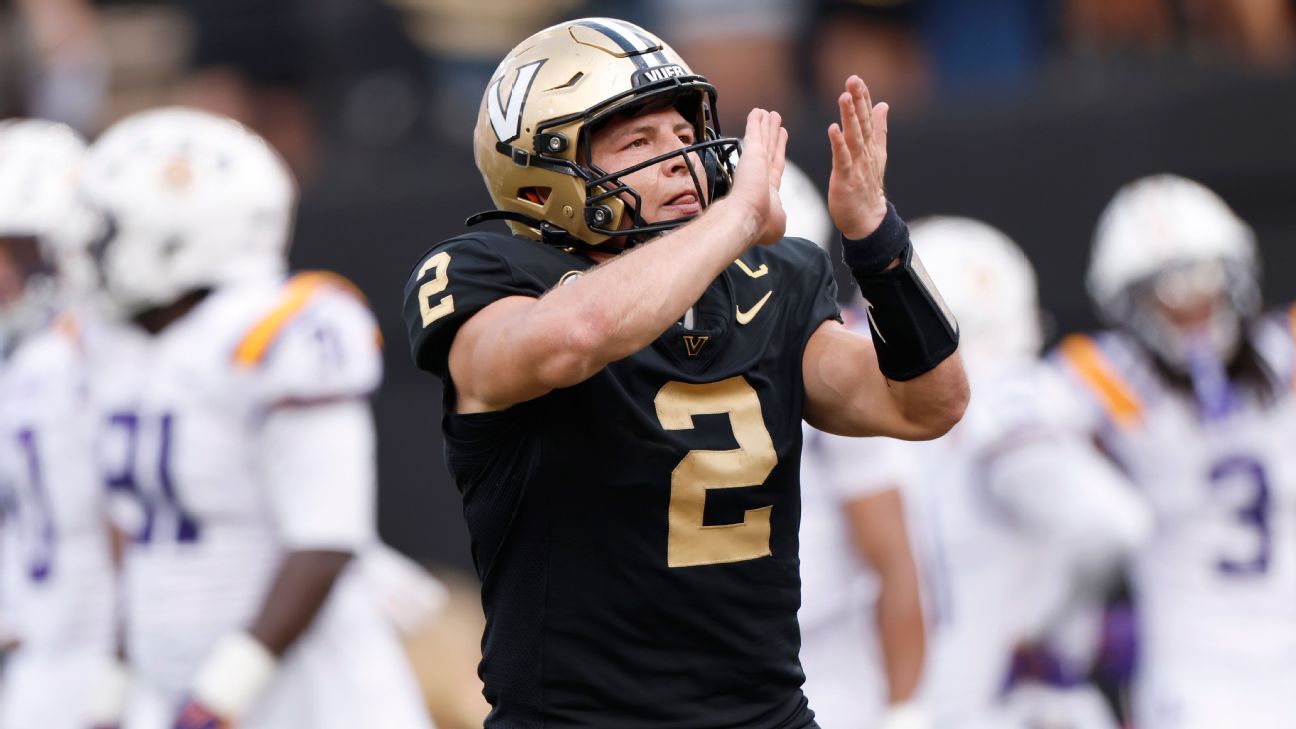
This isn’t an isolated incident. The legal battle stems from a broader antitrust lawsuit initially filed by Vanderbilt quarterback Diego Pavia in November 2024. Pavia secured a preliminary injunction allowing him to play this season, leading the Commodores to a historic No. 13 ranking and a ReliaQuest Bowl appearance against Iowa.
Here’s a breakdown of Pavia’s unique situation:
* 2020: Began playing at New Mexico Military Institute (NCAA didn’t count due to COVID-19).
* 2021: Led the junior college to a national championship.
* 2022-2023: Played at New Mexico State.
* 2024: Transferred to Vanderbilt – his sixth year of college football, but only his fourth at the Division I level.
The NCAA’s eligibility clock counts any “collegiate institution,” even those not fully NCAA members, towards an athlete’s five years to play four seasons.This rule, critics argue, unfairly penalizes athletes who utilize junior college or other non-Division I pathways.
A Growing list of Plaintiffs
Pavia’s lawsuit has gained momentum,now representing 26 other athletes. Notable additions include Tennessee quarterback Joey Aguilar.This expanding coalition signals a widespread dissatisfaction with the NCAA’s current eligibility framework.
The Redshirt Rule Under Scrutiny
Downton is also involved in a separate lawsuit challenging the NCAA’s redshirt rule. Vanderbilt linebacker Langston Patterson is a lead plaintiff in this case,seeking an injunction to play in the 2026 season. This lawsuit further demonstrates the multifaceted nature of the challenges facing the NCAA.
what does This Mean for You?
If you’re an athlete, a coach, or simply a fan of college sports, these developments have meaningful implications.
* Increased Athlete Mobility: These lawsuits could lead to greater freedom for athletes to transfer and utilize their eligibility without facing undue restrictions.
* Potential for a More Equitable System: A successful challenge to the NCAA’s rules could create a more level playing field, allowing athletes with diverse backgrounds and pathways to compete.
* Ongoing Uncertainty: the legal battles are far from over, and the future of NCAA eligibility remains uncertain.
The NCAA’s Response & Future Outlook
The NCAA is currently facing multiple eligibility lawsuits,signaling a pivotal moment for the organization. As these cases progress, the NCAA will need to address the concerns raised by athletes and legal experts. The outcome of these legal battles will undoubtedly shape the landscape of college athletics for years to come.
Ultimately, the question is whether the NCAA will adapt to a changing habitat or continue to defend a system increasingly viewed as outdated and unfair. The coming months will be crucial in determining the future of college athlete eligibility.
Disclaimer: I am an AI chatbot and cannot provide legal advice.This article is for informational purposes only.