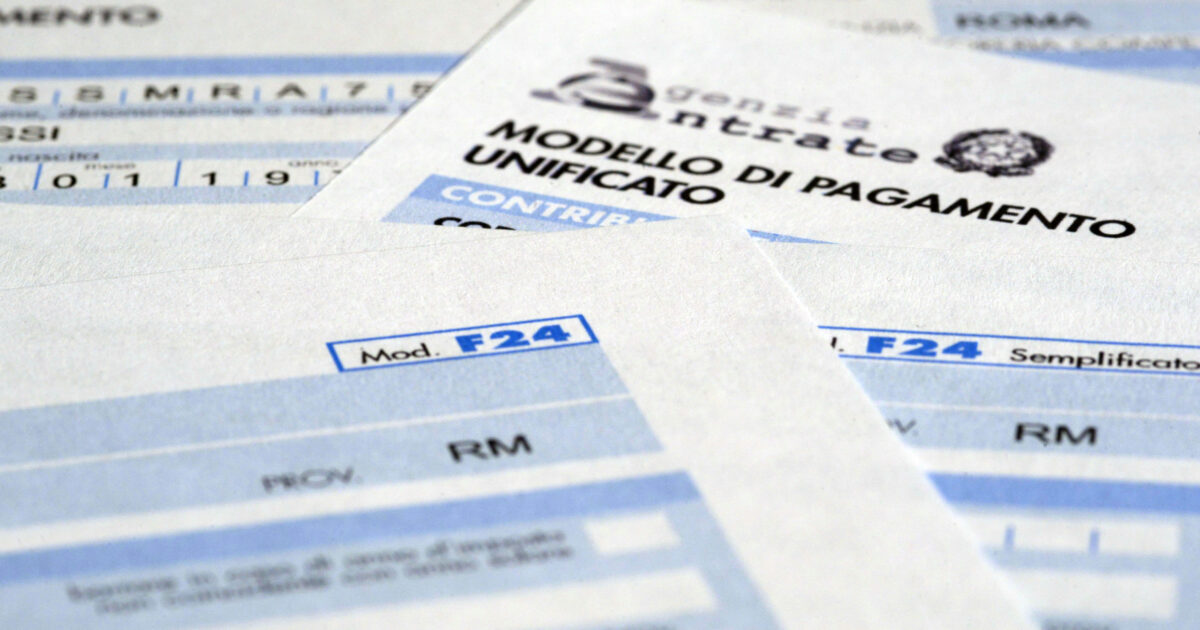
Italian taxpayers can now settle their F24 tax forms through an automated direct debit process, a system designed to mirror the convenience of routine utility bill payments. This digital integration, managed through the Agenzia delle Entrate (Revenue Agency), allows for the automatic withdrawal of tax liabilities from a current account, provided the taxpayer has authorized the mandate via their banking institution or the official tax portal.
While the transition to automated tax payments aims to reduce the risk of missed deadlines and administrative penalties, financial analysts suggest that users should remain vigilant regarding banking costs and account liquidity. The shift marks a broader push by Italian authorities to modernize fiscal compliance, moving away from manual bank branch visits or manual online banking entries.
How Automated F24 Payments Function
The F24 form is the standard instrument for paying most taxes, contributions, and premiums in Italy. Historically, this required the taxpayer to manually input codes and amounts for each recurring deadline. The new automated system, often referred to as “addebito diretto,” functions through the SEPA (Single Euro Payments Area) Direct Debit scheme. According to the Agenzia delle Entrate, taxpayers can initiate this by linking their IBAN to their tax profile, ensuring that funds are pulled on the specified due date.

This process is particularly relevant for recurring tax obligations, such as IMU (municipal property tax) or periodic VAT filings. By enabling automatic withdrawal, the taxpayer effectively delegates the scheduling to the banking system. However, the responsibility for ensuring sufficient funds remains with the account holder; a failed transaction due to an empty account can result in late payment surcharges and interest, a risk highlighted by consumer advocates monitoring the transition to digital-first banking.
Evaluating the Hidden Costs of Direct Debits
While the service itself is often marketed as a convenience, users must consider the potential for “hidden” banking fees. Many Italian financial institutions charge a commission for the execution of automated direct debit mandates, or “Mandati SDD” (SEPA Direct Debit). Depending on the specific service package held by the consumer, these costs can accumulate over the course of a fiscal year.

Data from consumer banking aggregators indicates that while some digital-only banks offer free SEPA mandates, traditional credit institutions may apply a fee per transaction. Taxpayers are encouraged to review their “Foglio Informativo” (Information Sheet) provided by their bank to determine if their specific account incurs a charge for each automated F24 payment. Comparing the convenience of automation against the potential for recurring transaction fees is a necessary step for budget-conscious households and small business owners.
Security and Oversight in Digital Tax Compliance
The integration of automated tax payments is overseen by the Italian Ministry of Economy and Finance, which enforces strict security protocols for electronic transactions. According to official guidelines, the authorization for an automated withdrawal is revocable, meaning taxpayers retain control over the mandate and can cancel or modify it through their home banking interface or the Revenue Agency’s digital portal at any time.

The system utilizes the SPID (Public Digital Identity System) or CIE (Electronic Identity Card) for authentication, ensuring that only verified taxpayers can set up these recurring payments. This layer of security is designed to prevent unauthorized access to bank accounts. For those concerned about potential errors in calculation, the system typically requires a final confirmation before the actual withdrawal, allowing taxpayers to verify the amounts before the funds leave their account.
Next Steps for Taxpayers
Taxpayers interested in transitioning to automated F24 payments should first consult their bank to confirm that their specific account type supports the direct debiting of tax liabilities. The next major reporting and payment cycles, as determined by the Ministero dell’Economia e delle Finanze, will serve as the primary test for the system’s efficiency.

Those who choose to opt into the system should ensure that their contact information, particularly their email address, is updated within the Revenue Agency’s digital portal. Notifications regarding upcoming withdrawals are generally sent in advance, providing a window for the taxpayer to intervene if the calculated amount appears incorrect or if the account balance requires adjustment. As the fiscal year progresses, further updates regarding the automation of additional tax categories are expected to be published on the official government portals.
Readers are encouraged to verify their specific tax obligations with a certified accountant and to monitor the official communications from the Agenzia delle Entrate for any changes to payment deadlines or procedural requirements. If you have experience with this automated system, feel free to share your thoughts in the comments section below.
Related reading